Big Beefsteak Tomatoes in Pots: A Complete Container Growing Guide
-

- Published Updated
- 1,629 views
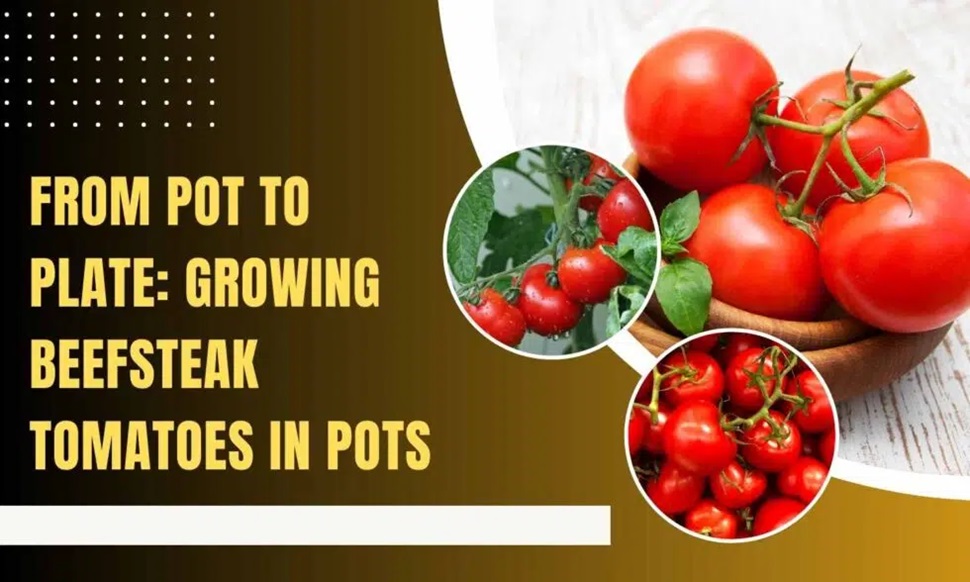
Growing beefsteak tomatoes in pots is a practical way to produce large, flavorful fruit on balconies, patios, or small yards where garden beds are limited. Container gardening for beefsteaks requires attention to container size, quality potting mix, regular watering, and support for the heavy vines and fruits.
- Choose indeterminate beefsteak varieties for continuous harvest or compact determinates for smaller containers.
- Use at least a 15–20 gallon container with drainage and a high-quality potting mix.
- Provide full sun (6–8+ hours), consistent moisture, regular feeding, and sturdy support.
- Monitor for pests and diseases; follow local Cooperative Extension recommendations for management.
Growing beefsteak tomatoes in pots: Varieties and container choices
Variety selection
Beefsteak tomatoes are known for large, meaty fruit. Many beefsteak types are indeterminate (vining), which continue producing through the season and need tall supports. For small spaces, seek compact or patio-specific beefsteak cultivars labeled as suitable for containers. Check seed and plant descriptors for words like "compact," "bush," or "patio" if a smaller plant habit is needed.
Container size and material
Large containers reduce stress from heat and drying. A 15–20 gallon (57–76 L) container or larger is recommended for standard beefsteak types. For two plants, consider separate containers rather than crowding. Use pots with drainage holes; materials such as plastic, glazed ceramic, wood, or fabric grow bags can work. Fabric pots offer better aeration but may dry faster.
Soil, water, and nutrients
Potting mix
Use a high-quality, well-draining potting mix formulated for containers. Avoid using garden soil alone; it compacts and limits root oxygen. A mix with peat, coconut coir, perlite, and compost offers moisture retention with drainage.
Watering best practices
Container-grown tomatoes need consistent moisture. Water deeply until excess drains from the bottom, then allow the top inch or two of mix to dry slightly. Frequency varies with weather and pot size; daily watering may be necessary during hot spells. Mulching the surface of the potting mix with straw or shredded bark reduces evaporation.
Fertilization
Tomatoes in pots rely on supplied nutrients. Begin with a balanced, slow-release fertilizer in the potting mix and supplement with a water-soluble fertilizer according to label rates during the growing season. Monitor foliage for nutrient deficiencies: pale yellow leaves may indicate nitrogen shortfall; blossom-end rot can signal calcium uptake issues tied to irregular watering.
Support, pruning, and training
Staking and cages
Beefsteaks often need substantial support to bear heavy fruit clusters. Use a strong tomato cage, trellis, or vertical stake anchored in the container. For indeterminate types, train a main stem upward and tie as needed.
Pruning tips
Remove lower leaves that touch the soil and pinch out some suckers to concentrate energy on fruiting if plant vigor allows. Pruning improves air circulation, which can reduce disease risk, but excessive pruning can reduce canopy shade and increase sunscald on fruit.
Sunlight, temperature, and location
Tomatoes flourish in full sun—ideally 6 to 8 hours or more of direct sunlight daily. Place containers in the warmest, brightest spot available. In regions with high daytime heat, afternoon shade can prevent stress. Check local planting dates and frost-free schedules through Cooperative Extension services or national plant hardiness resources; for example, consult the USDA Plant Hardiness Zone Map for regional climate guidance: USDA Plant Hardiness Zone Map.
Pest, disease, and common problems
Common pests
Aphids, whiteflies, tomato hornworms, and spider mites can affect container tomatoes. Inspect plants regularly and use physical removal, insecticidal soaps, or biological controls when appropriate. Follow recommendations from local extension services for integrated pest management strategies.
Diseases and prevention
Fungal diseases such as early blight and septoria leaf spot thrive with poor air circulation and wet foliage. Water at the soil line, provide spacing between containers, and remove infected foliage. Use resistant varieties when available and rotate container media between seasons.
Harvesting and storage
Harvest beefsteak tomatoes when they reach full color and yield slightly to gentle pressure. For peak flavor, allow fruit to ripen on the vine when possible. Store ripe tomatoes at cool room temperatures; refrigeration can blunt flavor and texture. Use ripe tomatoes within several days for best quality.
Season extension and overwintering
In cooler climates, start transplants indoors 6–8 weeks before the last frost date and move containers outdoors after nighttime temperatures are reliably warm. In mild-winter regions, keep long-season indeterminate plants in place to extend harvest; otherwise, plan to compost spent plants and refresh pots with new media the next season.
Further resources
University Cooperative Extension programs and agricultural colleges provide region-specific guidance on tomato culture, pest management, and soil testing. Extension publications are a reliable source for evidence-based recommendations.
FAQ
Is growing beefsteak tomatoes in pots practical for beginners?
Yes. With attention to container size, quality potting mix, consistent watering, and support, beginners can successfully grow beefsteak tomatoes in pots. Start with one plant and follow basic care steps to learn seasonal needs.
What size container is best for beefsteak tomatoes?
A 15–20 gallon container or larger is recommended for standard beefsteak varieties. Larger containers stabilize temperature and moisture and support larger root systems for heavier yields.
How often should potted beefsteak tomatoes be fertilized and watered?
Watering frequency depends on weather and pot size; daily watering may be needed in hot weather. Use a balanced slow-release fertilizer at planting and supplement during the season with a water-soluble feed every 2–4 weeks, following product instructions.
Can container-grown beefsteaks produce the same flavor as garden-grown ones?
Yes. Flavor depends on variety, ripeness at harvest, and consistent cultural care—especially adequate sunlight and steady moisture. Containers can produce high-quality tomatoes when managed well.