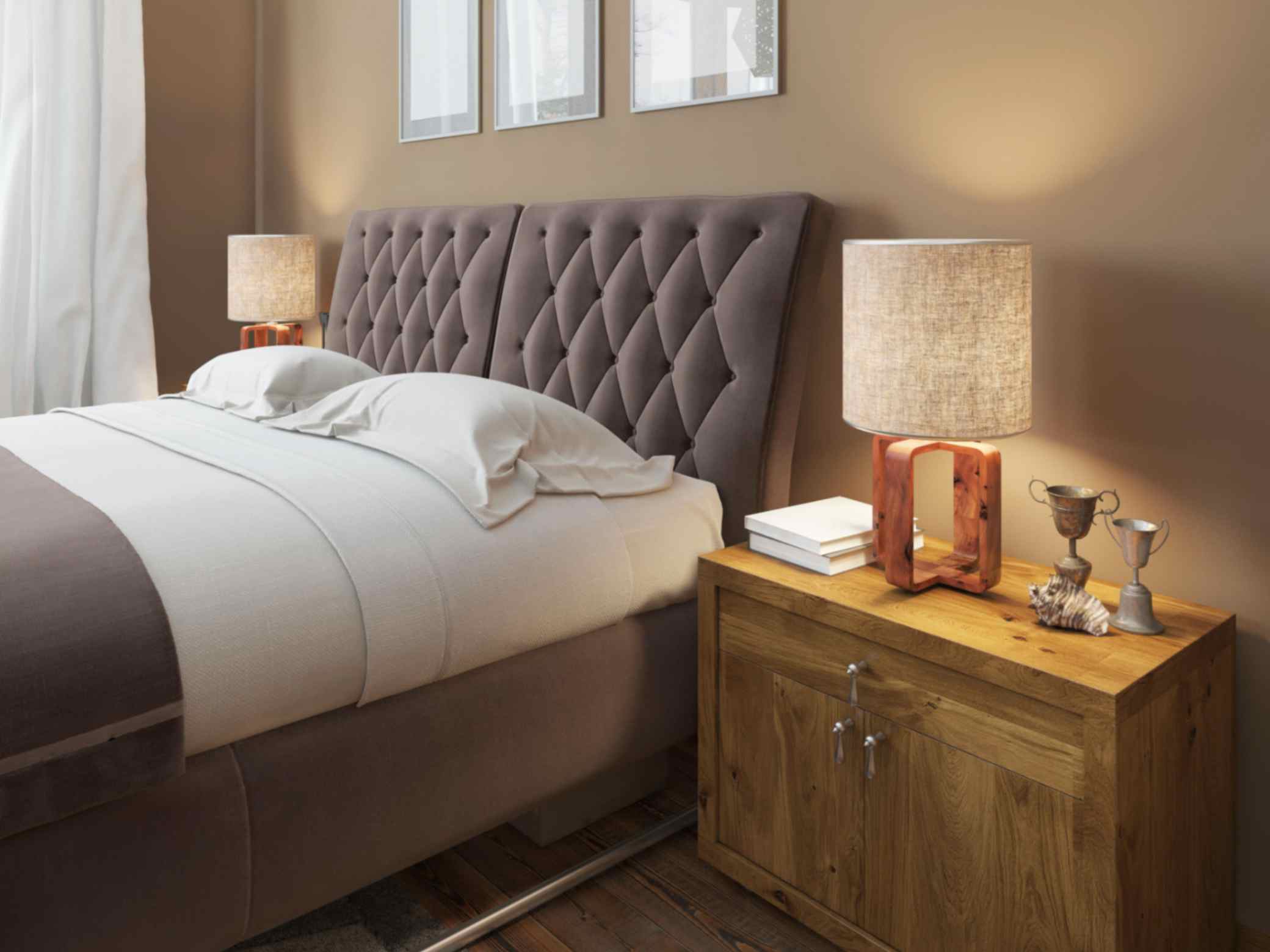
Why Choose a King Size Bed: Space, Comfort, and Better Sleep
-
- February 23rd, 2026
- 1,214 views
Upgrading to a king size bed can change how a bedroom functions and how people sleep. A king size bed often provides extra sleeping area, reduces partner disturbance, and supports a wider range of mattress types and sleeping positions.
- More surface area for couples, pets, or people who move during sleep.
- Potential reduction in partner disturbances and improved sleep ergonomics.
- Requires larger bedroom dimensions and appropriately sized bedding and foundation.
Benefits of a king size bed for sleep and space
More room to sleep and move
A king size bed gives more horizontal space than full, queen, or twin options. The expanded surface area allows multiple sleepers to adopt their preferred positions without crowding. For people who change positions frequently, extra width can reduce the chance of waking due to bumping shoulders or elbows.
Reduced partner disturbance
The additional space on a king bed can decrease the impact of one sleeper's movements on another. This can be particularly helpful for couples when one partner changes positions, gets up during the night, or uses different mattress firmness preferences. Research on sleep fragmentation suggests that reducing environmental disturbances supports consolidated sleep, and a larger sleep surface addresses one common source of disturbance.
Better accommodation for children and pets
Households that commonly share a bed with a child or a pet may find a king-size surface helps everyone fit more comfortably without compromising adult sleeping space. This can be a practical benefit in homes where co-sleeping is frequent.
Choosing a mattress, foundation, and bedding
Match mattress type to sleep needs
King-size mattresses are available in a wide range of constructions—memory foam, innerspring, hybrid, and latex. Selecting a mattress should consider firmness level, pressure relief for shoulders and hips, and responsiveness for preferred sleeping positions. Many mattress manufacturers and sleep organizations recommend evaluating sleep quality and comfort over several weeks before making a final decision.
Foundations, frames, and slats
Support for a king-size mattress must be sturdy and correctly sized. Box springs, platform beds, or slatted bases designed for king dimensions provide necessary structural support and can affect mattress longevity. A mismatched frame can lead to uneven wear or reduced performance.
Bedding and accessories
Larger sheets, mattress protectors, and comforters are required for king measurements. Choosing breathable fabrics and layered bedding supports temperature regulation and hygiene. Mattress protectors or encasements that fit a king mattress can also guard against spills, dust mites, and allergens.
Room planning and dimensions
Required bedroom size
A king bed will occupy a significant portion of a bedroom. A common recommendation is to allow at least 30 to 36 inches of walking space around the bed on multiple sides to enable comfortable movement and furniture placement. Measure door swings and closet access before purchasing to ensure the bed fits without blocking pathways.
Layout and furniture placement
Consider the placement of nightstands, dressers, and any seating when planning for a king bed. Larger beds can make a room feel visually smaller; using proportional furniture and light color palettes can help maintain balance in the layout.
Maintenance, cost, and longevity
Cleaning and care
Regular mattress rotation (if recommended by the manufacturer), use of a protector, and routine cleaning of bedding extend the usable life of a king mattress. Proper support and avoiding excessive compression from heavy items also help maintain structure over time.
Cost considerations
King-size mattresses and bedding typically cost more than smaller sizes. Additional expenses may include a wider frame, larger linens, and delivery or moving costs. When considering cost, factor in potential benefits to sleep quality and household needs.
Who benefits most from a king size bed
Couples and mixed-schedule sleepers
Couples who have different sleep schedules, prefer different mattress firmness, or move a lot during sleep often find a larger surface helpful. Partners with disparate body sizes or a preference for personal space may also benefit.
Individuals who value space
Single sleepers who prefer extra space for comfort, shared sleeping with pets or children, or who use the bed for reading or work may choose a king for functional reasons beyond sleep alone.
For evidence-based guidance on sleep duration and environmental factors, organizations such as the National Sleep Foundation and the American Academy of Sleep Medicine publish summaries and recommendations on sleep health. For general guidance on sleep and mattress selection, see the National Sleep Foundation guide National Sleep Foundation.
Frequently asked questions
Is a king size bed worth it?
Whether a king size bed is worth it depends on room dimensions, budget, and personal or household sleep needs. For people who value extra personal space, share the bed frequently, or have pets or children that join nighttime, a king can provide practical benefits. For smaller bedrooms or tighter budgets, a queen or full size may be a more appropriate choice.
How big is a standard king bed compared to a queen?
A standard king bed typically provides an additional 16 inches of width compared with a queen, offering noticeably more lateral space. Exact dimensions vary by region and bed type (e.g., Eastern King vs. California King).
Can a king mattress improve sleep quality?
A larger mattress can reduce disturbances from a partner and provide more room for comfortable positioning, which may support improved sleep for some people. Sleep quality depends on many factors including mattress firmness, sleep schedule, room environment, and individual health.
What bedroom size is recommended for a king bed?
Allowing at least 30 to 36 inches of clearance around the bed is commonly recommended to ensure comfortable movement and furniture placement, but specific recommendations depend on the room layout and door or closet access.
How should a king-size mattress be supported?
Use a frame, platform, or slatted base designed for king dimensions and follow the mattress manufacturer's support recommendations to avoid warranty issues and uneven wear. Proper support helps maintain comfort and durability.
Are king-size beds suitable for small bedrooms?
King beds can overwhelm small bedrooms and limit furniture placement. Measure the room and consider how much clearance will remain around the bed before deciding. In tight spaces, a queen or full size may be a better fit.