Why Enterprises Choose SAP ERP Software: Key Benefits and Use Cases
-

- Published Updated
- 1,697 views
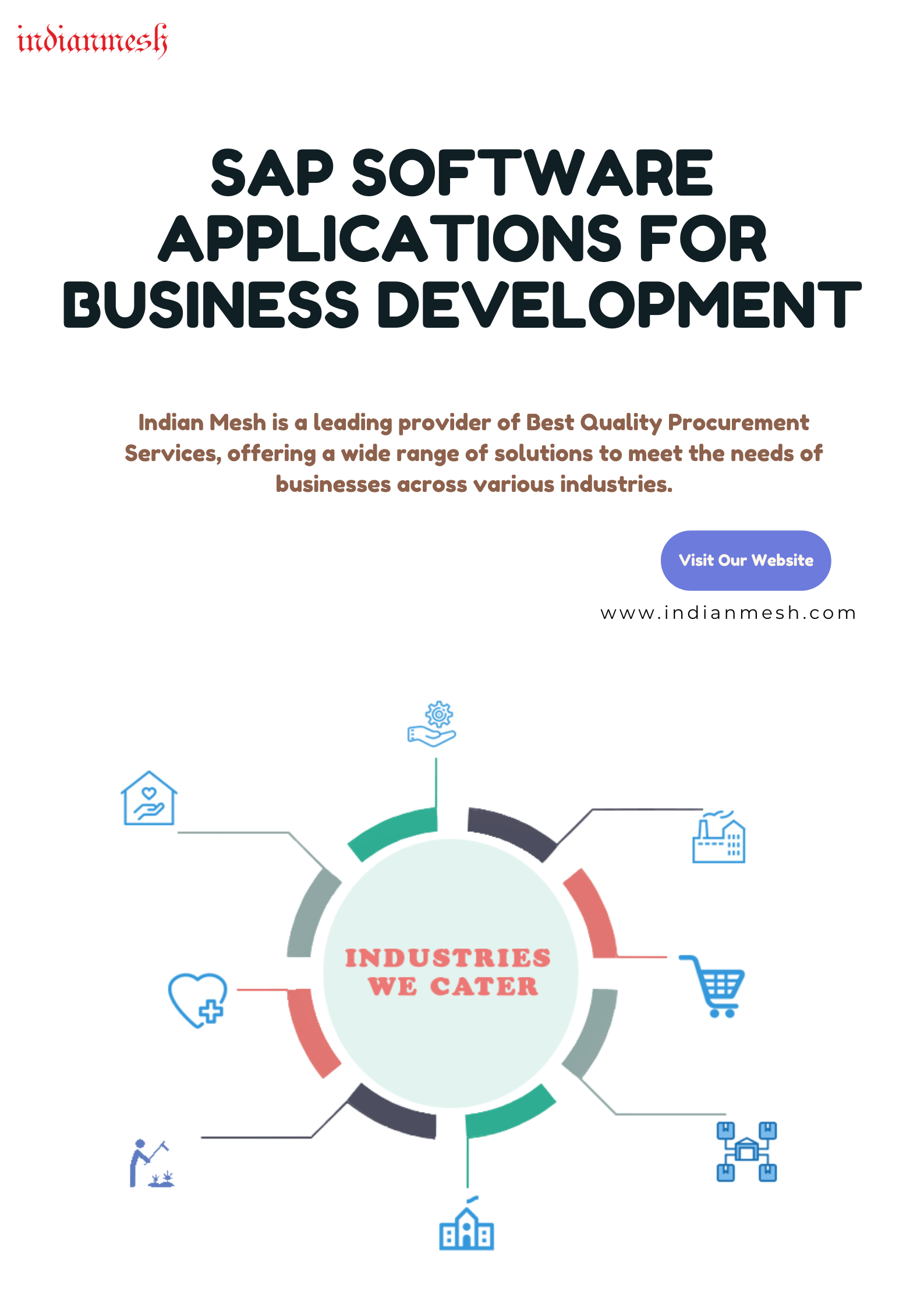
SAP software applications for enterprise resource planning are widely used by organizations to unify data, automate processes, and support decision-making across finance, supply chain, human resources and operations. These applications combine core ERP modules with analytics, integration tools, and cloud deployment options to help businesses increase operational efficiency and respond to changing market demands.
- Centralizes core business processes (finance, procurement, supply chain, HR)
- Improves visibility with real-time analytics and reporting
- Supports scalability, standardization, and regulatory compliance
- Offers on-premises and cloud deployment options for different IT strategies
SAP software applications for enterprise resource planning: core advantages
Integrated processes and a single source of truth
ERP implementations consolidate transactional systems into a unified platform so financials, inventory, procurement, and HR share consistent master data. This reduces duplicate entries, shortens month-end close cycles, and lowers the risk of errors that arise from disconnected spreadsheets or siloed applications.
Real-time analytics and business intelligence
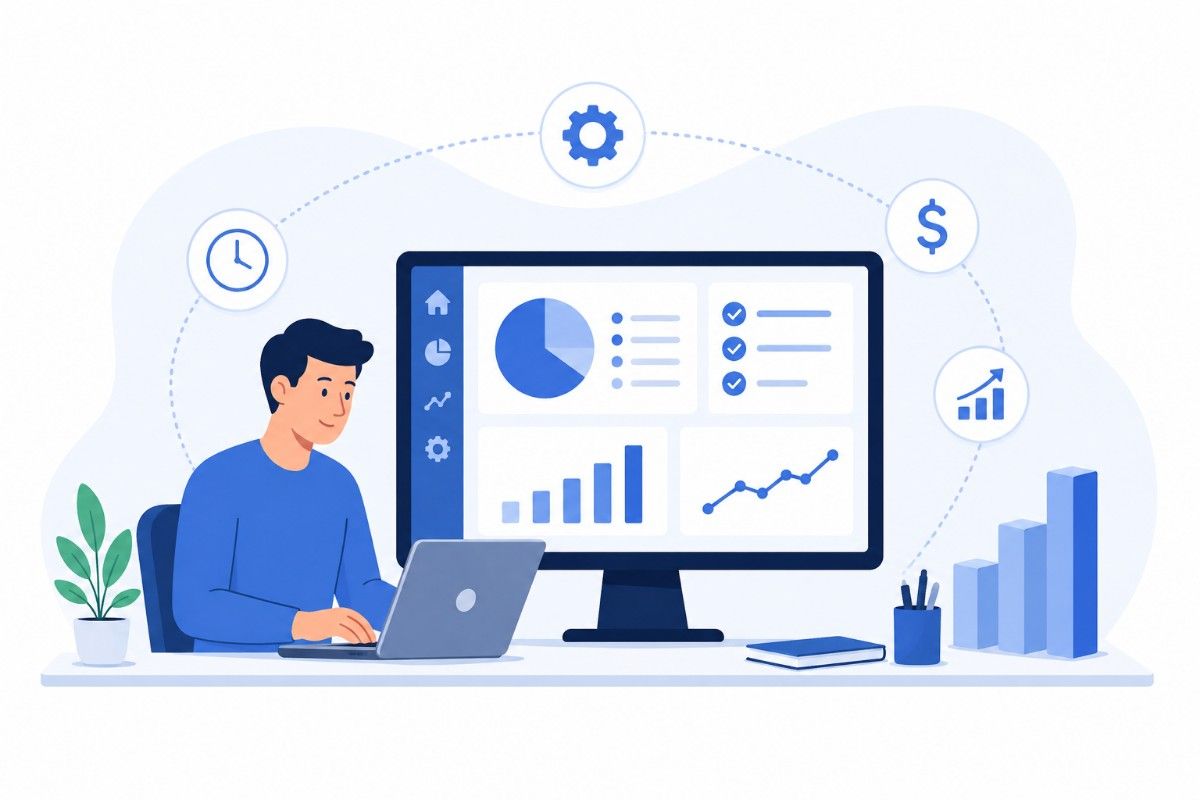
Modern SAP applications leverage in-memory databases and embedded analytics to deliver near real-time reporting. Operational dashboards and predefined KPIs enable managers to monitor cash flow, inventory turns, order fulfillment, and workforce metrics without lengthy data extraction processes. Integrating analytics with transactional systems helps detect trends and supports timely decisions.
Scalability and deployment flexibility
Enterprise deployments can scale to support global operations with multiple legal entities, currencies, and local tax rules. Deployment choices include on-premises, private cloud, and public cloud options, allowing organizations to align ERP architecture with security, performance, and total-cost-of-ownership objectives. Cloud-enabled updates and modular extensions simplify incremental adoption of new capabilities.
Operational impacts and functional benefits
Finance and accounting
Core financial modules automate accounts payable and receivable, general ledger consolidation, fixed asset management, and tax reporting. Automation reduces manual reconciliations, helps enforce internal controls, and provides audit trails that support regulatory reporting and financial governance.
Supply chain and manufacturing
Inventory management, demand planning, procurement, and production scheduling become more predictable when integrated with sales forecasts and supplier performance data. Visibility across the supply chain supports just-in-time replenishment, reduces stockouts, and can lower carrying costs.
Human resources and payroll
HR modules manage hiring, time tracking, payroll integration, and talent management. Consistent HR data supports workforce planning, compensation strategies, and compliance with labor regulations. Integration with payroll services and local compliance frameworks helps manage multinational HR operations.
Technical considerations and integration
Extensibility and API integration
ERP platforms typically provide APIs and middleware to integrate CRM, e-commerce, Manufacturing Execution Systems (MES), and third-party reporting tools. A modern integration layer supports event-driven architectures, data replication, and secure exchange across cloud and on-premises systems.
Performance and data management
In-memory databases and columnar storage improve query performance for large datasets. Proper data governance—including master data management, data quality processes, and access controls—ensures reliable reporting and reduces downstream errors.
Risk management, compliance, and governance
Support for regulatory requirements
ERP systems can be configured to meet local tax rules, statutory reporting formats, and audit requirements. Integration with identity management and role-based access control supports segregation of duties. Reference to standards such as ISO management system frameworks and data protection regulations like the EU General Data Protection Regulation (GDPR) helps define controls for information security and privacy.
Business continuity and disaster recovery
Standardized processes and centralized data simplify backup strategies and recovery planning. Cloud options commonly include service-level agreements for availability and data protection that align with organizational risk tolerance.
Common business outcomes and measurable benefits
Efficiency and cost savings
Consolidation and automation often yield reductions in manual processing time, lower IT maintenance costs by retiring legacy systems, and improved procurement savings through better spend visibility.
Improved decision-making
Access to timely, accurate data supports forecasting, scenario planning, and performance management across departments. This can shorten reaction times to market shifts and improve alignment between strategy and operations.
For guidance on product capabilities, roadmaps, and documentation, official vendor resources and independent analyst reports provide detailed comparisons and deployment advice. For example, the vendor site offers product documentation and whitepapers for further study: SAP official site.
Adoption considerations
Implementation complexity and change management
ERP projects require cross-functional governance, clear requirements, and a change management program to ensure user adoption. Phased rollouts and pilot programs reduce risk and allow iterative refinement of business processes.
Total cost of ownership and licensing
Assess licensing models, cloud service fees, customization overhead, and ongoing support costs when building a business case. Organizations often compare TCO across cloud and on-premises options and consider managed service providers for long-term operations.
Training and skills
Training programs for finance, procurement, IT, and operations help realize functional benefits. Access to certified implementation partners and training resources supports sustained capability development.
Frequently asked questions
What are the main benefits of using SAP software applications for enterprise resource planning?
Key benefits include integrated processes, real-time analytics, improved compliance support, scalability, and reduced manual effort through automation. These benefits support better visibility, faster decision-making, and standardized operations across business units.
How long does a typical ERP implementation take?
Implementation timelines vary by scope, organization size, number of modules, and level of customization. Small deployments might complete in months, while large global rollouts can take a year or more. Phased approaches are common.
Can ERP systems be deployed in the cloud?
Yes. Modern ERP offerings support cloud, hybrid, and on-premises deployments. Cloud deployments can reduce infrastructure management overhead and provide faster access to updates but require evaluation of data residency and integration needs.
How do organizations measure return on investment for ERP projects?
Common ROI metrics include reductions in process cycle times, lower inventory levels, improved cash conversion cycles, reduced IT maintenance costs, and productivity gains from automation. Benchmarking and post-implementation reviews help quantify outcomes.