Top Bulk Voice Services in Delhi NCR: Compare Providers, Pricing, and Compliance
-

- March 09th, 2026
- 206 views

Get a free topical map and start building content authority today.
Introduction
Choosing bulk voice services in Delhi NCR requires balancing compliance, call quality, and pricing. Organizations that run large outbound campaigns—customer notifications, OTPs, surveys, or tele-sales—need a provider that supports DLT compliance, local access numbers, SIP trunking, and reliable reporting. This guide compares the available options, explains regulatory requirements, and provides a practical checklist to evaluate vendors.
Detected intent: Commercial Investigation
Quick take: prioritize DLT-ready platforms, transparent per-minute or per-call pricing, SLA-backed delivery rates, and tools for campaign control (IVR, call throttling, retry logic). Use the VOICE checklist below to narrow vendors, then run a short pilot campaign.
Primary keyword: bulk voice services in Delhi NCR
Bulk voice services in Delhi NCR: Comparison and checklist
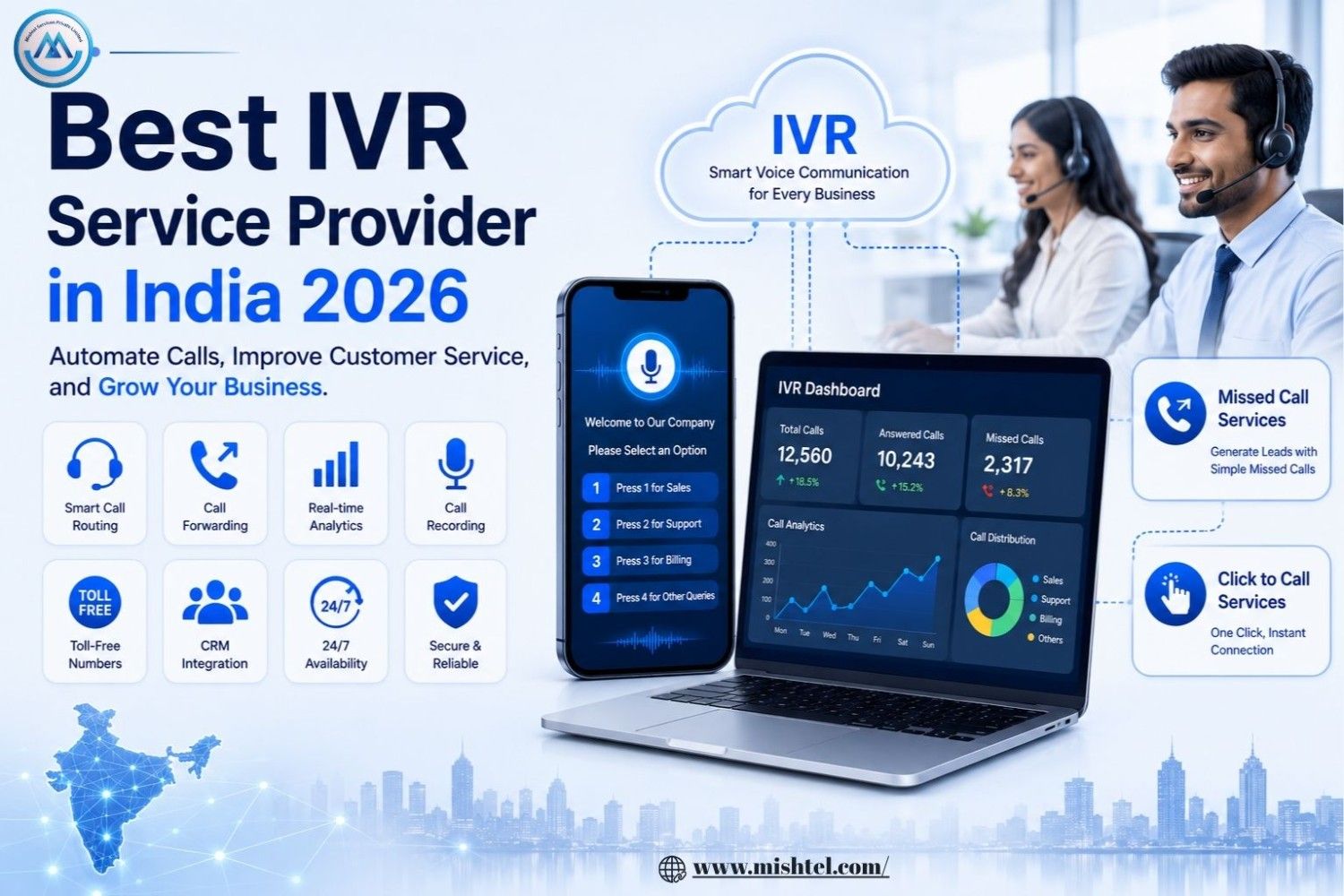
Providers in Delhi NCR range from large national cloud-communication platforms to local telephony firms offering managed SIP trunks and on-premise PBX integration. Key differences appear in these areas: regulatory compliance (DLT and DoT rules), pricing model (per minute, per call, seat-based), feature set (IVR, local DID numbers, predictive dialer), and support for scale (concurrent calls, concurrency guarantees, SLA).
What to evaluate (short checklist)
- DLT readiness and campaign templates support
- Number types: toll-free, local DIDs, national long code
- SIP trunking and local POPs in Delhi NCR for lower latency
- Pricing transparency: setup fees, minimums, and surcharges
- Reporting: real-time dashboards, call disposition, and recordings
How to choose a provider: SERVICE model
A short named model helps evaluate vendors systematically. The SERVICE model covers essential selection criteria:
- Stability: uptime, SLA, local Points-of-Presence (POPs)
- Experience: telecom partnerships, enterprise references
- Regulatory compliance: DLT, DoT/TRA I rules
- Versatility: IVR, API, SIP trunking, predictive dialer options
- Insights: reporting, call analytics, recordings
- Cost: pricing model alignment with campaign type
- Ease of setup: onboarding time and support
Regulatory note
All bulk voice campaigns must follow Telecom Regulatory Authority of India (TRAI) rules and DoT guidelines; registration on DLT (Distributed Ledger Technology) platforms is typically required for promotional or transactional voice campaigns. For official regulations and notifications, consult TRAI's site: https://trai.gov.in.
Features to compare between bulk calling providers Delhi NCR
Feature parity varies widely. Typical feature categories include:
- Number management: local DIDs, toll-free, national long codes
- Delivery controls: concurrency limits, throttling, retry/backoff
- Campaign tools: voice broadcasting, IVR trees, call scheduling
- Integrations: REST APIs, CRM connectors, webhook support
- Fraud and consent management: opt-out handling, consent logging
Common pricing models and trade-offs
Pricing usually falls into per-minute, per-call, or per-seat models. Per-minute pricing is flexible for short transactional calls; per-call pricing can be simpler for fixed-duration recordings or announcements. Seat-based or subscription plans make sense for large contact centers with predictable volume. Trade-offs include:
- Per-minute: good for variable volume, but harder to predict monthly spend.
- Per-call: simplifies budgeting for fixed-length calls but penalizes longer calls.
- Subscription/seat: stable cost for large teams but may include unused capacity.
Common mistakes when choosing bulk voice services
- Ignoring DLT and consent requirements until after a campaign fails.
- Choosing the lowest per-minute price without testing real delivery rates or voice quality.
- Overlooking latency and local POPs; Delhi NCR campaigns benefit from local routes.
- Failing to validate reporting and recording access for dispute resolution and analytics.
Real-world scenario: 50,000 OTP calls per month
A retail finance company needs to deliver 50,000 OTP calls monthly with 98% success within 30 seconds. Applying the SERVICE model: choose a provider with local SIP trunks in Delhi NCR for low latency, per-minute pricing with predictable costing, IVR fallback for missed calls, and automated retry logic. Run a 1,000-call pilot to measure answer-seizure ratio (ASR), average call duration, and drop rate before signing a 6-month contract.
Practical tips (actionable)
- Run a pilot campaign with the provider over a representative list (1–2% of expected volume) to measure delivery metrics.
- Request sample recordings and an SLA for answer time, concurrency, and uptime in writing.
- Confirm DLT template support and documentation for opt-in/opt-out flows before onboarding lists.
- Ask for breakdowns of surcharges (peak hours, local access, number rental) and put them in the contract.
- Validate integration steps with development teams: sample API requests, webhook examples, and sandbox access.
Core cluster questions
- How do DLT rules affect bulk voice campaigns in India?
- What performance metrics matter for large outbound voice campaigns?
- When is SIP trunking preferable to hosted voice broadcasting?
- How should pricing be structured for transactional vs promotional calls?
- What consent and data-retention practices are required for voice outreach?
Provider shortlist criteria for Delhi NCR
Shortlist vendors that demonstrate: regional POPs in Delhi NCR, clear DLT onboarding support, transparent reporting and sample dashboards, flexible pricing models, and documented support SLAs. If possible, get references from clients in similar industries (finance, e-commerce, healthcare) who run high-volume campaigns.
FAQ
Which are the best bulk voice services in Delhi NCR?
There is no single "best" provider; the right choice depends on volume, campaign type, and compliance needs. Prioritize vendors with DLT support, local POPs in Delhi NCR, transparent pricing, and a strong reporting platform. Run a pilot and compare ASR, average call duration, and delivery rate before committing to a long-term contract.
How much do bulk calling providers Delhi NCR typically charge?
Charges vary: per-minute rates for transactional calls, per-call for fixed-length broadcasts, or subscription models for contact centers. Expect differences based on number type (local DID vs toll-free), concurrency needs, and added features like call recording or IVR. Always request a detailed pricing schedule.
Do voice broadcasting solutions Delhi NCR need DLT registration?
Yes—promotional and certain transactional campaigns require DLT registration and templates under Indian telecom regulations. Confirm the provider's DLT support and template submission process before launching campaigns.
What metrics should be monitored in bulk voice campaigns?
Monitor answer-seizure ratio (ASR), average call duration (ACD), call completion rate, drop rate, and call disposition breakdowns. Also track campaign-level KPIs like successful OTP delivery within a set SLA window and cost per successful contact.
How to test a bulk voice service before full rollout?
Run a pilot with a representative sample, measure ASR and delivery times, verify recordings and reporting access, and test DLT template-driven message matching. Use the VOICE checklist to confirm vendor readiness: Verify consent, Opt-in documentation, Infrastructure (local POPs), Call quality checks, Evaluate reporting and support.