How to Choose the Best Cosmetologist in Ahmedabad: Dr. Krupa’s Skin & Hair Care Guide
-

- March 05th, 2026
- 312 views

Get a free topical map and start building content authority today.
Finding the right practitioner matters. This guide explains how to evaluate the best cosmetologist in Ahmedabad for skin and hair concerns, what qualifications and outcomes to expect, and how Dr. Krupa’s approach addresses common cosmetic goals such as acne scarring, pigmentation, and hair thinning.
- Detected intent: Commercial Investigation
- Primary focus: identify a qualified cosmetologist and understand expected treatments and trade-offs
- Includes: C.A.R.E. Consultation Framework, checklist, real-world example, practical tips, and FAQs
Finding the best cosmetologist in Ahmedabad: what to prioritize
Searching for the best cosmetologist in Ahmedabad begins with qualification, consistent outcomes, and transparent communication. Look for relevant medical credentials, visible before-and-after evidence, clear treatment plans, and honest discussion of risks and recovery time. The primary goal should be measurable improvement aligned with realistic expectations.
Understanding credentials and specialties
Cosmetology spans non-invasive skin treatments, cosmetic dermatology, and hair restoration techniques. Confirm whether the practitioner is a medically qualified cosmetic dermatologist, holds membership in recognized bodies, and follows local standards. For professional standards and credential verification, reference the Indian Association of Dermatologists, Venereologists and Leprologists (IADVL).
Key credentials and evidence
- Medical/bachelor or postgraduate degree in dermatology or related field
- Memberships in professional organizations and documented training for specific procedures
- Before-and-after photos for the same clinic, with patient demographics and procedure notes
- Clear pricing structure and written consent forms
C.A.R.E. Consultation Framework (named model)
Use the C.A.R.E. Consultation Framework to evaluate any cosmetologist quickly. This four-step model clarifies suitability and expected outcomes.
- Concern: Define the primary issue (e.g., acne scars, melasma, hair thinning)
- Assessment: Ask for clinical evaluation, diagnostics (dermatoscopy, scalp analysis) and relevant photos
- Recommendations: Request a prioritized treatment plan with timelines, alternative options, and maintenance advice
- Expectations: Confirm likely results, number of sessions, downtime and potential side effects
Dr. Krupa’s expertise in skin and hair care — what this typically includes
Dr. Krupa’s practice highlights combined approaches for cosmetic concerns: medical-grade topical regimens, energy-based devices (lasers, IPL, radiofrequency), injectables where appropriate, and hair growth therapies. For patients seeking a skin and hair specialist Ahmedabad, integrated plans that mix medical dermatology with cosmetology often yield the best long-term results.
Treatment categories
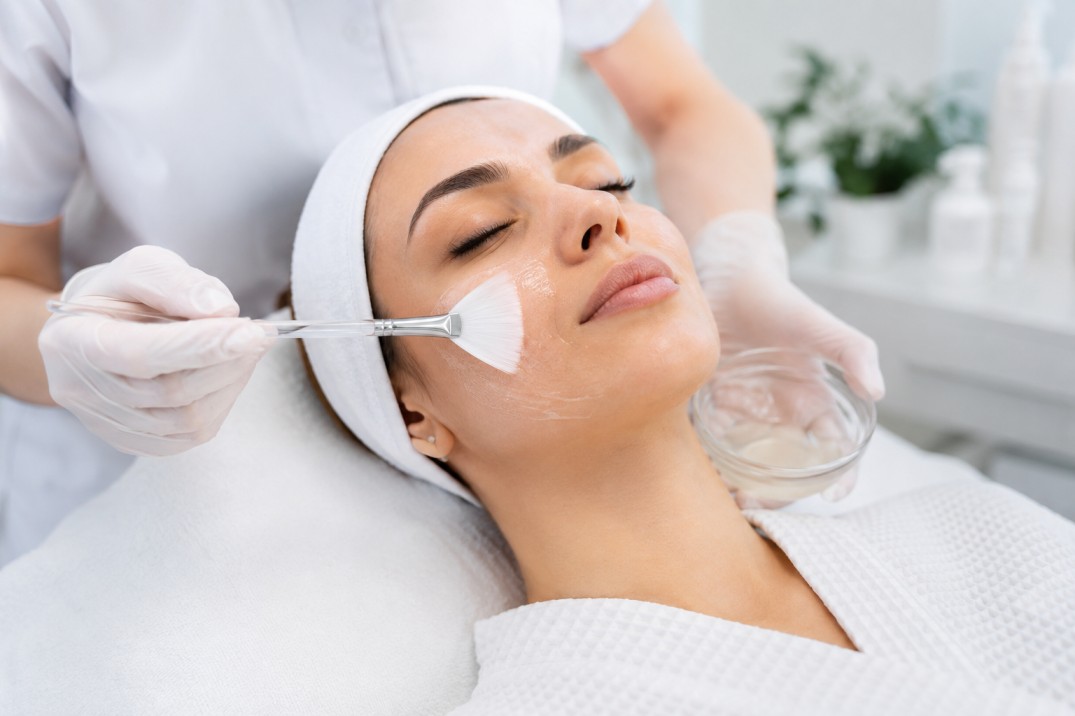
- Medical skincare: prescription retinoids, hydroquinone alternatives, and chemical peels for pigmentation
- Device-based procedures: fractional lasers, microneedling radiofrequency, IPL for texture and tone
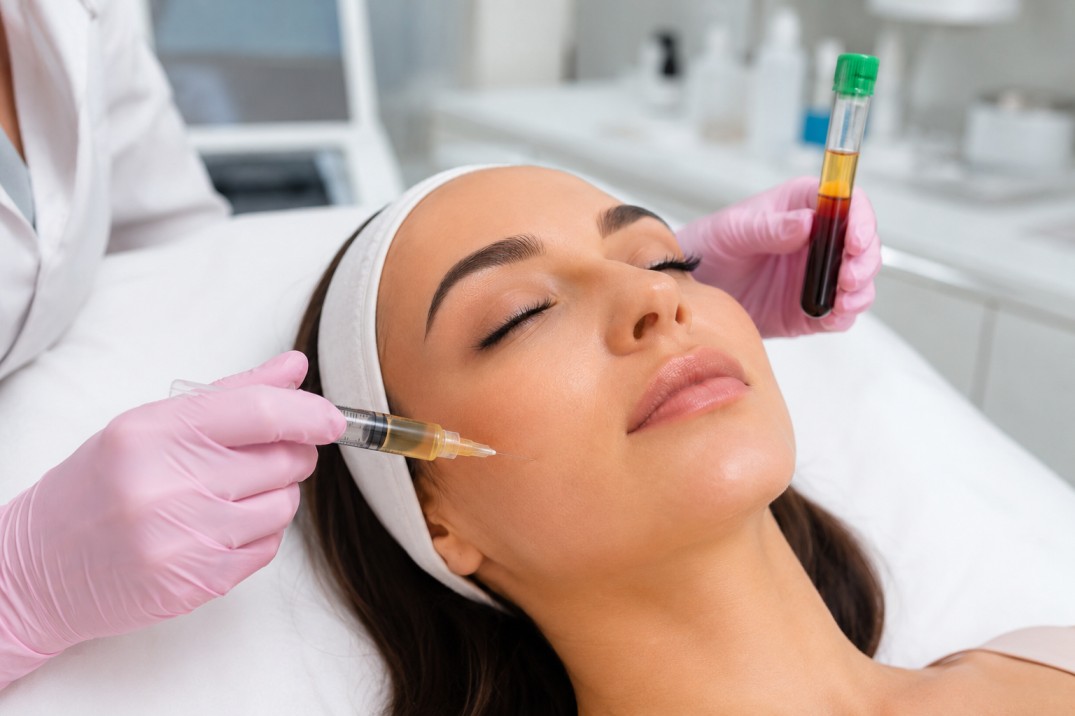
- Hair therapies: PRP, medical minoxidil protocols, low-level laser therapy, and targeted counseling for nutritional contributors
- Injectables: neuromodulators for dynamic lines and fillers for volume loss when medically appropriate
Short real-world example
Case: A 32-year-old patient presented with moderate post-acne scarring and uneven tone. After C.A.R.E. assessment, the plan combined three sessions of microneedling radiofrequency (spaced 6 weeks apart), a course of topical retinoid-sunscreen regimen, and monthly chemical peels for six months. Improvement in texture and scar depth was measurable after three sessions; maintenance with topical therapy and sun protection reduced recurrence risk.
Practical tips for choosing and preparing
- Bring a clear photo history: recent pictures and a timeline of previous treatments help the practitioner assess causes and responses.
- Request documented outcomes: ask for case studies that match age, skin type, and concern rather than generic portfolios.
- Confirm follow-up policy: understand post-procedure care, emergency contact, and refund or retreatment policies for unsatisfactory results.
- Prioritize conservative plans first: evidence-based stepwise approaches reduce risk and reveal true benefit before invasive steps.
Common mistakes and trade-offs when selecting a cosmetologist
Choosing speed or lowest cost over qualifications often leads to suboptimal results. Common mistakes include:
- Relying solely on social media images without clinical context (lighting, makeup, and filters obscure true results)
- Skipping patch tests or medical history disclosures that reveal contraindications
- Expecting dramatic results from a single session—most skin and hair protocols require staged treatment and maintenance
Trade-offs to accept: quicker procedures can have higher downtime or risk; slower, staged programs take longer but usually improve safety and longevity. Prioritize predictable outcomes over rapid fixes.
Core cluster questions (ideal internal link targets)
- How to verify a cosmetologist’s medical qualifications and memberships
- What to expect during a first cosmetology consultation
- Comparing non-invasive vs. minimally invasive skin treatments for acne scarring
- Best maintenance routines after laser or chemical peels
- Options for female-pattern hair thinning and expected timelines
Choosing between a cosmetic dermatologist and a cosmetologist
Understanding the difference matters: a medically trained cosmetic dermatologist can diagnose underlying skin disease and prescribe medications, while cosmetologists focus on non-medical beauty services. For medical-grade interventions—especially those involving lasers, injectables, or pharmacologic therapy—select a clinician with medical credentials and documented training.
Pricing, timelines, and realistic outcomes
Costs vary by procedure complexity. Expect consults to include diagnosis, baseline photos, and a written plan. Typical timelines: 1–3 months for early visible changes (peels, topical regimes), 3–6 months for device-based remodeling, and ongoing maintenance for hair therapies. Ask for objective measurement methods (scales, photography) to evaluate progress.
Frequently Asked Questions
How to choose the best cosmetologist in Ahmedabad for my skin type?
Choose a practitioner who performs a thorough medical assessment, demonstrates outcomes on similar skin types, and provides a tailored plan including sun protection and follow-up. Verify credentials and patient feedback.
What should a skin and hair specialist Ahmedabad include in the first consultation?
Expect a medical history, clinical examination, baseline photos, diagnostic tests as needed, a prioritized treatment plan, estimated costs, and a discussion of risks and recovery.
Are non-surgical treatments effective for acne scarring and pigmentation?
Yes—when matched to scar type and skin tone. Options like fractional lasers, microneedling, chemical peels, and topical regimens can deliver meaningful improvement over multiple sessions; results depend on scar depth, skin type, and adherence.
How long before hair treatment results become visible?
Hair therapies typically show initial changes in 3–4 months, with clearer improvement at 6–12 months. Consistent application of medical therapies and follow-up is essential.
What are common side effects and how are they managed?
Expected short-term effects include redness, swelling, peeling, and temporary pigment changes. Management includes topical anti-inflammatories, sun avoidance, and scheduled follow-ups; a qualified clinician will provide written aftercare instructions.