Top Winter Destinations in Europe: Where to Go for Snow, Lights, and Mild Escapes
-

- February 28th, 2026
- 393 views

Get a free topical map and start building content authority today.
The search for the best European winter destinations starts with three questions: what climate is wanted, what activities matter most, and how much travel comfort is required. This guide explains top options — alpine skiing, northern-lights wilderness, festive city breaks, and mild coastal escapes — and includes a practical SNOW checklist to plan a safe, enjoyable trip.
- Intent: Informational
- Focus: best European winter destinations for different trip styles (skiing, lights, markets, mild coasts)
- Includes: SNOW checklist, planning tips, mistakes to avoid, and 5 core cluster questions for deeper research
best European winter destinations
Europe offers distinctly different winter experiences within short distances — the Alps for dependable snow, Lapland for aurora hunting, Central Europe for Christmas markets and city culture, and southern coasts for mild, crowd-free escapes. This section groups top picks by travel style and includes what to expect, who it suits, and practical notes on accessibility and costs.
Alpine ski resorts (France, Switzerland, Austria, Italy)
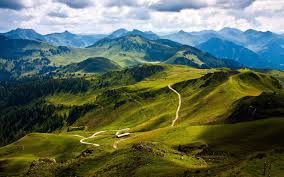
For downhill skiing, board-access terrain, and mountain villages, Alpine resorts are the default choice. Expect reliable snow (December–April at higher elevations), extensive lift networks, and après-ski infrastructure. Consider family-friendly resorts near smaller towns to save on lodging. Secondary keyword: winter city breaks Europe can tie into Alpine base towns like Innsbruck or Grenoble for combined city and mountain time.
Lapland and northern Scandinavia (Finland, Norway, Sweden, Iceland)
Choose this region for northern lights, dog sledding, and arctic landscapes. Travel costs and distances are higher, but the payoff is unique winter wildlife and cultural experiences. The best window for aurora viewing is late autumn through early spring when nights are longest.
Central European cities and Christmas markets (Germany, Austria, Czech Republic)
City breaks in Prague, Vienna, and German towns are ideal for short trips focused on festive atmosphere, classical concerts, and heated outdoor markets. These destinations combine easy train connections and dense cultural offerings — suitable for travelers prioritizing convenience and atmosphere over outdoor winter sports.
Mild coastal escapes (Portugal, Canary Islands, southern Spain)
For milder temperatures and lower tourist density, southern Europe and the Canary Islands provide winter sun without summer crowds. These are good options for longer stays, walking, and outdoor cultural visits when colder regions are impractical.
SNOW Checklist: a named planning framework
Use the SNOW checklist before booking winter travel:
- S – Suitability: match climate and activity (skiing vs sightseeing)
- N – Necessities: passports, visas, insurance, local entry rules
- O – Outdoor gear: layers, traction devices, daypack, chargers
- W – Weather resilience: flexible bookings, cancellation windows, and local emergency contacts
Documents and entry rules (brief)
Check passport validity and Schengen-area requirements well before travel. For official rules on entry and border policy, consult the European Commission guidance for the Schengen area for authoritative details on visas and border checks: European Commission - Schengen area.
Real-world example: a 5-day mixed winter trip
Example itinerary: Fly into Salzburg (day 1), spend a day in the city markets (day 2), transfer to a nearby small Alpine resort for two days of skiing and village dining (day 3–4), return to Salzburg for departure (day 5). This mix keeps transit short, combines a winter city break with mountain time, and is easier to execute by train or short car transfer.
Practical tips for booking and packing
- Book refundable or flexible-rate accommodations and transport for winter-season weather uncertainty.
- Reserve ski passes, equipment rentals, and popular December events well in advance to avoid sold-out dates.
- Layering is essential: base layer, insulating mid-layer, and a waterproof outer shell plus warm hat and gloves.
- Carry a physical copy of emergency contacts and local embassy numbers; winter conditions can delay online access.
Trade-offs and common mistakes
Trade-offs to expect
- Cost vs. convenience: premium resorts and peak-season dates offer the best conditions but at higher prices; smaller towns are cheaper but require transfers.
- Weather certainty vs. uniqueness: guaranteed snow destinations often mean higher altitude and busier slopes; remote aurora viewing is less predictable but more singular.
Common mistakes
- Assuming every mountain resort has beginner terrain — check slope maps before booking lessons or family trips.
- Underpacking for temperature swings — daytime sun at altitude can be misleading.
- Overlooking daylight hours when planning sightseeing itineraries in far-north locations.
Core cluster questions
- Which European regions offer the most reliable snow in winter?
- How to combine a winter city break with nearby mountain activities?
- What are the best family-friendly European ski resorts?
- When is the best time to see the northern lights in Europe?
- What travel insurance covers winter sports and weather delays?
Booking and transportation notes
Trains are a strong choice for Central Europe and many Alpine access routes; flights suit longer transfers to Scandinavia or southern islands. Allow extra transit time for winter conditions. If driving, equip the car with winter tires and check local laws about studded tires and snow chains.
Practical tips section — quick actions
- Check weather and lift status 48 hours before arrival and again each morning while travelling.
- Reserve an equipment delivery or rental in advance to save time on arrival.
- Pack a portable charger and spare micro-USB/USB-C cables — cold drains batteries faster.
- Download offline maps and a local emergency app for the country or region being visited.
FAQ: Which are the best European winter destinations?
Answer: The best European winter destinations depend on priorities: the Alps (France, Switzerland, Austria, Italy) for skiing; Lapland and northern Norway for aurora and Arctic experiences; Central Europe (Prague, Vienna, Nuremberg) for festive city breaks and markets; and southern coasts or the Canary Islands for milder, quieter winter escapes.
FAQ: What should be packed for a winter trip to Europe?
Pack layered clothing, waterproof outerwear, insulated footwear, a compact daypack, chargers, and essential documents. For mountain travel include crampons, sunscreen for high UV reflection on snow, and a small first-aid kit.
FAQ: Are European ski resorts family-friendly?
Many resorts are family-oriented with nursery slopes, ski schools, and childcare. Look for resorts with easy access from a nearby town and check for family packages that include lessons and equipment.
FAQ: How to choose between a snow-focused trip and a winter city break?
Decide based on activity priorities and risk tolerance: snow-focused trips require more specialized gear, possibly longer transfers, and more flexible schedules; winter city breaks are easier to plan, more walkable, and often cheaper during shoulder-season dates.
FAQ: What travel insurance is recommended for winter travel?
Choose a policy that explicitly covers winter sports and weather-related cancellations or delays, includes medical evacuation for remote areas, and covers lost or delayed equipment.