Best Group Tours in Africa: Top Safaris, Cultural Routes, and Practical Tips
-
- May 09th, 2026
- 1,648 views
Exploring the continent with others can open unique access to remote national parks, community experiences, and guided wildlife encounters; this guide covers highlights and practical advice for group tours in Africa so travelers can plan memorable, responsible trips. Group tours in Africa often combine local guides, shared logistics, and curated itineraries that make complex routes—like multi-country safaris and heritage trails—more accessible for first-time and repeat visitors alike.
- Top experiences: safaris, gorilla trekking, cultural heritage, coastal islands.
- Tour types: escorted coach tours, small-group safaris, overland expeditions, community-based trips.
- Planning tips: best seasons, permit requirements, conservation and safety considerations.
- Responsible travel: support local guides, respect protected areas, follow park regulations.
Why choose group tours in Africa
Group tours in Africa streamline logistics—transportation between parks, park permits, and local guide arrangements—so participants can focus on wildlife viewing, cultural exchange, and outdoor activities. Guided group travel often means access to trained rangers in national parks, prearranged entry to crowded attractions, and the benefit of shared knowledge from experienced guides familiar with local ecosystems and cultural norms.
Top experiences to include on a group tour
Wildlife safaris and the Big Five
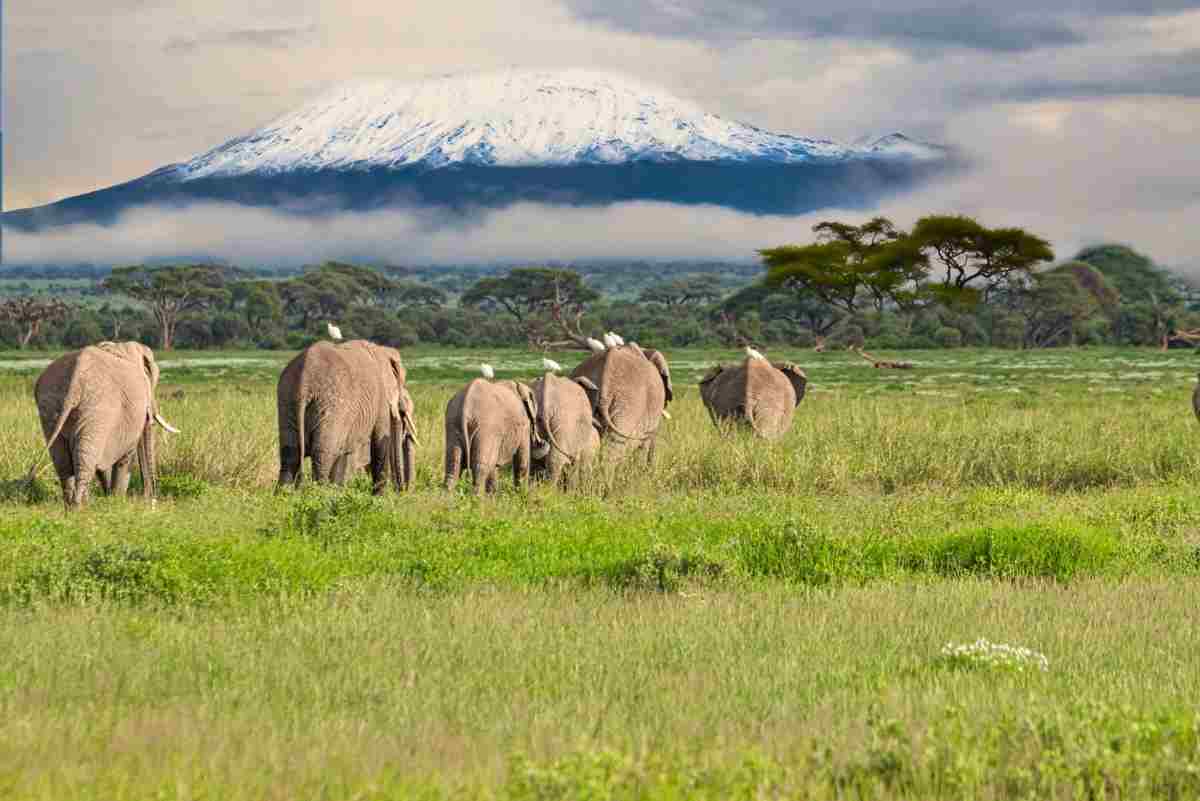
Classic safari regions such as the Serengeti, Maasai Mara, Okavango Delta, and Kruger National Park offer opportunities to see large mammals, including the so-called Big Five. Group itineraries can be tailored for game drives, guided walks, and boat safaris—each providing different ways to view wildlife while maintaining distance and following park rules designed to reduce disturbance.
Primates and gorilla trekking
Mountain gorilla and chimpanzee encounters are high on many travelers' lists. These experiences usually require permits and strict health protocols to protect endangered species; booking through organized group tours helps secure permits and follow conservation rules established by authorities.
Cultural heritage and living traditions
From historic trading towns to Indigenous cultural visits, group travel can facilitate respectful interactions with communities. Many tours incorporate homestays, cultural performances, and visits to markets in ways that prioritize local benefit and interpretation by local guides.
Coastal islands and marine life
Islands along the Indian Ocean and Atlantic—offshore Mozambique, Madagascar, São Tomé and Príncipe, and parts of East Africa—offer snorkeling, diving, and coastal conservation projects that fit well into multi-day group programs.
Planning and practical tips for successful group travel
Choose the right tour style
Options range from luxury lodge-based safaris to overland truck expeditions and small-group walking safaris. Consider pace, accommodation type (tented camps, lodges, guesthouses), group size, and activity level when selecting a tour.
Timing and climate
Seasonality affects wildlife viewing and weather. The dry season often concentrates wildlife around water sources, while the wet season can bring dramatic migrations and fewer crowds. Consult official national park agencies and tourism boards for up-to-date season advice.
Visas, permits, and official guidance
Entry requirements, park permits, and protected-area rules vary by country. Confirm visa rules with official government sources and secure any necessary permits in advance when possible. For cultural and natural heritage sites, agencies such as the UNESCO World Heritage Centre provide authoritative information on site status and protection: UNESCO World Heritage Centre.
Responsible travel and conservation
Support local economies and conservation
Prioritize tours that employ local guides, invest in community projects, and follow recognized conservation guidelines. Many national park agencies and conservation NGOs publish codes of conduct for wildlife viewing and community engagement.
Minimize environmental impact
Travelers are encouraged to follow Leave No Trace principles in wilderness areas, avoid single-use plastics where possible, and adhere to park rules about food, waste, and wildlife interactions.
Sample itineraries and group tour formats
Classic 10–14 day safari loop
Combines major parks and reserves with community visits and a mix of game drives and walking safaris. Often includes internal flights to reduce road time and overnight stays in lodges or tented camps.
Overland expedition
Longer, budget-friendly journeys across multiple countries using a support vehicle. These trips emphasize camaraderie, camping, and cultural stops along the route.
Short specialist trips
Focused departures for birdwatching, photography, or marine wildlife that run 5–8 days and concentrate on specific regions and seasons.
Preparing for the trip
Packing and health considerations
Pack layered clothing, sun protection, sturdy shoes, and necessary documentation. Health and vaccination requirements change; consult official public health authorities and a healthcare professional for personalized recommendations before travel.
Safety and local regulations
Follow guidance from national park officials and local authorities. Keep valuables secure, register itineraries with trusted contacts, and respect cultural norms in each destination.
Common questions
What should be included when booking group tours in Africa?
Look for clear information about what is included—transportation, park fees, accommodations, guide services, meal plans, and any optional activities. Transparent cancellation and insurance policies are also important.
Are group tours safe for solo travelers?
Many solo travelers choose group tours for added security, local knowledge, and social opportunities. Selecting reputable operators with professional guides and safety protocols reduces common risks associated with remote travel.
How can travelers reduce their environmental impact on group tours?
Select operators that use sustainable practices, minimize single-use plastics, support local conservation, and adhere to park guidelines. Respect wildlife distances and avoid disruptive behavior during viewing.
Do group tours in Africa accommodate dietary needs?
Most reputable operators can accommodate common dietary requirements when notified in advance. Confirm details at booking and carry any specialty items needed for longer, remote segments.
Where can travelers find official information about protected sites and regulations?
Official national park agencies, tourism boards, and international organizations such as the UNESCO World Heritage Centre provide authoritative guidance on protected sites, regulations, and conservation status.
What are typical payment and tipping practices on group tours?
Practices vary by country and operator. Clear information should be provided before travel; when in doubt, follow local customs and the guidance of the tour leader. Consider using secure payment methods and keeping receipts for larger transactions.