Top Oil Drain Pans for DIY Oil Changes: Practical Buying Guide 2024
-

- Published Updated
- 535 views
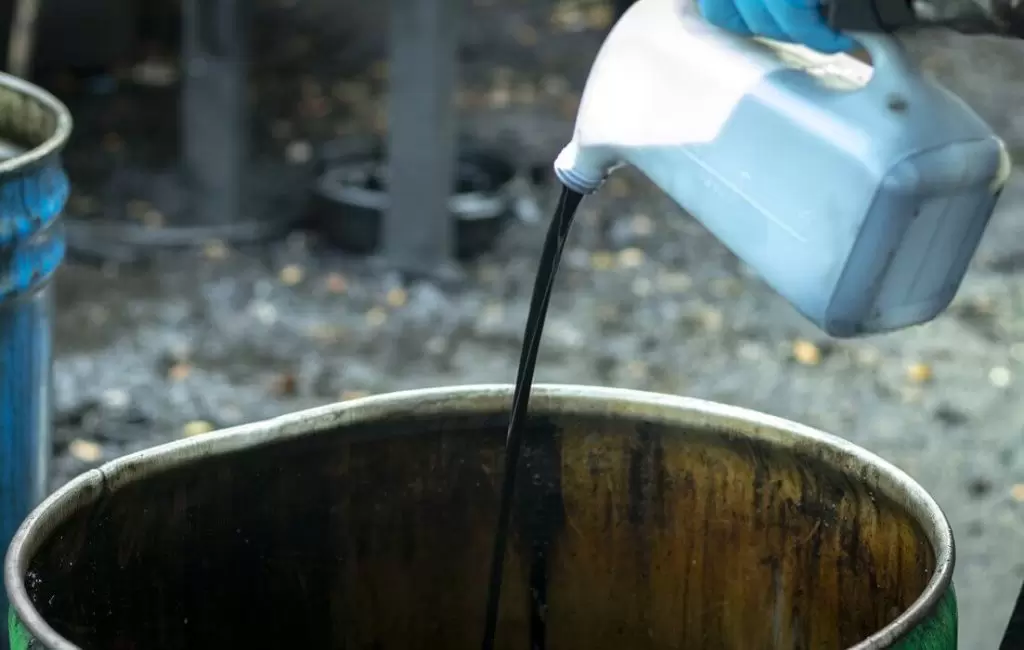
Choosing the best oil drain pan for DIY oil change matters for cleanliness, safety, and proper oil disposal. A well-chosen pan speeds service, reduces spills, and makes recycling used oil easier—especially when working under low-clearance vehicles or in a home garage.
- Primary goal: capture oil cleanly, avoid spills, and make transfer to storage safe.
- Key factors: capacity, profile, material, pour spout, and sealing/lid options.
- Detected intent: Informational
How to choose the best oil drain pan for DIY oil change
Select a pan based on vehicle oil capacity, workspace clearance, and plans for reuse. Capacity should exceed the vehicle's oil volume (common passenger cars: 4–6 quarts; light trucks: 6–12 quarts). Low-profile or shallow oil catch pan for home use is useful for sports cars and crossovers with limited ground clearance. Reusable oil drain pans made from impact-resistant plastic or metal are durable and save money over disposable trays.
DRAIN checklist: a named framework for buying
Use the DRAIN checklist to quickly compare options before purchase.
- Durability — Material (HDPE plastic, steel, aluminum) and impact resistance.
- Reservoir capacity — Choose 25–50% higher than the vehicle’s oil capacity to allow for oil plus slop.
- Accessibility — Low-profile design and wide mouth to fit under drain openings.
- Integration — Spout, drain valve, and secure lid for easy transfer and storage.
- Non-spill features — Graduations, pour spouts, and built-in funnels reduce mess.
Key features explained
Material: Reusable oil drain pans with HDPE plastic resist denting and chemical attack; steel pans tolerate heat but can rust without coating. Capacity: An oil drain pan capacity guide suggests selecting a pan 25–50% larger than expected used oil volume to handle slosh and residue. Low-profile: For cars with less than 6" ground clearance, prioritize a shallow pan or a slim-profile drain tray. Pouring and sealing: Built-in spouts, drain valves, and screw-top lids make transfer to storage containers or recycling jugs faster and cleaner.
Real-world example
Scenario: Performing an oil change on a 2010 mid-size sedan with a 4.5-quart oil capacity. A 7-quart reusable oil drain pan with a low-profile lip and a threaded drain spout captures the oil without overflow, sits flat under the oil plug, and allows direct transfer into a sealed 1-gallon recycling container. The threaded spout reduces splatter and allows the pan to be moved without dripping on hands or garage floor.
Practical tips for a cleaner DIY oil change
- Place cardboard or drip trays beneath the pan before loosening the drain to catch any accidental spills.
- Warm the engine briefly (no longer than necessary) to reduce oil viscosity for faster drainage, then turn the engine off before removing the plug.
- Use gloves and a funnel when transferring used oil to a sealed recycling container to avoid drips and contamination.
- Label and store used oil in a sealed container; most auto parts stores accept used oil for recycling.
Trade-offs and common mistakes
Common mistakes include selecting a pan that is too small, which leads to overflow; buying a very cheap, brittle pan that cracks; or buying a pan with no spout and then spilling oil while pouring. Trade-offs often involve cost versus durability: inexpensive disposables are fine for infrequent use but create waste; heavier steel pans handle heat but may be bulky and rust-prone. Another trade-off is profile versus capacity: the lowest-profile pans often hold less volume, so confirm capacity before use.
Disposal and recycling note
Used motor oil is a regulated waste stream in many places and should never be poured down drains or onto soil. Many municipalities and auto-parts retailers accept used oil for recycling—follow local rules. For guidance on used oil management and recycling options, see the EPA's used oil recycling information: EPA used oil recycling.
Core cluster questions
- How much capacity is needed for an oil drain pan?
- What are the benefits of low-profile oil drain pans?
- How to transfer used oil from a pan to a sealed container without spilling?
- Which materials resist heat and chemicals best for reusable oil drain pans?
- Where to recycle used motor oil after a DIY oil change?
Common accessories and related terms
Related items to consider: oil filter wrenches, drain plug crush washers, reusable oil drain pans with drain valves, funnel adapters, and sealed recycling jugs. Synonyms and related entities appearing in searches include: oil catch pan for home use, reusable oil drain pans, oil drain pan capacity guide, used oil recycling, low-profile drain tray.
Quick maintenance checklist
- Empty and wipe the pan after every use to prevent sludge build-up.
- Inspect any drain valve or spout for wear and replace seals as needed.
- Store pans in a cool, dry place away from sunlight to slow plastic degradation.
Practical final advice
Pick a pan that comfortably exceeds the vehicle's oil capacity, matches garage clearance, and includes pour features that reduce handling. For occasional oil changes, a mid-range reusable plastic pan with a threaded spout and a capacity of 7–10 quarts balances cost and convenience. For frequent use, consider metal pans or larger-capacity plastic reservoirs with secure lids.
What is the best oil drain pan for DIY oil change?
Choose a pan that fits the vehicle clearance, offers a capacity 25–50% higher than the vehicle's oil volume, and includes a secure pour spout or drain valve to minimize mess when transferring used oil into a recycling container.
How large should an oil drain pan be for a 6-quart oil change?
For a vehicle with a 6-quart oil capacity, a pan of at least 8–10 quarts is recommended to allow room for splashing and residual fluids.
Can used oil be stored in the drain pan before recycling?
Temporary storage in the drain pan is fine only for the immediate transfer. For longer-term storage, transfer used oil to a sealed, labeled container designed for used oil to avoid contamination and spills.
Is a low-profile pan necessary for low-clearance vehicles?
Yes. Low-profile pans allow access under vehicles with limited ground clearance; measure from the ground to the drain plug before buying.
How should the oil drain pan be cleaned and stored?
After draining oil, wipe the pan with absorbent material and a mild degreaser if needed. Dispose of cleaning residues properly and store the pan upright in a dry location to prevent standing water and material degradation.