Bioimpedance Analyzer Market Investment Analysis: Opportunities, Risks, and Growth Prospects
-

- Published Updated
- 3,656 views
Introduction
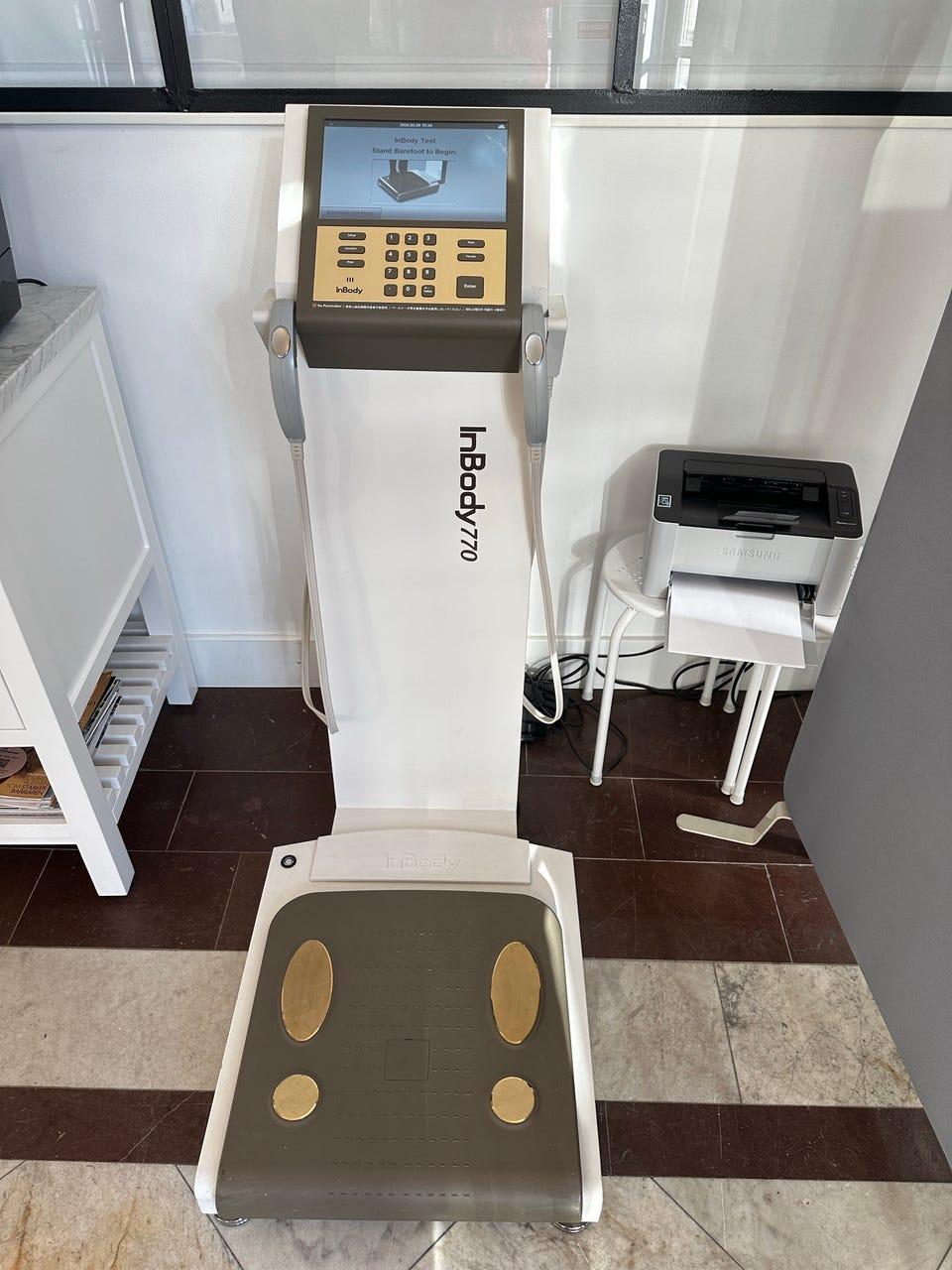
The Bioimpedance Analyzer market is attracting increasing investment attention as healthcare providers, fitness organizations, research institutions, and wellness companies seek more accessible methods for assessing body composition and physiological parameters. Bioimpedance analysis uses low-level electrical currents to evaluate characteristics such as body fat, lean mass, total body water, and related metrics. The technology has evolved from basic standalone devices into sophisticated systems that combine multiple frequencies, advanced sensors, software analytics, and connected health platforms.
From an investment perspective, the market offers opportunities across medical diagnostics, preventive healthcare, sports performance, nutrition management, and digital health. However, investors must evaluate technology differentiation, regulatory requirements, reimbursement conditions, competitive positioning, and customer adoption before committing capital.
Investment Appeal of Bioimpedance Analyzer Market
One of the strongest investment attractions is the broadening use of body composition analysis beyond traditional clinical environments. Hospitals and specialist clinics continue to represent important customers, while gyms, sports centers, nutrition clinics, research laboratories, and wellness facilities are creating additional demand.
The shift toward preventive healthcare also supports long-term investment potential. Healthcare systems are increasingly interested in monitoring health indicators before conditions become more serious. Bioimpedance analyzers can contribute to this approach by providing measurements that complement conventional assessments.
Another attractive characteristic is the technology's scalability. Manufacturers can develop entry-level devices for consumer and fitness applications while offering sophisticated multi-frequency systems for hospitals and research organizations. This creates opportunities for companies to address multiple price points and customer segments.
Key Areas for Investment
Investment opportunities exist throughout the Bioimpedance Analyzer value chain. Device manufacturing remains a central area, particularly for companies capable of improving measurement accuracy, portability, durability, and ease of use.
Software represents another important opportunity. Modern analyzers increasingly depend on algorithms to transform raw electrical measurements into actionable information. Investments in data analytics, cloud platforms, artificial intelligence, and interoperability can help manufacturers move from selling hardware toward providing recurring digital services.
Sensor technology also deserves attention. Improvements in electrode design, signal processing, and measurement techniques can enhance consistency and user experience. Companies developing proprietary technologies may establish stronger competitive positions than manufacturers competing primarily on hardware prices.
Distribution and service networks provide additional investment opportunities. International expansion requires local sales channels, technical support, training, and maintenance capabilities. Businesses that combine strong products with reliable service infrastructure can build durable customer relationships.
Clinical Healthcare Investment Potential
Clinical applications remain one of the most significant areas for long-term investment. Hospitals and specialized healthcare facilities can use body composition measurements in areas such as nutrition assessment, rehabilitation, chronic disease management, and patient monitoring.
Investors should pay particular attention to manufacturers developing systems designed for professional clinical workflows. Devices that integrate with electronic health records, hospital information systems, and other diagnostic technologies may have stronger adoption potential.
Clinical customers typically demand high reliability and consistent results. Consequently, companies investing in validation, quality management, regulatory compliance, and professional training may be better positioned to compete in this segment.
Sports and Fitness Opportunities
The sports and fitness segment offers a different investment profile. Professional athletes, trainers, gyms, and performance centers increasingly value quantitative information that can support training and nutrition decisions.
Portable and user-friendly analyzers may benefit from this trend. Investors can also consider businesses combining bioimpedance measurements with mobile applications, fitness platforms, personalized nutrition programs, and connected wearable ecosystems.
The commercial opportunity is particularly interesting because fitness customers may accept subscription-based services. This creates potential recurring revenue beyond the initial hardware purchase.
Consumer Health and Wellness
Consumer-oriented health monitoring is creating another potential growth pathway. Individuals are increasingly interested in tracking body composition and changes associated with exercise, nutrition, and lifestyle programs.
Consumer devices generally compete on affordability, convenience, design, connectivity, and ease of interpretation. Investment in this segment therefore requires a different strategy from clinical equipment.
Companies that can make measurements simple while communicating limitations responsibly may gain stronger consumer trust. Integration with smartphones and health applications can further improve engagement and encourage repeated use.
Technology Differentiation
Technology differentiation is a critical investment consideration. Basic analyzers may face pricing pressure because hardware components can become increasingly standardized. More sophisticated systems can potentially defend margins through superior measurement capabilities and software.
Multi-frequency analysis, segmental measurement, improved algorithms, automated reporting, wireless connectivity, and cloud-based data management are examples of features that can strengthen product differentiation.
Artificial intelligence may also influence future development. Advanced algorithms could help identify patterns across longitudinal measurements and provide more useful interpretation. Nevertheless, investors should distinguish genuine technological advantages from marketing claims that lack meaningful clinical or technical differentiation.
Regional Investment Considerations
Investment opportunities vary across geographic markets. Developed healthcare systems may provide stronger demand for advanced clinical analyzers, while emerging markets can offer opportunities through expanding healthcare infrastructure, fitness participation, and preventive health awareness.
Local regulatory requirements and purchasing practices should be considered before entering a new region. Distribution partnerships can accelerate market access, but investors should assess partner capabilities carefully.
Manufacturers with internationally adaptable platforms may have an advantage because they can modify products, software, documentation, and support structures for different markets without redesigning their entire technology base.
Competitive and Financial Risks
Despite attractive opportunities, investment in the Bioimpedance Analyzer market involves several risks. Competition can intensify as manufacturers introduce lower-cost products and established healthcare technology companies expand into body composition monitoring.
Regulatory compliance can also increase development costs and extend product-launch timelines, particularly for devices intended for medical applications. Investors should evaluate the regulatory classification of products rather than assuming that all bioimpedance analyzers face identical requirements.
Another risk involves measurement variability. Results can be influenced by factors such as hydration, recent food intake, physical activity, body position, and measurement conditions. Companies that fail to communicate these limitations or establish reliable measurement protocols may encounter customer dissatisfaction.
Price sensitivity represents another concern, especially in fitness and consumer segments. If products become commoditized, manufacturers may experience declining margins unless they differentiate through software, services, brand strength, or specialized applications.
Business Models and Revenue Potential
The Bioimpedance Analyzer market supports several business models. Traditional equipment sales remain important, particularly for hospitals, laboratories, and fitness facilities.
However, recurring revenue models may become increasingly attractive. Companies can generate additional income through software subscriptions, analytics platforms, maintenance contracts, data management services, consumables, professional training, and extended warranties.
A hybrid hardware-and-software strategy can improve customer retention because users become integrated into a broader technology ecosystem rather than simply purchasing a standalone device.
Investment Priorities
Investors evaluating opportunities should examine several factors. Product accuracy and validation should be considered alongside manufacturing scalability. Companies with strong intellectual property, established distribution networks, and recurring revenue streams may offer greater strategic resilience.
Research and development capability is also important. The market is evolving alongside digital health, wearable technology, remote monitoring, and personalized healthcare. Businesses that continuously improve their platforms may be better positioned than those relying on a single hardware product.
Customer concentration should also be reviewed. Heavy dependence on one market segment or a small number of distributors can create financial vulnerability. A diversified customer base across clinical, fitness, research, and wellness applications can provide greater stability.
Future Investment Outlook
The investment outlook for the Bioimpedance Analyzer market is supported by several converging trends: preventive healthcare, personalized wellness, sports performance monitoring, digital health adoption, and demand for convenient quantitative measurements.
Future opportunities are likely to extend beyond measuring body composition. Connected platforms could enable longitudinal monitoring, remote assessment, personalized recommendations, and integration with broader healthcare ecosystems.
The most compelling investment opportunities are therefore likely to involve companies that combine dependable measurement technology with software, analytics, connectivity, and specialized applications. Hardware alone may remain competitive, while integrated solutions can potentially create stronger customer relationships and recurring revenue.
Conclusion
The Bioimpedance Analyzer market presents a diverse investment landscape spanning medical diagnostics, fitness, sports, research, nutrition, and consumer wellness. Its investment potential is strengthened by the growing emphasis on preventive care and data-driven health management.
However, successful investment requires more than identifying demand growth. Investors should examine technological differentiation, regulatory readiness, product validation, business models, competitive intensity, and regional expansion capabilities.
Companies that successfully integrate accurate measurement, intuitive software, connected platforms, and application-specific solutions may be positioned to capture the market's longer-term opportunities. As healthcare increasingly shifts toward continuous monitoring and personalized insights, the Bioimpedance Analyzer market can become an important component of the broader digital health and preventive care ecosystem.
Learn more: https://www.pristinemarketinsights.com/bioimpedance-analyzer-market-report