Common Biopsy Procedures for Diagnostic Use in Dubai: Types, Process, and Where to Get Them
-

- February 23rd, 2026
- 1,484 views
Biopsy for Diagnosis Purposes in Dubai is a common clinical step when tissue or cells need to be examined to identify infection, inflammation, benign growths, or cancer. Health care providers use a range of biopsy techniques matched to the organ, location, and diagnostic question. Understanding types of biopsies, how samples are processed, and regulatory oversight can help patients know what to expect.
- Common biopsy types in Dubai include fine-needle aspiration, core needle, excisional/incisional, punch, and image-guided biopsies.
- Most procedures are performed under local anesthesia; some require sedation or general anesthesia.
- Samples go to pathology for histology, cytology, immunohistochemistry, and molecular testing.
- Healthcare facilities and labs operate under regulatory frameworks such as the Dubai Health Authority and the UAE Ministry of Health.
Biopsy for Diagnosis Purposes in Dubai: Overview of common types
Fine-needle aspiration (FNA)
Fine-needle aspiration uses a thin needle to extract cells or fluid from a lump or mass. It is often used for thyroid nodules, superficial lymph nodes, and some breast lumps. Cytology evaluates the cell sample; results can be rapid but may be limited if tissue architecture is needed.
Core needle biopsy
Core needle biopsy removes a small cylinder of tissue using a larger needle. This preserves tissue architecture and is frequently used for breast, liver, kidney, and soft tissue lesions. Core biopsies enable histopathology and additional tests such as immunohistochemistry or molecular assays.
Excisional and incisional biopsies
An excisional biopsy removes the entire lesion or mass, while an incisional biopsy takes a representative portion. These are common when complete removal is feasible or when a larger tissue sample is required for definitive diagnosis.
Punch biopsies and skin sampling
Punch biopsies sample full-thickness skin using a circular blade. They are used for dermatology conditions, rashes, and suspected skin cancers. Superficial shave biopsies may be used for certain lesions.
Image-guided biopsies (ultrasound, CT, MRI)
When lesions are deep or not palpable, interventional radiologists perform image-guided biopsies using ultrasound, computed tomography (CT), or magnetic resonance imaging (MRI) guidance. These approaches are common for liver, lung, kidney, bone, and deep soft-tissue lesions.
Stereotactic and vacuum-assisted breast biopsy
Stereotactic biopsy uses mammographic imaging to target microcalcifications or lesions in the breast. Vacuum-assisted devices can remove larger samples through a single incision and reduce the need for open surgery for diagnostic purposes.
Bone marrow and lymph node biopsies
Bone marrow aspiration and biopsy obtain marrow cells for hematologic disorders. Excisional lymph node biopsy can be necessary when FNA is inconclusive for lymphoma or other systemic diseases.
How biopsies are performed and how samples are processed
Preparation and consent
Before a biopsy, clinicians review imaging, medical history, medications (especially anticoagulants), and obtain informed consent. Instructions often include fasting for procedures requiring sedation and guidance on bleeding risk.
Procedure steps
Most biopsies use local anesthesia; some require sedation or general anesthesia. Image guidance may be used for accuracy. The operator aims to obtain an adequate sample while minimizing complications such as bleeding or infection.
Pathology processing and reporting
Specimens are sent to a histopathology or cytology laboratory. Standard processing includes fixation, embedding, staining (H&E), microscopic examination, and, if indicated, immunohistochemistry or molecular testing for genetic markers. Turnaround times vary from a day for rapid cytology to several days for full histology and ancillary tests.
Where to get biopsy services and regulatory oversight
Facilities and specialists
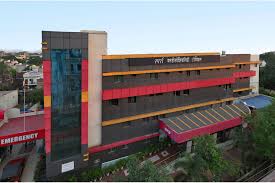
Biopsies are offered in hospitals, specialized clinics, outpatient procedure centers, and radiology suites. Specialists involved include surgeons, interventional radiologists, dermatologists, and pathologists. Accredited laboratories provide histopathology and molecular diagnostics.
Regulation, accreditation and quality
Healthcare facilities and laboratories in Dubai operate under regulatory frameworks such as the Dubai Health Authority (DHA) and the UAE Ministry of Health and Prevention (MOHAP). Accreditation by national or international bodies helps ensure laboratory quality and reporting standards. For official information, see the Dubai Health Authority website: https://www.dha.gov.ae.
Risks, recovery and additional considerations
Common risks
Risks include bleeding, infection, pain at the biopsy site, and, rarely, damage to surrounding structures. Risk level depends on the biopsy type and the organ involved. Facilities have protocols for managing complications.
Recovery and results
Recovery usually involves short-term wound care and activity modification. Results may prompt further testing, treatment planning, or surveillance. When needed, second-opinion review of pathology slides is available through accredited pathology services.
Cost and insurance
Costs vary by facility, procedure type, and whether additional laboratory or molecular tests are required. Insurance coverage differs by policy; verification with the insurer and facility is recommended before a scheduled procedure.
When to ask for more information
Ask the care team about the expected sample type, potential need for additional tests, timeline for results, and contact details for result follow-up. Clear communication helps align expectations.
Frequently asked questions
What does Biopsy for Diagnosis Purposes in Dubai involve?
This typically involves selecting the most appropriate biopsy technique for the suspected condition, performing the procedure under local or general anesthesia as required, and sending samples to a pathology laboratory for histology, cytology, and any needed molecular testing. Local protocols and regulations guide consent, safety, and reporting.
How long do biopsy results take?
Simple cytology results can be available within 24–48 hours; histology commonly takes several days. Additional tests such as immunohistochemistry or molecular profiling can add days to weeks depending on complexity.
Are biopsies safe?
Biopsies are generally safe when performed by trained clinicians in appropriate settings. Complications are uncommon but can include bleeding, infection, or injury to nearby structures. Facilities follow infection control and safety guidelines to reduce risks.
Can a biopsy be avoided with imaging alone?
Imaging provides important information but cannot always replace tissue diagnosis. Biopsy remains the gold standard for diagnosing many conditions, including most cancers and certain infections or inflammatory diseases.
How to get a second opinion on biopsy results?
Request a formal slide review or consult a specialist pathologist through accredited laboratories or referral networks. Many institutions provide second-opinion services, especially for complex or rare diagnoses.