How Blood Facials Are Transforming Skin Care in Dubai: PRP, Microneedling, and Safety
-
- February 23rd, 2026
- 1,322 views
Blood facials have become a frequently searched skin treatment in Dubai, combining platelet-rich plasma (PRP) with microneedling or injection techniques to encourage collagen production and skin renewal. Interest centers on the potential for reduced fine lines, improved texture, and a more even complexion while using the patient’s own blood components.
- Blood facials use platelet-rich plasma (PRP) derived from a small blood sample to support skin repair.
- Commonly combined with microneedling, injections, or topical applications to stimulate collagen and growth factors.
- Benefits can include improved texture, reduced scarring, and brighter skin; effects vary by individual.
- Regulation and provider qualifications matter—refer to the Dubai Health Authority and national regulators for licensed practices.
What is a blood facial?
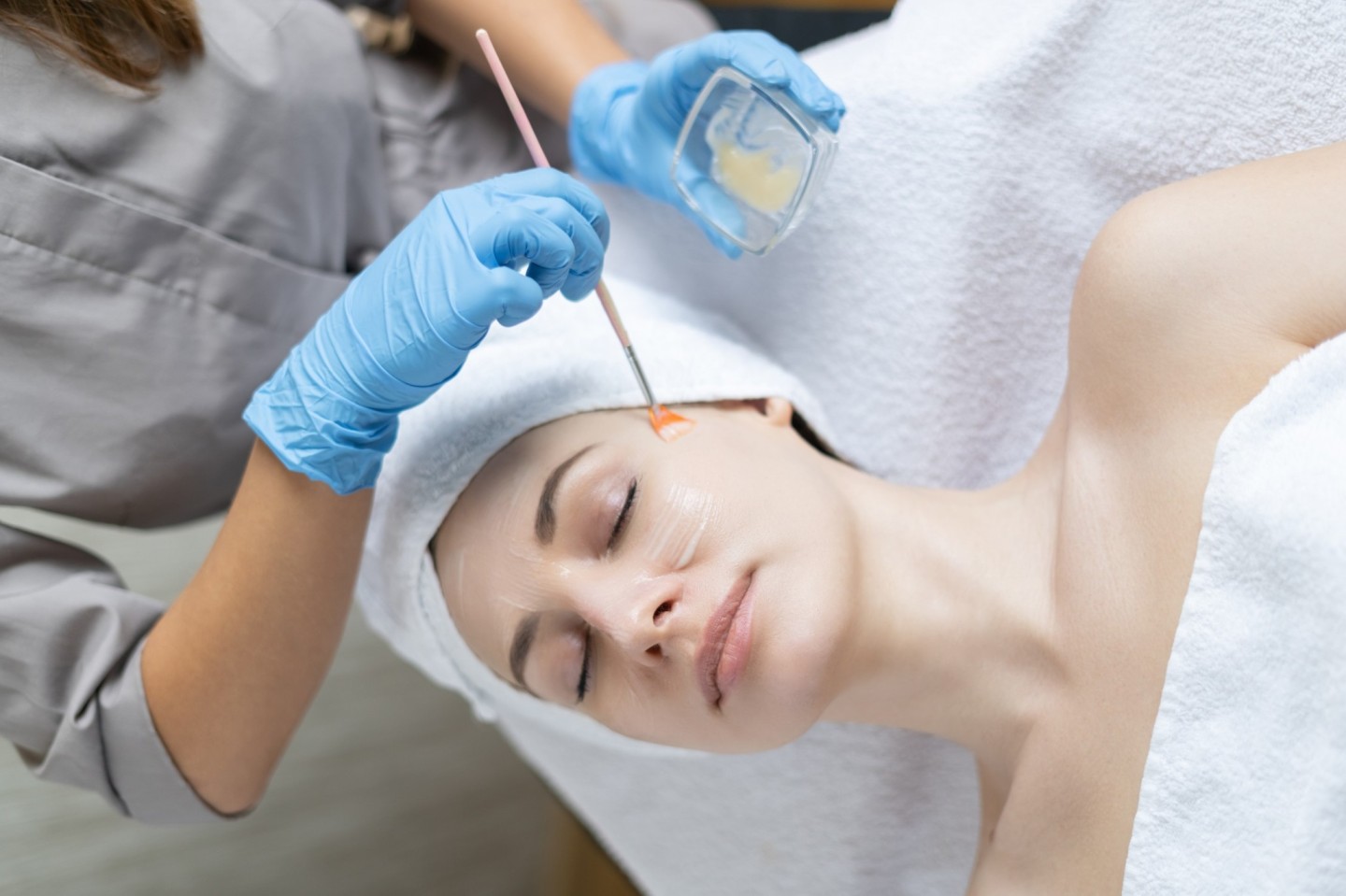
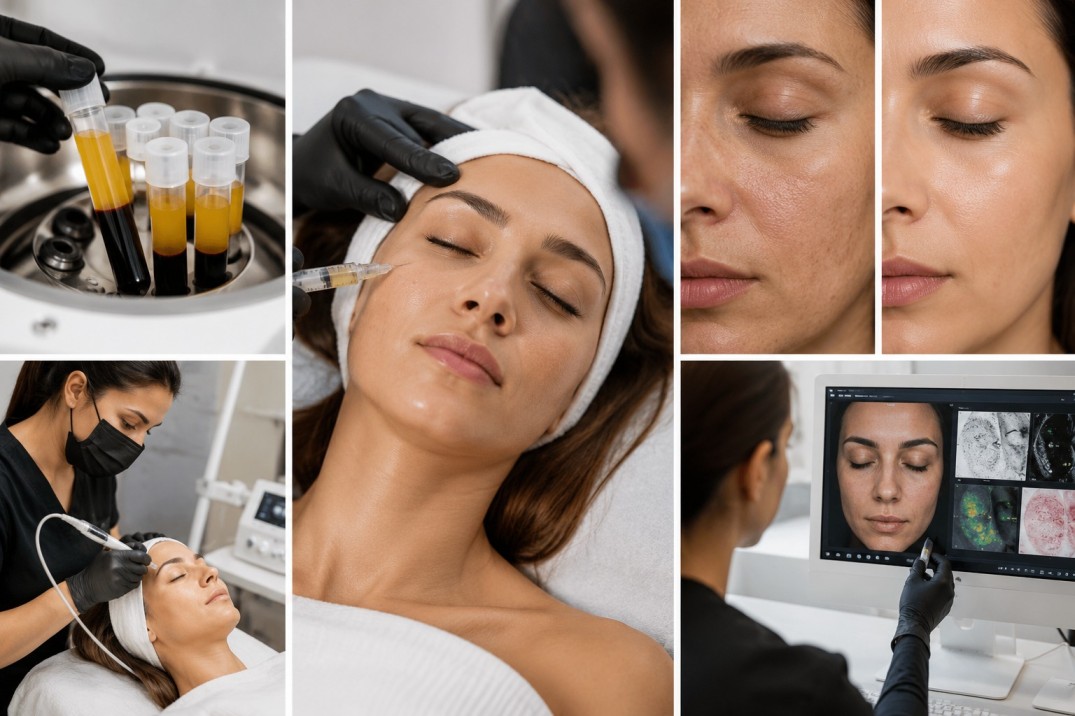
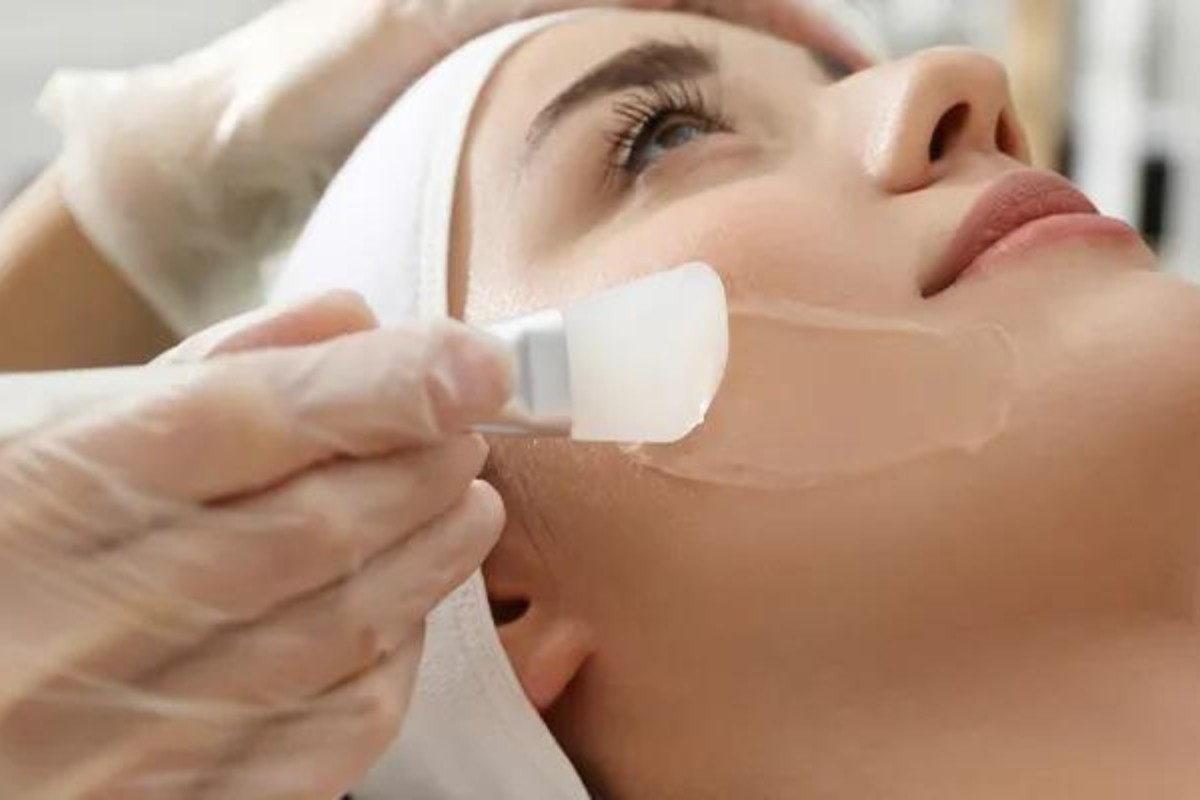
A blood facial is a cosmetic skin procedure that typically uses platelet-rich plasma (PRP), obtained by centrifuging a small sample of the patient’s blood. The concentrated plasma, rich in platelets and growth factors, is applied to the skin either through microneedling channels, superficial injections, or topical application following controlled injury. The goal is to harness biological signaling molecules to promote collagen formation, tissue remodeling, and wound-healing pathways.
How blood facials work
Platelets contain proteins and growth factors such as platelet-derived growth factor (PDGF), transforming growth factor-beta (TGF-β), and vascular endothelial growth factor (VEGF). When PRP is introduced into the superficial dermis, these factors can stimulate fibroblast activity and collagen synthesis. Microneedling creates microchannels in the skin that enhance absorption and trigger a mild wound-healing response; combined with PRP, the response aims to improve skin tone, thickness, and scarring over multiple sessions.
Common uses and potential benefits
In aesthetic practice, blood facials are used for:
- Reducing the appearance of acne scars and atrophic scarring
- Minimizing fine lines and superficial wrinkles
- Improving skin texture, hydration, and overall radiance
- Supporting healing after certain skin procedures
Outcomes depend on factors such as skin type, age, the severity of concerns, and the exact technique used. Multiple sessions spaced weeks apart are often recommended to achieve and maintain results.
Risks, side effects, and limitations
Common, usually temporary side effects include mild swelling, redness, bruising at injection sites, and transient tenderness. Risks associated with any invasive skin procedure include infection, allergic reactions to topical agents used during the procedure, and unsatisfactory cosmetic outcomes. Because protocols vary, some clinics use anticoagulants, topical anesthetics, or additional biologic products; those variables influence both effect and risk.
Evidence quality varies across studies. While some clinical trials and dermatology reports show improvements in scarring and texture, results are not guaranteed and can differ widely. For evidence summaries and clinical guidance, professional dermatology associations and peer-reviewed literature are useful reference points.
Regulation and choosing a clinic in Dubai
Choosing a licensed provider is important. In Dubai, clinics and practitioners providing aesthetic procedures should comply with standards from the Dubai Health Authority (DHA) and national licensing bodies such as the UAE Ministry of Health and Prevention (MOHAP). Confirm the clinician’s qualifications, review before-and-after documentation, and ask about the specific PRP preparation protocol, the centrifuge used, sterility measures, and emergency procedures.
Providers should explain realistic expectations, the number of sessions likely required, cost ranges, and post-procedure care. Procedures performed in medical facilities with appropriate infection-control protocols reduce risk compared with ad hoc settings.
Preparing for a blood facial and aftercare
Pre-procedure instructions often include avoiding certain medications or supplements that increase bleeding risk (as advised by the provider), refraining from heavy alcohol use, and disclosing medical history and any implants or systemic conditions. Aftercare commonly emphasizes sun protection, gentle cleansing, avoiding harsh exfoliants for a short period, and following any topical or oral recommendations provided by the clinic.
Costs and expected timeline
Costs in Dubai vary based on the clinic’s location, provider experience, and the components of the treatment package (e.g., PRP alone, PRP with microneedling, combined resurfacing treatments). Results may begin to appear within several weeks as collagen remodeling progresses and often continue improving over three to six months after a series of sessions. Maintenance treatments are common.
Evidence and professional guidance
Clinical studies provide mixed but growing support for PRP-based treatments in dermatology. For general patient information and professional guidance on platelet-rich plasma and related cosmetic procedures, consult recognized dermatology organizations. Additional information can be found through the American Academy of Dermatology: American Academy of Dermatology. Local regulators such as the Dubai Health Authority and the UAE Ministry of Health and Prevention publish licensing and safety requirements for clinics offering aesthetic treatments.
Questions to ask before booking
- Is the clinic licensed by the Dubai Health Authority or relevant local regulator?
- What are the clinician’s qualifications and experience with PRP and microneedling?
- How is the PRP prepared and what equipment is used?
- What are the expected number of sessions and total cost?
- Are pre-procedure tests or clearance from a medical practitioner required?
FAQ
What are blood facials and how long do results last?
Blood facials use platelet-rich plasma from the patient’s own blood, often combined with microneedling or injections. Initial improvements may appear within weeks, with continued remodeling up to several months. Results vary and maintenance treatments are common.
Are blood facials safe?
When performed by licensed medical professionals in approved facilities, blood facials are generally considered low-risk, but side effects and complications can occur. Verify clinic licensing and provider credentials before treatment.
How many sessions are typically needed?
Many treatment plans recommend several sessions, commonly 2–4 spaced weeks apart, followed by periodic maintenance. The exact number depends on individual goals and the provider’s protocol.
Can blood facials treat acne scars?
Evidence suggests PRP combined with microneedling can improve atrophic acne scars, but outcomes depend on scar type, skin characteristics, and treatment consistency.
Where to verify clinic licensing in Dubai?
Confirm licensing and practitioner registration with the Dubai Health Authority (DHA) or the UAE Ministry of Health and Prevention before undergoing any procedure.