Botox in Dubai Guide: Safety, Costs, Candidates, and What to Expect
-
- February 23rd, 2026
- 2,027 views
Botox in Dubai is a commonly requested cosmetic procedure that uses a neuromodulator derived from botulinum toxin to reduce the appearance of dynamic wrinkles. Interest in non-surgical facial rejuvenation has grown, and many clinics in Dubai offer treatments for forehead lines, frown lines, and crow's feet. This article explains how Botox works, who may be a candidate, safety considerations under local regulation, typical recovery, and cost factors.
- Botox is a temporary neuromodulator commonly used to relax muscles that cause dynamic wrinkles.
- Regulation and licensing in Dubai are overseen by the Dubai Health Authority and other UAE health bodies.
- Candidates should seek licensed practitioners and a medical consultation to discuss goals, risks, and alternatives.
- Side effects are generally mild and short-lived; uncommon complications require prompt medical attention.
Botox in Dubai: How the procedure works and common uses
What is Botox and how does it act?
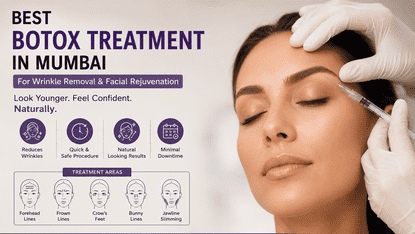
Botox refers to injections of a purified form of botulinum toxin that temporarily reduces activity in targeted facial muscles. By limiting muscle contractions, Botox can soften dynamic lines—wrinkles that appear with facial movement—such as glabellar lines (between the eyebrows), forehead lines, and lateral canthal lines (crow's feet). Results typically emerge within a few days and last several months depending on dose, injection site, and individual response.
Typical treatment areas and objectives
Common treatment areas include the upper face for wrinkle reduction and the lower face for selective muscle reduction. Some licensed practitioners also use neuromodulators for hyperhidrosis (excessive sweating) and certain medical indications. Treatment plans vary by patient anatomy and aesthetic goals.
Choosing a clinic and licensed practitioner
Credentials and regulation
Seek practitioners who are licensed by local regulators and trained in aesthetic injectables. In Dubai, oversight of medical facilities and licensing standards is provided by the Dubai Health Authority. Clinics should follow established injection protocols, sterile technique, and clear informed-consent procedures. International bodies such as the World Health Organization provide general guidance on safe use of biological products; local licensing determines legal practice.
For information on licensing and facility accreditation, consult the Dubai Health Authority: Dubai Health Authority.
Questions to ask before treatment
Important topics for a consultation include the practitioner's training and experience, expected outcomes, alternative treatments, potential side effects, and pre- and post-procedure instructions. A documented medical history and a discussion of medications, allergies, and pregnancy status are standard.
Procedure, recovery, and side effects
What to expect during the appointment
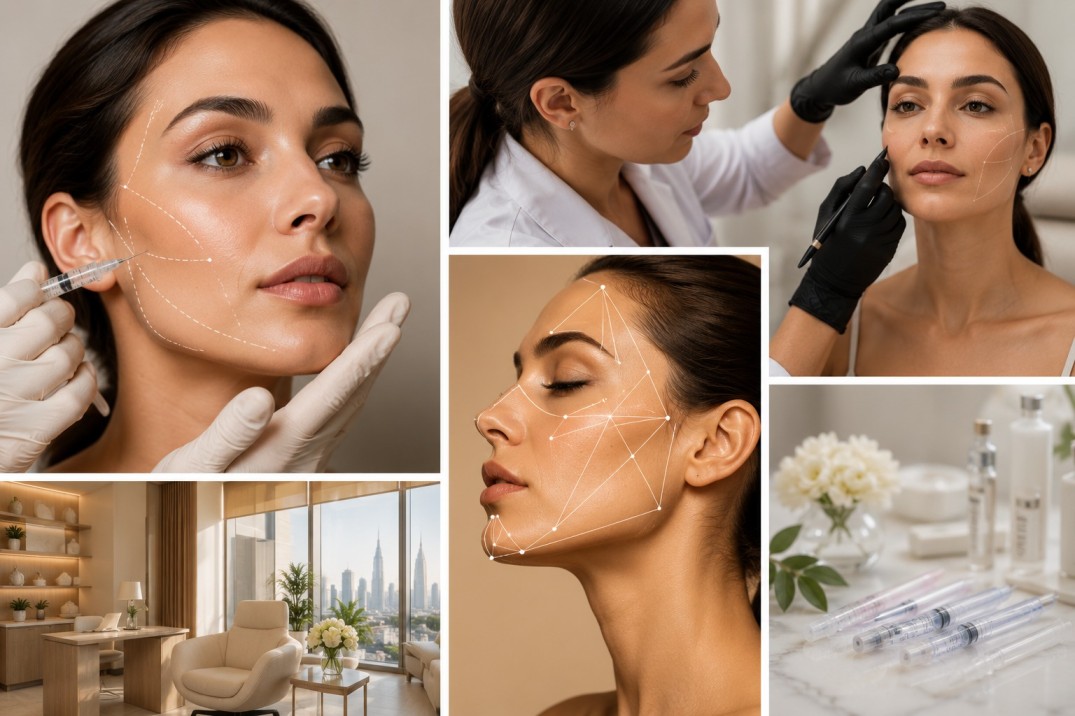
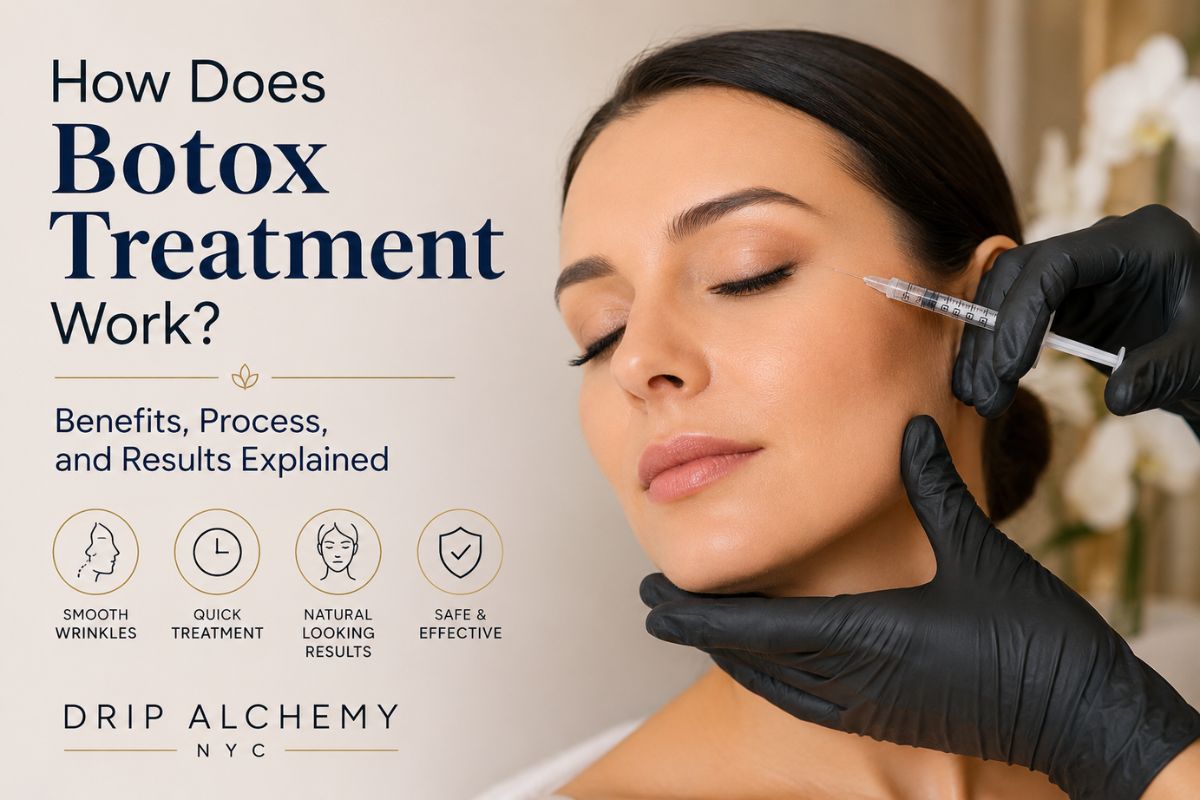
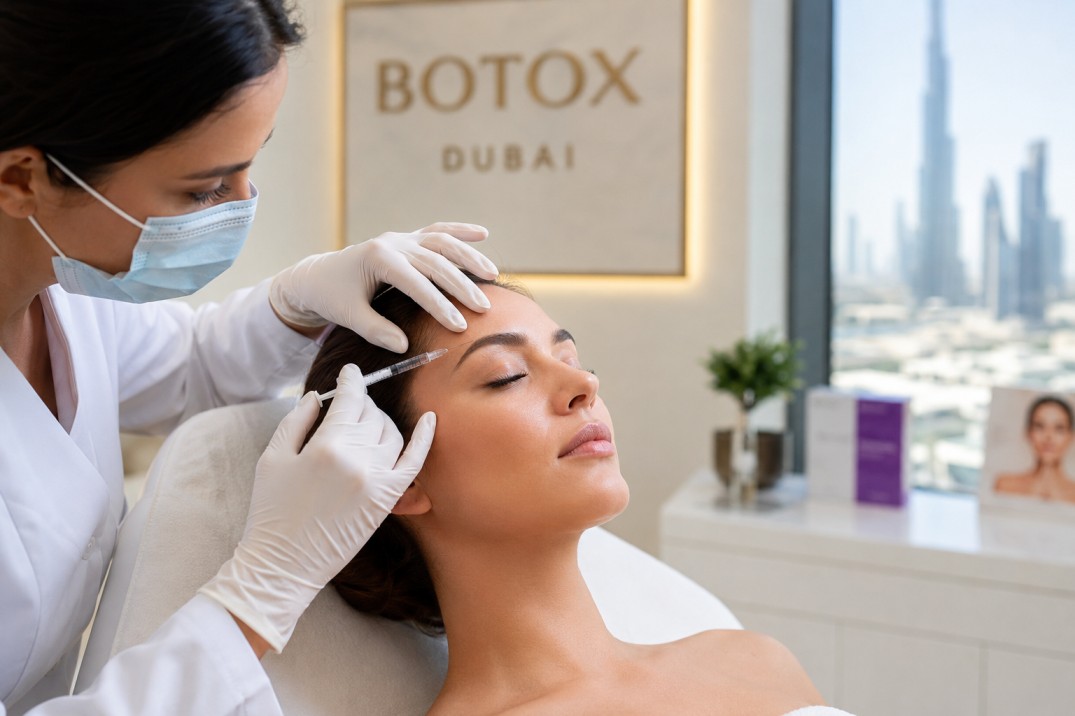
A typical session involves marking treatment areas, cleaning the skin, and injecting small amounts of product with fine needles. Procedures are usually brief and performed in an outpatient clinic setting. No general anesthesia is required; topical anesthetic or ice may be used for comfort.
Common and uncommon side effects
Common side effects include transient redness, swelling, bruising, and mild discomfort at injection sites. Headache or temporary eyelid or eyebrow droop can occur but are usually temporary. Serious complications are uncommon; they can include infection, migration of the product causing unintended muscle weakness, or allergic reaction. Any unexpected or progressive symptoms should prompt contact with the treating clinic or local emergency services.
Recovery and follow-up
Most patients resume normal activities immediately with simple precautions (avoid rubbing treated areas, strenuous exercise for 24 hours). Full effect generally appears over 7–14 days. Many clinics schedule a follow-up to assess outcomes and discuss maintenance treatments.
Costs, frequency, and practical considerations
Factors influencing cost
Cost varies by clinic, practitioner experience, number of units required, and treatment area. Prices may also reflect facility quality and regional demand. Cost estimates are typically provided after a consultation that outlines a customized treatment plan.
Treatment frequency and maintenance
Results commonly last 3–6 months. Maintenance schedules depend on individual metabolism and desired appearance. Some patients receive repeat treatments two to four times per year.
Safety, regulation, and patient rights
Local regulation and reporting
Health authorities in the UAE have standards for licensing practitioners and clinics. Patients have the right to verify practitioner credentials and facility accreditation. Adverse events can be reported to local health authorities; ambitious clinics will provide written aftercare instructions and clear pathways for follow-up.
Evidence and professional guidance
Clinical literature and regulatory guidance from health agencies describe indications, dosing ranges, and safety profiles of neuromodulators. Practitioners should follow evidence-based protocols and align care with guidance from recognized medical organizations.
When to seek medical attention
Seek prompt evaluation for signs of infection (increasing pain, spreading redness, fever), sudden vision changes, breathing difficulty, or progressive weakness beyond the injection site.
Preparing for a consultation
Documentation and expectations
Bring a list of medications, recent medical history, and any prior aesthetic treatment records. Discuss realistic expectations, photo documentation, and a plan for follow-up.
Alternative and complementary options
Non-invasive alternatives include topical agents, laser resurfacing, and dermal fillers for volume loss. A comprehensive consultation should compare risks and benefits of different approaches.
Frequently asked questions
Is Botox in Dubai safe?
When performed by a licensed practitioner in an accredited facility and following established protocols, Botox is generally considered safe. Local regulation, practitioner credentials, and adherence to sterile technique are important safety factors.
How long do results typically last?
Results commonly last 3 to 6 months. Individual responses vary; maintenance treatments are often scheduled several times per year.
Will the procedure be painful?
Discomfort is usually mild and brief. Topical anesthetic, ice, or small-gauge needles can improve comfort during injections.
How to verify a clinic's licensing and practitioner credentials?
Ask to see licenses, certifications, and clinic accreditation. Confirm registration with local health authorities and request information about training in injectable procedures.
What are the possible side effects and complications?
Common side effects include temporary redness, swelling, and bruising. Uncommon complications include infection, unintended muscle weakness, or allergic reaction. Report serious or progressive symptoms to the treating clinic or local health authority immediately.
How much does Botox cost in Dubai?
Costs vary depending on treatment scope, number of units, and practitioner experience. Obtain a personalized quote after a consultation that outlines the proposed treatment areas and expected units.