Botulinum Toxin in Dubai: A Practical Guide to Non-Surgical Facial Refresh
-
- February 23rd, 2026
- 1,080 views

Get a free topical map and start building content authority today.
Botulinum toxin in Dubai is a commonly used non-surgical treatment for reducing the appearance of dynamic facial lines and refreshing facial expressions. This guide explains how the treatment works, typical treatment areas, regulatory context in the UAE, practical expectations for appointments and recovery, and factors to consider when choosing a clinic.
- Botulinum toxin temporarily reduces muscle activity to soften dynamic wrinkles.
- Treatments are outpatient, usually completed in 10–30 minutes with minimal downtime.
- Look for licensed clinicians and facilities regulated by local health authorities.
- Effects typically last 3–6 months; repeat treatments required to maintain results.
Overview of Botulinum Toxin in Dubai
Botulinum toxin is a term for injectable neurotoxins used to reduce muscle activity in targeted areas of the face. In Dubai, services offering cosmetic botulinum toxin are available at private clinics, medical aesthetic centers, and dermatology practices. Regulatory oversight for healthcare facilities and licensed practitioners is provided by national and emirate-level bodies, which set standards for training, facility safety, and product sourcing.
How Botulinum Toxin Works
Mechanism
Botulinum toxin blocks nerve signals that cause targeted muscles to contract. When muscle movement is reduced, overlying skin appears smoother and dynamic lines—such as frown lines or crow’s feet—become less visible. The treatment is localized and reversible as nerve function gradually returns over several months.
Typical Onset and Duration
Onset of effect is usually within a few days, with full results apparent in about one to two weeks. Duration varies between individuals and treatment areas but commonly ranges from three to six months. Repeat injections are needed to maintain the effect.
Common Treatment Areas and Goals
- Glabellar lines (between the eyebrows)
- Forehead lines
- Crow’s feet (outer eye lines)
- Perioral lines and chin dimpling (in some cases)
- Neck bands (platysmal bands) and non-cosmetic medical indications in clinical settings
Goals range from subtle refreshment and reduction of hyperactive muscle contractions to more defined aesthetic changes. Treatment planning is individualized based on facial anatomy, movement patterns, and patient preferences.
Choosing a Clinic and Practitioner in Dubai
Licensing and Regulation
Selection of a licensed, experienced clinician and an accredited facility is a key quality consideration. In Dubai and the UAE, health authorities set licensing requirements for practitioners and clinics. For local regulatory information and facility listings, consult the Dubai Health Authority website.
Questions to Ask Before Treatment
- Qualifications and licensure of the practitioner performing injections
- Where products are sourced and how they are stored
- Details of what the appointment includes (assessment, injection, aftercare)
- Possible side effects and how the clinic manages complications
What to Expect During a Visit
Consultation
A consultation typically involves a medical and cosmetic history, review of current medications, and an assessment of facial movement. A treatment plan is discussed, including expected outcomes and potential risks.
Procedure and Recovery
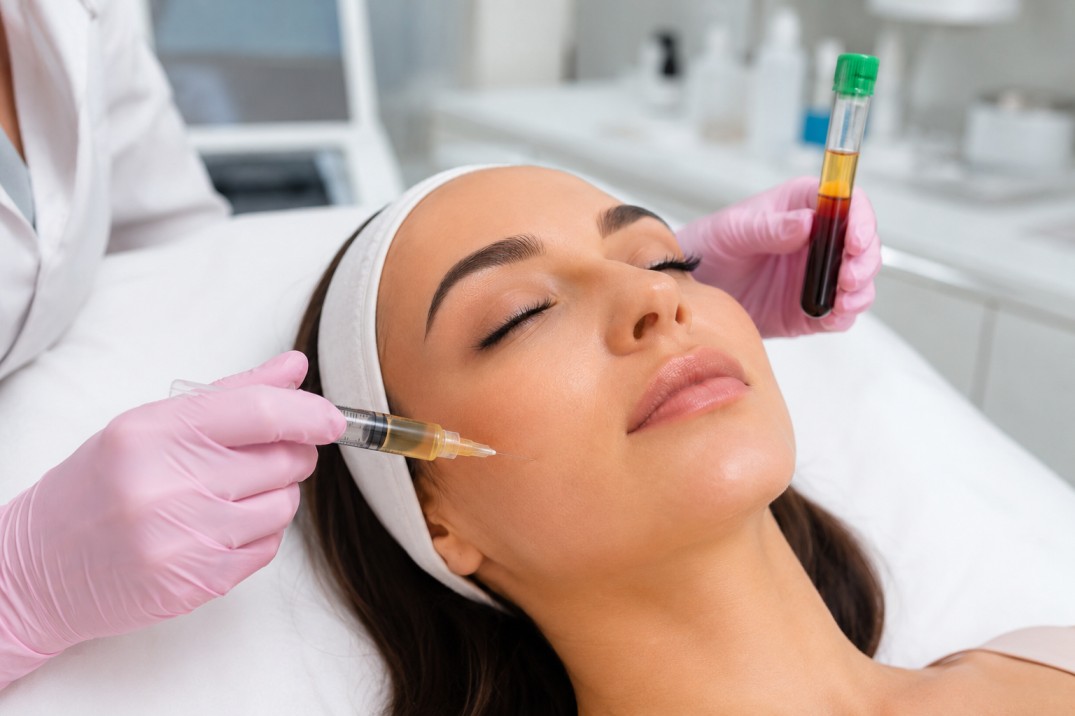
Injections are usually performed in-clinic with topical antisepsis. The procedure often takes under 30 minutes depending on the number of sites treated. Most people resume normal activities immediately, with instructions to avoid rubbing treated areas, heavy exercise, or lying flat for several hours after injections. Temporary bruising, redness, or mild swelling can occur.
Safety, Risks, and Aftercare
Common Side Effects
Common, usually transient effects include injection-site pain, bruising, headache, and mild localized weakness. More serious adverse events are rare but can include unintended muscle weakness or drooping eyelids. Any unexpected or persistent symptoms should be reported promptly to the treating clinic.
Regulatory and Evidence Context
Botulinum toxin products have been studied in clinical trials for specific indications, and product approvals vary by jurisdiction. National regulators and professional organizations publish safety guidance and best practices; clinicians should follow relevant local regulations and clinical guidelines.
Cost Considerations
Cost varies by clinic, practitioner experience, treatment area, and number of units used. Pricing in Dubai can reflect clinic location and clinician expertise. Clinics commonly provide a cost estimate during consultation.
Alternatives and Complementary Treatments
Dermal fillers, skin resurfacing procedures, and skincare regimens address different aspects of facial aging, such as volume loss and skin texture. A licensed clinician can discuss how combinations of approaches may align with aesthetic goals.
Final Notes
Choosing a qualified practitioner and an accredited facility reduces risks and supports realistic expectations. Treatment plans should be individualized and based on a clinical assessment. For the most current regulatory information in Dubai, consult the relevant health authority.
FAQ
How long does Botulinum toxin in Dubai typically last?
Effects commonly last three to six months, though individual response varies. Repeat treatments are required to maintain results.
Is the procedure painful?
Discomfort is usually minimal and brief. Some clinics offer topical numbing if needed. Mild soreness or bruising can occur at injection sites.
What are the main risks and side effects?
Common side effects include temporary injection-site reactions, headache, or localized weakness. More significant complications are uncommon; licensed practitioners follow protocols to minimize risk.
How to choose a safe clinic in Dubai?
Check practitioner credentials, clinic licensing, product handling procedures, and patient reviews. Confirm the facility adheres to local health authority standards and offers clear information about aftercare and complication management.
Can botulinum toxin be combined with other cosmetic treatments?
Yes. Combining treatments such as dermal fillers or skin resurfacing may address different concerns. A qualified practitioner can recommend an integrated approach based on assessment and goals.