BSc Full Form: Bachelor of Science Explained — Degrees, Duration, and Careers
-

- Published Updated
- 1,476 views
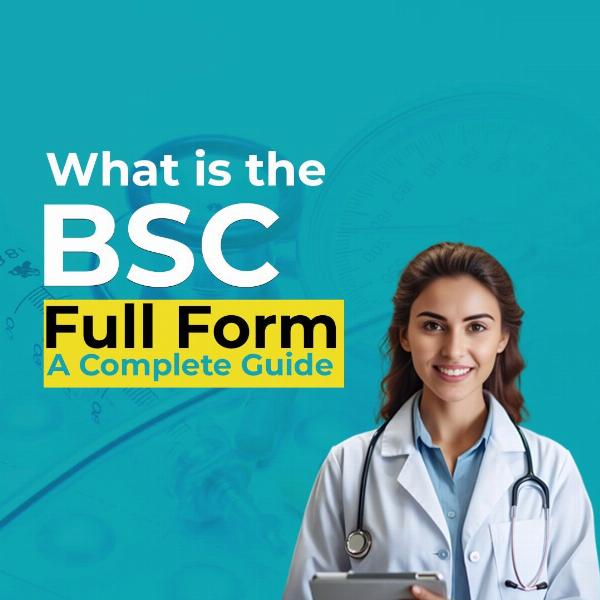
The BSc full form Bachelor of Science denotes an undergraduate academic degree awarded in many countries for study in science, technology, engineering, mathematics, and related applied fields. This article outlines what the degree signifies, common specializations, typical program structure, accreditation considerations, and likely career and further-study pathways.
- The BSc (Bachelor of Science) is usually a 3–4 year undergraduate degree focusing on scientific or technical subjects.
- Common specializations include biology, chemistry, physics, computer science, mathematics, engineering disciplines, and environmental science.
- Program length and credit requirements vary by country and accreditation system; verify program recognition with national regulators or quality assurance agencies.
- BSc graduates pursue careers in industry, research, education, healthcare-related roles, or continue to postgraduate study.
What is the BSc full form Bachelor of Science?
The BSc full form Bachelor of Science is an academic degree awarded after completion of an undergraduate program that emphasizes theoretical knowledge and practical skills in scientific fields. Traditionally, the curriculum combines subject-specific coursework, laboratory or fieldwork, and often a final-year project or dissertation. Programs may be delivered on-campus, online, or in blended formats and can be tailored toward research, professional practice, or applied technology.
Common BSc specializations and subject areas
Many universities offer Bachelor of Science programs across a wide range of disciplines. Typical specializations include:
- Natural sciences: biology, chemistry, physics, earth sciences
- Mathematical and computational sciences: mathematics, statistics, computer science, data science
- Engineering and applied technologies: electrical, mechanical, civil, chemical engineering (often labeled BEng in some systems)
- Health and environmental sciences: biomedical science, public health, environmental science, ecology
- Interdisciplinary and emerging fields: biotechnology, artificial intelligence, materials science, renewable energy
Duration, structure, and accreditation
Typical duration for a BSc program is 3 to 4 years of full-time study, though some countries have variations (for example, 3-year programs in many European countries under the Bologna Process, and 4-year programs in parts of North America). Program structure normally includes core modules, elective courses, laboratory sessions, and a capstone project or honours thesis in the final year.
Accreditation and recognition are important when choosing a program. National quality assurance agencies, professional bodies, and regional regulators set standards for degree programs. In many jurisdictions, official guidance and higher education frameworks are provided by national ministries of education or international frameworks such as the European Higher Education Area. For a global overview of higher education systems and quality assurance, consult resources from organizations like UNESCO: UNESCO on higher education.
Admission requirements and costs
Admission criteria for a Bachelor of Science vary by institution and country. Common requirements include completion of secondary education with relevant subject marks (for example, mathematics and science subjects), standardized test scores in some systems (such as SAT or national entrance exams), and proof of language proficiency for programs taught in a foreign language. Some programs may require interviews, portfolios, or entrance assessments.
Costs also vary widely: public universities may charge lower tuition for domestic students, while international students often pay higher rates. Additional costs can include laboratory fees, materials, and living expenses. Prospective students should review financial aid, scholarships, and student loan options through official university and government financial aid offices.
Career outcomes and further study
A BSc degree can lead directly to employment in laboratories, technology firms, engineering consultancies, environmental agencies, biotech companies, IT companies, and other sectors. Graduates often find roles such as research assistant, laboratory technologist, data analyst, software developer, environmental consultant, or quality assurance specialist.
Many BSc holders pursue postgraduate degrees—Master of Science (MSc), professional qualifications, or doctoral study (PhD)—to specialize further or to access research and higher-level professional roles. Professional accreditation by bodies in medicine, engineering, or accounting may also be necessary for regulated careers; check the relevant professional regulator in the target country.
How to choose the right BSc program
When selecting a program, consider these factors:
- Accreditation and recognition by national quality authorities or professional bodies.
- Curriculum content and opportunities for practical experience, internships, or research projects.
- Faculty expertise, laboratory facilities, and industry partnerships.
- Graduate outcomes and employment statistics published by the institution or national education agencies.
- Cost, scholarship availability, and support services for international students if applicable.
Tips for preparing for a BSc program
Prospective students can prepare by strengthening mathematics and science foundations, gaining laboratory or computing experience where possible, and researching specializations that match career goals. Review entrance requirements early and plan required documentation, such as transcripts and language test results.
Frequently asked questions
What is the BSc full form Bachelor of Science?
The BSc full form Bachelor of Science is an undergraduate degree awarded for completing a program focused on scientific, technical, or mathematical disciplines. It typically involves coursework, practical laboratory or fieldwork, and often a final-year project.
How long does a BSc degree take to complete?
BSc degrees commonly take 3 to 4 years of full-time study. The exact duration depends on the country's higher education system, the institution, and whether the program includes co-op placements or extended research components.
Is a BSc the same as a BS?
Yes. BSc (Bachelor of Science) and BS (Bachelor of Science) are equivalent designations used in different countries or institutions to denote the same basic type of undergraduate science degree.
Can a BSc lead to postgraduate study?
Yes. Many BSc graduates progress to postgraduate degrees such as MSc or PhD programs. Admission to postgraduate study often depends on academic performance, relevant research experience, and program prerequisites.
What careers are available after a Bachelor of Science?
Career options include roles in research, technology, engineering, healthcare-related science, data analysis, environmental management, education, and more. Specific pathways depend on the chosen specialization and local professional requirements.
How to verify if a BSc program is accredited?
Verify accreditation by checking the university’s official documentation, national education quality assurance agencies, and relevant professional bodies. Information is typically available on institutional websites or through government higher education departments.