Buy F1 Hybrid Pumpkin Seeds Online: A Practical Guide to High-Yield, Disease-Resistant Varieties
-

- March 03rd, 2026
- 365 views

Get a free topical map and start building content authority today.
Choosing where to buy F1 hybrid pumpkin seeds online is a high-impact decision for growers who want reliable germination, consistent fruit size, and disease resistance. This guide explains what to check when purchasing seeds online, how F1 hybrids differ from open-pollinated seed, and how to compare high-yield, disease-resistant varieties for garden plots, CSA production, or small farms.
- Primary focus: buy F1 hybrid pumpkin seeds online
- Secondary keywords: disease-resistant pumpkin seeds; high-yield pumpkin varieties
- Dominant intent: Transactional
- Quick checklist included: SEED PICK
Buy F1 hybrid pumpkin seeds online: what to look for before checkout
When deciding to buy F1 hybrid pumpkin seeds online, prioritize verified germination rates, clear maturity dates, and transparent disease-resistance descriptions. F1 hybrids are the first-generation cross of two selected parent lines; they typically offer hybrid vigor (improved vigor, uniformity, and resistance traits) but are not suitable for saving seed for future planting if the same traits are required.
How F1 hybrid seeds differ from open-pollinated and heirloom varieties
Key differences
F1 hybrid pumpkin seeds are bred to combine complementary traits—such as powdery mildew resistance, uniform fruit set, and earlier maturity—into a single variety. Open-pollinated and heirloom varieties preserve genetic diversity and can be saved for seed, but they usually offer less uniformity and may lack targeted disease resistance.
Real-world example
Scenario: A market grower in USDA zone 6 wants uniform 18–22 lb carving pumpkins with proven powdery mildew resistance and a 90% germination guarantee. Buying a certified F1 hybrid labeled for powdery mildew resistance reduces field losses and makes harvest and marketing more predictable, compared with planting mixed open-pollinated seed that has variable size and unknown disease tolerance.
Picking a vendor and verifying claims
What to verify on product pages
- Germination rate and test date — look for recent lab testing or vendor-tested figures.
- Days to maturity — matches local growing season length.
- Disease resistance details — specific resistance (e.g., powdery mildew, downy mildew, Fusarium) rather than vague claims.
- Seed count and seed treatment — treated seeds may reduce early damping-off but will affect saving seed.
- Return policy, shipping conditions, and clear country/state of origin.
Climate and seed selection: match variety to site
Use hardiness and maturity information to choose varieties that fit the growing season. Local extension services provide region-specific guidance; the USDA Plant Hardiness Zone Map helps align maturity and frost dates with variety days-to-maturity for predictable results: USDA Plant Hardiness Zone Map.
SEED PICK checklist — a named framework for buying seeds online
Apply the SEED PICK checklist before purchasing:
- Site suitability — days to maturity vs. local frost dates.
- Evaluation of germination and seed lot testing dates.
- Expressed disease resistance — specific pathogens listed.
- Description details — fruit size, vine habit, pollination requirements.
- Production notes — treated vs untreated, open-field vs greenhouse suitability.
- Inventory transparency — seed count and batch code.
- Customer support — agronomic advice, return policy.
- Key logistics — shipping speed, temperature controls, and quarantine rules.
Practical tips for ordering and using F1 hybrid pumpkin seeds
- Order early. Buy seeds several weeks before the intended planting date to allow for shipping or replacement if issues arise.
- Check germination on a small test tray (1–2 dozen seeds) if time allows; a quick wet paper towel test will reveal issues before planting a full bed.
- Choose varieties with explicit disease-resistance codes and cross-check them with local extension disease reports for relevance.
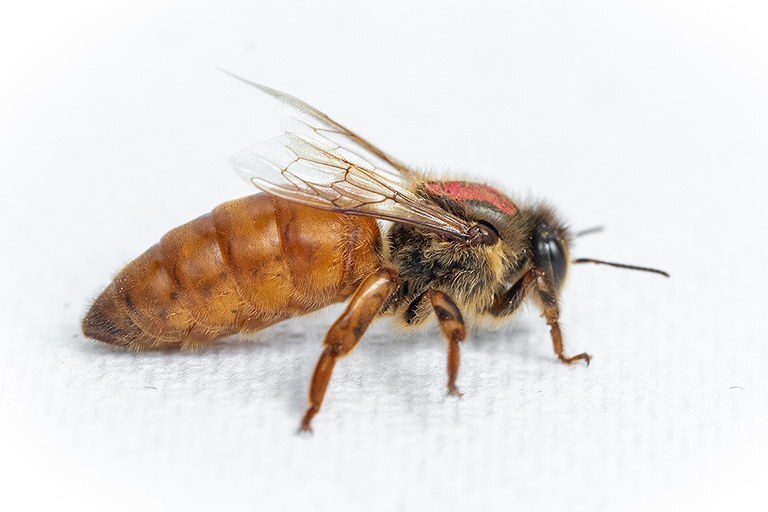
- Plan for pollination: pumpkins need insect pollinators; mix in pollinator-friendly flowers or avoid distant mono-cropping that limits bee access.
Common mistakes and trade-offs
Trade-offs exist between choosing an F1 hybrid and an open-pollinated variety. F1 hybrids provide uniformity and targeted resistance but do not breed true to seed; saving seed will not retain the hybrid traits. Open-pollinated seeds can be saved and adapted to a microclimate but may be less predictable for market or mechanical harvesting.
- Buying solely on price: cheap seed with no germination data risks poor stands and lost time.
- Ignoring pollination needs: very productive varieties can still fail without adequate pollinators.
- Assuming 'disease-resistant' equals 'disease-proof': resistance reduces risk but does not eliminate it; integrated disease management remains necessary.
Comparing high-yield, disease-resistant varieties
When comparing varieties, prioritize these metrics: expected yield per plant or area, days to maturity, and documented resistance traits. For larger-scale production, consider uniform fruit set and synchronous maturity to simplify harvest and reduce labor costs.
Short checklist for variety comparison
- Yield estimate (lbs per plant or per acre)
- Days to maturity
- Resistance ratings (specific diseases)
- Seed count and price per seed
Core cluster questions
- How do germination rates vary between F1 hybrid and open-pollinated pumpkin seeds?
- Which diseases are most important to check for in pumpkin seed descriptions?
- How to match pumpkin days-to-maturity with local frost dates?
- What seed treatments are commonly used for pumpkin seeds and when should they be chosen?
- How does pollination management affect yield in commercial pumpkin plantings?
Final buying checklist before ordering
Use this quick pre-order checklist: verify germination rate and test date, match days-to-maturity to the local season, confirm specific disease resistances, check seed treatment, and read return/shipment terms. Keep a record of lot numbers and batch codes for traceability if a quality issue arises.
FAQ
Can I buy F1 hybrid pumpkin seeds online and expect high germination?
Yes—when the seed listing provides a recent germination test date and percentage, and the seed is shipped under appropriate conditions. Conduct a small germination test on arrival to confirm viability before planting large beds.
Are disease-resistant pumpkin seeds completely immune to common diseases?
No. Disease resistance reduces susceptibility and can significantly lower losses, but integrated practices—crop rotation, sanitation, timely fungicide use when appropriate, and healthy cultural practices—are still essential.
Can F1 hybrid pumpkin seeds be saved and replanted the next season?
Saving seed from F1 hybrids is not recommended if the goal is to retain the hybrid traits. Seed saved from F1 plants will segregate and produce variable offspring. For stable seed-saving, choose open-pollinated or heirloom varieties instead.
How many seeds should be ordered for a trial patch?
For a trial, order enough for at least 50–100 plants to evaluate uniformity and disease performance; this typically means ordering several hundred seeds depending on expected germination and desired final plant count.
What are common shipping or storage mistakes to avoid when buying seeds online?
Avoid leaving seeds in hot mailboxes or uncooled vehicles; extreme heat can reduce viability. Store seeds in a cool, dry place (refrigeration works) and plant within recommended windows for best results.