Skills, Grooming, and Confidence: What to Expect from a Cabin Crew Training Course
-
- April 14th, 2026
- 5,800 views

FREE SEO Topical Map Generator: Find Your Next Content Ideas
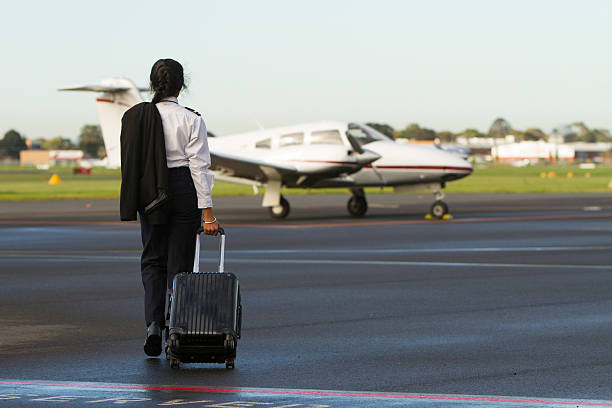
The allure of the aviation industry has always been irresistible. For many, the dream begins with watching aircraft glide across the sky and imagining a career that combines travel, professionalism, and global exposure. Behind the elegance of airline uniforms and warm smiles lies rigorous preparation, discipline, and training. This journey begins with a cabin crew training course, a carefully structured program designed to transform aspiring individuals into confident aviation professionals.
Becoming a flight attendant is not simply about serving passengers. It demands poise under pressure, impeccable communication, and a strong sense of responsibility. A well-designed training program equips candidates with the skills required to manage safety procedures, deliver exceptional service, and represent airlines with grace. This guide explores what students can truly expect from such a course—beyond the glamour and into the heart of the profession.
Understanding the Role of a Cabin Crew Professional
A cabin crew member serves as the face of an airline, ensuring the comfort and safety of passengers throughout the journey. Their role extends far beyond hospitality, encompassing emergency response, customer service, and operational efficiency.
Key Responsibilities of Cabin Crew
● Ensuring passenger safety before, during, and after flights
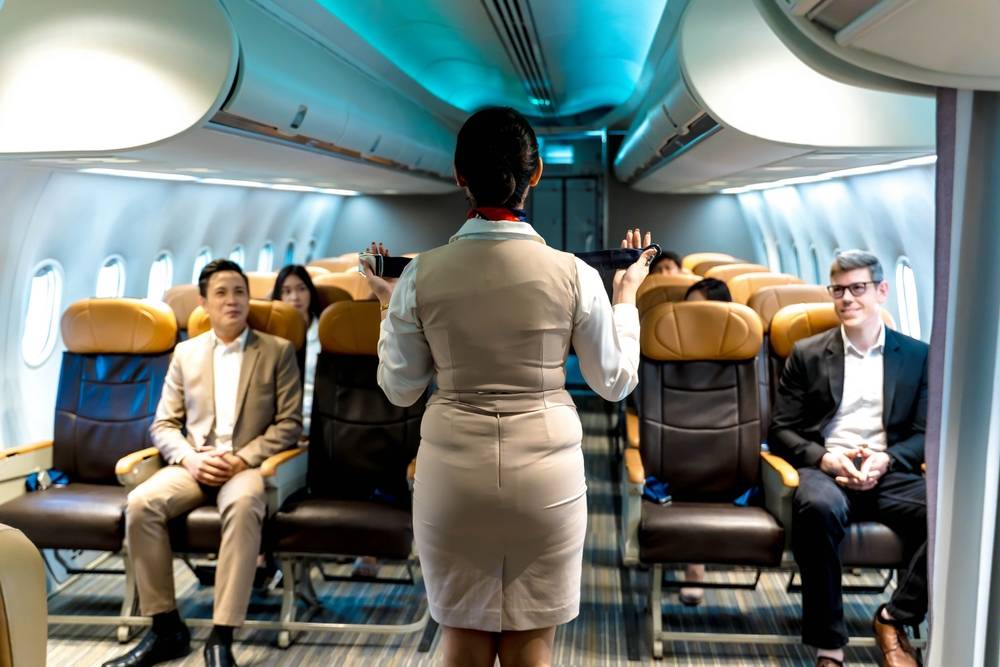
● Conducting pre-flight safety checks and demonstrations
● Providing exceptional onboard service
● Managing emergencies calmly and efficiently
● Assisting passengers with special needs
● Handling conflicts and maintaining a professional environment
● Representing the airline’s brand with confidence and integrity
A comprehensive training program prepares candidates to perform these duties with precision and professionalism.
Core Components of a Cabin Crew Training Program
A structured curriculum is essential for shaping aspiring aviation professionals. Each module is designed to build technical expertise, interpersonal skills, and professional discipline.
Overview of Training Modules
|
Training Module |
Key Learning Outcomes |
|
Aviation Fundamentals |
Understanding airline operations and industry standards |
|
Safety and Emergency Procedures |
Managing onboard emergencies and passenger safety |
|
Grooming and Personality Development |
Enhancing appearance, etiquette, and professionalism |
|
Communication Skills |
Developing clear and confident interaction techniques |
|
Customer Service Excellence |
Delivering world-class passenger experiences |
|
First Aid Training |
Responding to medical emergencies onboard |
|
Hospitality Management |
Learning service etiquette and cultural sensitivity |
|
Interview Preparation |
Building confidence for airline recruitment processes |
These modules collectively ensure that students graduate with industry-ready competencies.
Essential Skills Developed During Training
Aviation demands a unique blend of technical knowledge and soft skills. The training process focuses on nurturing these qualities to prepare candidates for real-world scenarios.
1. Communication and Interpersonal Skills
Cabin crew members interact with passengers from diverse cultural backgrounds. Effective communication is crucial for delivering clear instructions and ensuring a pleasant onboard experience.
Key learning areas include:
● Verbal and non-verbal communication
● Active listening techniques
● Conflict resolution strategies
● Multicultural sensitivity
These skills enable crew members to handle complex situations with professionalism and empathy.
2. Safety and Emergency Preparedness
Safety remains the top priority in aviation. Trainees undergo intensive instruction in emergency protocols, equipping them to respond swiftly and confidently.
Training typically covers:
● Aircraft evacuation procedures
● Fire and smoke management
● Turbulence handling
● Emergency landings and ditching
● Use of safety equipment
● First aid and CPR
Such preparation ensures that cabin crew members are ready to protect passengers under all circumstances.
3. Customer Service Excellence
Hospitality is a defining aspect of the cabin crew profession. Trainees learn how to anticipate passenger needs while maintaining efficiency and composure.
Key focus areas include:
● Service etiquette and onboard protocol
● Handling difficult passengers
● Delivering personalized experiences
● Maintaining professionalism under pressure
These skills distinguish exceptional cabin crew from the ordinary.
Grooming: The Art of Professional Presentation
First impressions matter in aviation. Grooming is not merely about appearance; it reflects discipline, confidence, and attention to detail.
Grooming Elements Covered in Training
● Professional attire and uniform standards
● Skincare and personal hygiene
● Hairstyling and makeup techniques
● Body language and posture
● Etiquette and deportment
A candidate who presents themselves well naturally commands respect and leaves a lasting impression.
Grooming Standards at a Glance
|
Aspect |
Objective |
|
Personal Appearance |
Maintain a polished and professional look |
|
Hygiene |
Ensure cleanliness and neatness |
|
Posture and Poise |
Reflect confidence and elegance |
|
Dress Code |
Align with airline grooming standards |
|
Etiquette |
Demonstrate courtesy and professionalism |
These standards prepare students for the expectations of international airlines.
Confidence Building: The Foundation of Success
Confidence is not an innate trait; it is cultivated through training and practice. Aviation institutes emphasize personality development to help students excel in interviews and onboard responsibilities.
Methods Used to Build Confidence
● Mock interviews and role-playing exercises
● Public speaking sessions
● Group discussions and presentations
● Personality development workshops
● Stress management techniques
Through consistent practice, students learn to remain calm, articulate, and composed in challenging situations.
Identifying the Best Course for Cabin Crew
Selecting the right program is a critical step toward a successful aviation career. The best course for cabin crew combines theoretical knowledge with practical exposure, ensuring students are well-prepared for airline recruitment.
Key Factors to Consider
● Comprehensive curriculum aligned with industry standards
● Experienced and qualified trainers
● Practical training with real-life simulations
● Personality development and grooming sessions
● Placement assistance and interview preparation
● Modern infrastructure and training facilities
A well-rounded program significantly enhances career prospects and employability.
Features of the Best Course for Cabin Crew
|
Feature |
Benefit |
|
Industry-Relevant Curriculum |
Prepares students for real-world challenges |
|
Practical Simulations |
Enhances hands-on experience |
|
Expert Trainers |
Provides professional guidance |
|
Personality Development |
Builds confidence and communication skills |
|
Placement Support |
Increases employment opportunities |
|
Global Standards |
Ensures international career readiness |
Choosing the right institute ensures a strong foundation for long-term success.
Career Opportunities After Completing Training
Graduates of aviation programs gain access to diverse career opportunities both in the air and on the ground.
Potential Career Paths
● International and domestic airline cabin crew
● Airport ground staff and customer service agents
● Hospitality and luxury service professionals
● Aviation trainers and consultants
● Airline customer relations executives
● Cruise line and travel industry professionals
These roles offer competitive salaries, global exposure, and long-term career growth.
Salary Expectations and Growth Prospects
An aviation career is both rewarding and prestigious. While salaries vary depending on the airline and experience, the growth potential remains significant.
Indicative Career Progression
|
Position |
Career Advancement |
|
Trainee Cabin Crew |
Entry into the aviation industry |
|
Flight Attendant |
Professional onboard responsibilities |
|
Senior Cabin Crew |
Leadership roles within the team |
|
Purser or Lead Cabin Crew |
Supervisory and managerial duties |
|
Cabin Crew Trainer |
Training and mentoring new recruits |
With experience and dedication, professionals can achieve remarkable career milestones.
Preparing for Airline Recruitment
The journey does not end with training; it culminates in securing a position with a reputed airline. Preparation plays a crucial role in achieving this goal.
Tips for Aspiring Cabin Crew
● Maintain a well-groomed appearance
● Develop clear and confident communication skills
● Stay physically fit and healthy
● Practice mock interviews regularly
● Stay informed about aviation trends
● Demonstrate professionalism and a positive attitude
These steps help candidates stand out in competitive recruitment processes.
Conclusion
A career in aviation demands dedication, discipline, and passion. A well-structured cabin crew training course serves as the gateway to this exciting profession, equipping aspiring professionals with the skills, grooming, and confidence needed to excel. From mastering safety procedures to delivering exceptional customer service, the journey shapes individuals into global ambassadors of hospitality and professionalism.
For those seeking expert guidance and industry-aligned
training, enrolling in a reputed cabin crew institute in Delhi can
provide the ideal launchpad. Institutions like Fly Wings continue to inspire
and prepare future aviation professionals, helping them transform their dreams
of flying into a successful and rewarding career.
More Information: