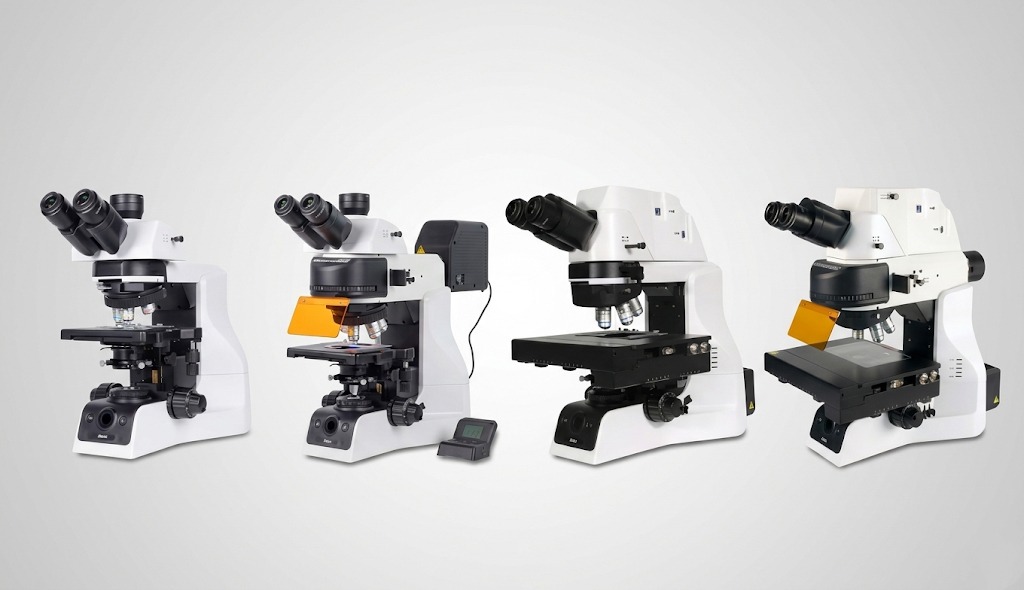
Cannabis Analyser Market Emerging Trends Driving Automation Adoption In Modern Testing And Quality Monitoring
-

- Published Updated
- 6,481 views
The future of laboratory intelligence is quietly reshaping how industries interpret plant based compounds and safety metrics. Decision makers are now confronting a new reality where precision, speed, and regulatory alignment define competitive advantage. Within this shift, cannabis analyser market emerging trends are becoming a central reference point for understanding how testing ecosystems are evolving toward automation and predictive accuracy.
What once relied on slow, fragmented laboratory workflows is now moving toward integrated analytical systems that can deliver consistent insights at scale. Businesses exploring cannabis analyser market emerging trends are increasingly focused on reliability gaps, data transparency, and the growing demand for standardized results across global supply chains. This transformation is not only technical but also strategic, as organizations rethink how analysis shapes product quality and compliance confidence.
Cannabis Analyser Market Growth Analysis
The cannabis analyser market growth analysis reveals a structural shift from manual testing environments to intelligent, connected platforms capable of real time interpretation. Laboratories are no longer satisfied with basic measurement outputs. Instead, they are investing in systems that combine spectroscopy, chromatography support, and advanced calibration features to reduce human variability.
A key driver behind this shift is the rising complexity of quality expectations. Producers and regulators require more detailed profiling, which pushes analytical systems to deliver deeper insights into composition and consistency. In this environment, cannabis testing instrumentation adoption trends highlight a steady move toward hybrid systems that merge hardware precision with software based analytics.
Another major influence comes from expanding global supply chains. As products move across multiple regions, consistency becomes critical. This has increased demand for cannabis analysis equipment for laboratories that can maintain accuracy regardless of sample origin. Laboratories are prioritizing solutions that reduce re testing cycles and improve throughput without sacrificing analytical depth.
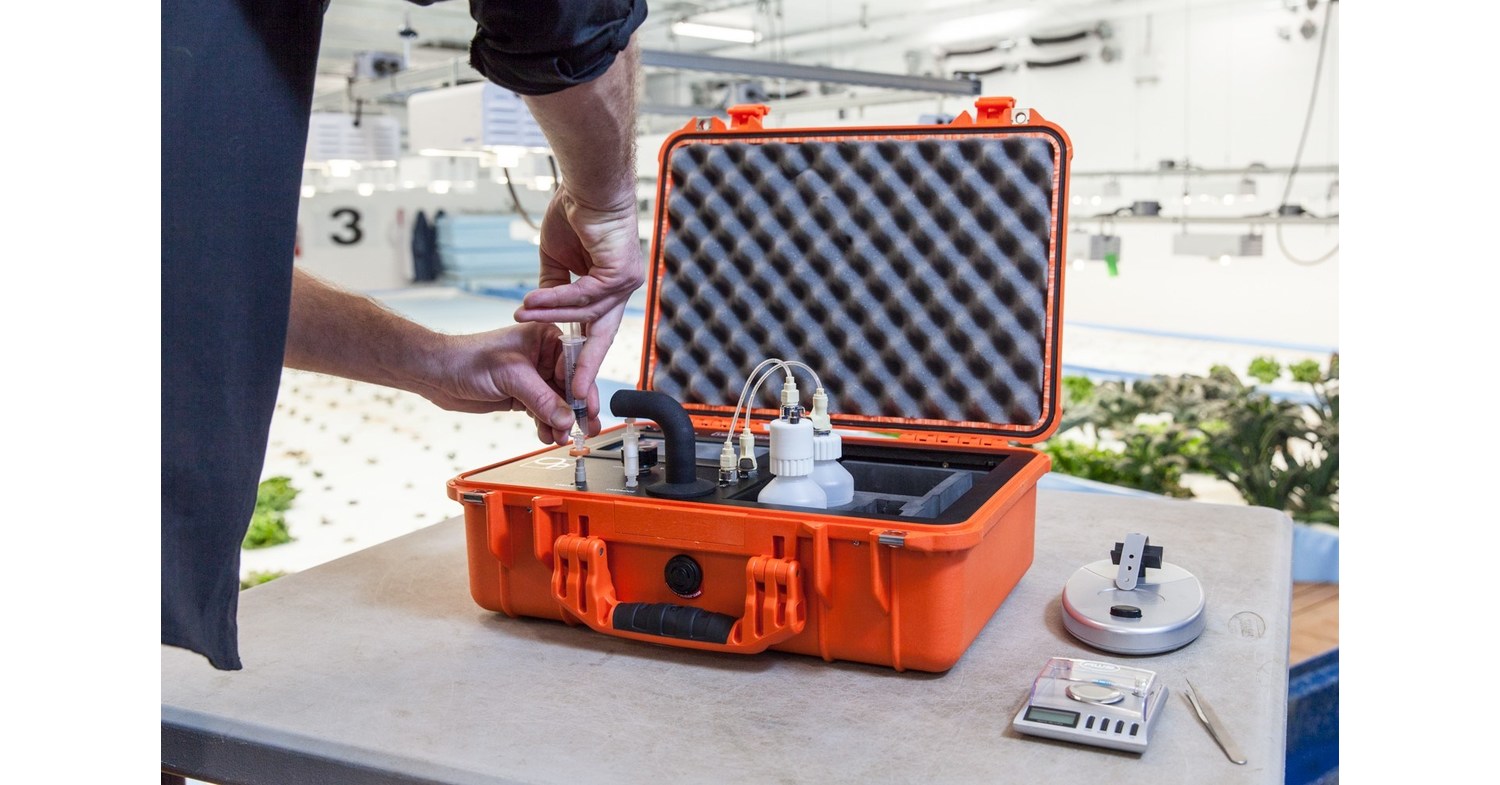
At the same time, portable cannabis analyser devices market demand is gaining attention among field operators who need immediate results outside traditional lab settings. These portable systems are helping bridge the gap between production sites and centralized laboratories, enabling faster decision making and reducing logistical delays.
Regulatory environments are also shaping growth dynamics. Evolving compliance expectations require more transparent documentation and repeatable results. This has led to increased investment in cannabis testing instrumentation adoption trends, particularly among facilities that must meet strict auditing standards. The convergence of compliance and efficiency is pushing innovation toward more automated calibration and integrated reporting systems.
Looking ahead, the growth trajectory is closely tied to digital transformation within laboratory ecosystems. Data integration, cloud based reporting, and predictive analytics are becoming standard expectations rather than optional upgrades. This evolution suggests that future market leaders will be those who can combine analytical precision with intelligent data management.
Cannabis Analysis Equipment For Laboratories
Laboratory environments are undergoing a quiet but profound redesign as cannabis analysis equipment for laboratories becomes more sophisticated and adaptable. Traditional machines that required extensive manual calibration are being replaced by systems designed for continuous operation and minimal intervention.
One of the most significant shifts is the increasing focus on user centric design. Modern analytical equipment is being built to reduce operational complexity while improving output consistency. This is especially important in high volume testing environments where efficiency directly impacts turnaround time and operational cost.
In parallel, regulatory compliance cannabis testing solutions are becoming embedded within analytical platforms. Instead of treating compliance as a separate reporting function, newer systems integrate it directly into the testing workflow. This allows laboratories to generate audit ready outputs without additional processing steps, reducing administrative burden and improving accuracy.
Another important development is the integration of smart diagnostics within equipment. These systems can detect calibration drift, signal degradation, and sample inconsistencies before they impact results. This predictive capability enhances reliability and supports long term operational stability.
Portable systems are also influencing laboratory strategy. While full scale laboratories remain essential for detailed analysis, portable cannabis analyser devices market demand is encouraging hybrid testing models. Field data can now be quickly validated in laboratories, creating a more dynamic flow of information between production and analysis points.
The industry is also witnessing a gradual shift toward interoperability. Equipment is increasingly designed to communicate across platforms, enabling unified data ecosystems. This supports faster decision making and helps organizations build comprehensive analytical histories for each sample batch.
As laboratories continue to evolve, the emphasis is moving toward systems that are not only accurate but also adaptive. Flexibility in handling different sample types, integrating with software systems, and supporting regulatory frameworks is becoming a defining factor in equipment selection.
In the long run, the laboratories that succeed will be those that treat analytical equipment as part of a broader intelligence network rather than isolated tools. This shift signals a future where analysis is continuous, connected, and deeply embedded in operational strategy, reshaping how industries interpret quality and compliance at every stage. Learn more: https :// www. pristinemarketinsights. com/ cannabis-analyser-market-report