Robots Revolutionize Grocery Shopping: The Future of Automation in North American Stores
-

- Published Updated
- 1,742 views
North American grocery stores are becoming more technologically complex, but the physical store remains central to how people shop. FMI's 2026 U.S. Grocery Shopper Trends research reports that 54% of grocery shoppers always shop in-store at their primary store. At the same time, retailers are using more digital tools, AI, inventory systems, and automation to make physical stores easier to operate and navigate.
That is creating a larger role for the grocery robot.
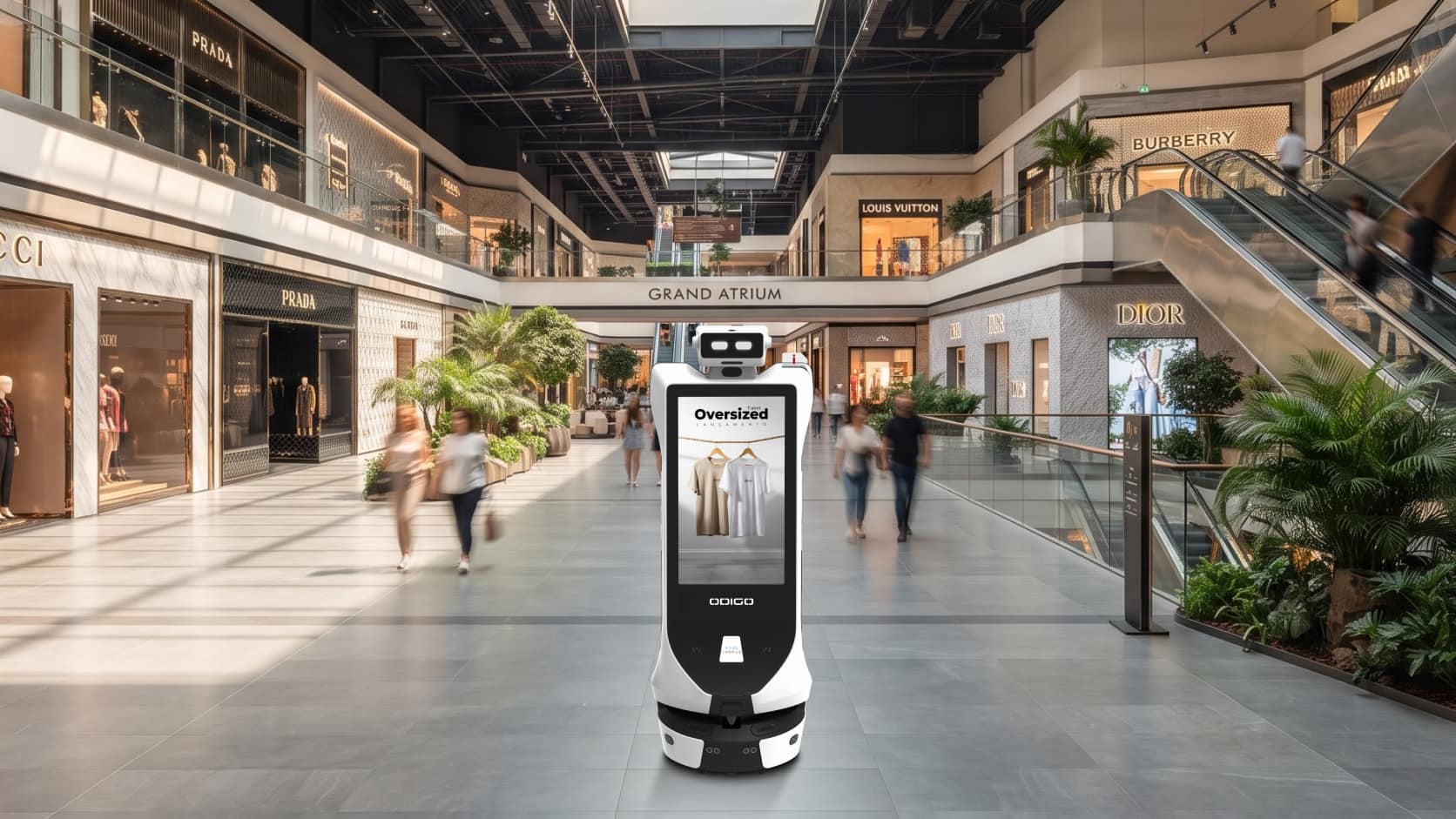
A grocery robot can be designed for very different jobs. Some systems scan shelves. Others support inventory intelligence, clean floors, move goods, or assist with emerging stocking workflows. Customer-facing systems serve another purpose: helping shoppers find products, navigate large stores, discover promotions, and reach employees when human help is needed.
The future is not one universal machine running the whole store. It is purpose-built automation, with each robot solving a defined problem.
For retailers evaluating customer-facing Supermarket Robots, the key question is simple: where can robotic assistance remove friction from the in-store journey?
Key Takeaways
- A grocery robot should be selected according to the problem it is expected to solve.
- Shelf scanning, cleaning, transport, stocking, and shopper assistance require different systems.
- A Supermarket Robot becomes more useful when its workflow is clear before deployment.
- A Robot Assistant can support product discovery, wayfinding, promotion engagement, and human assistance.
- Autonomous Robots require mapped operating zones, safety controls, exception handling, and measurable performance.
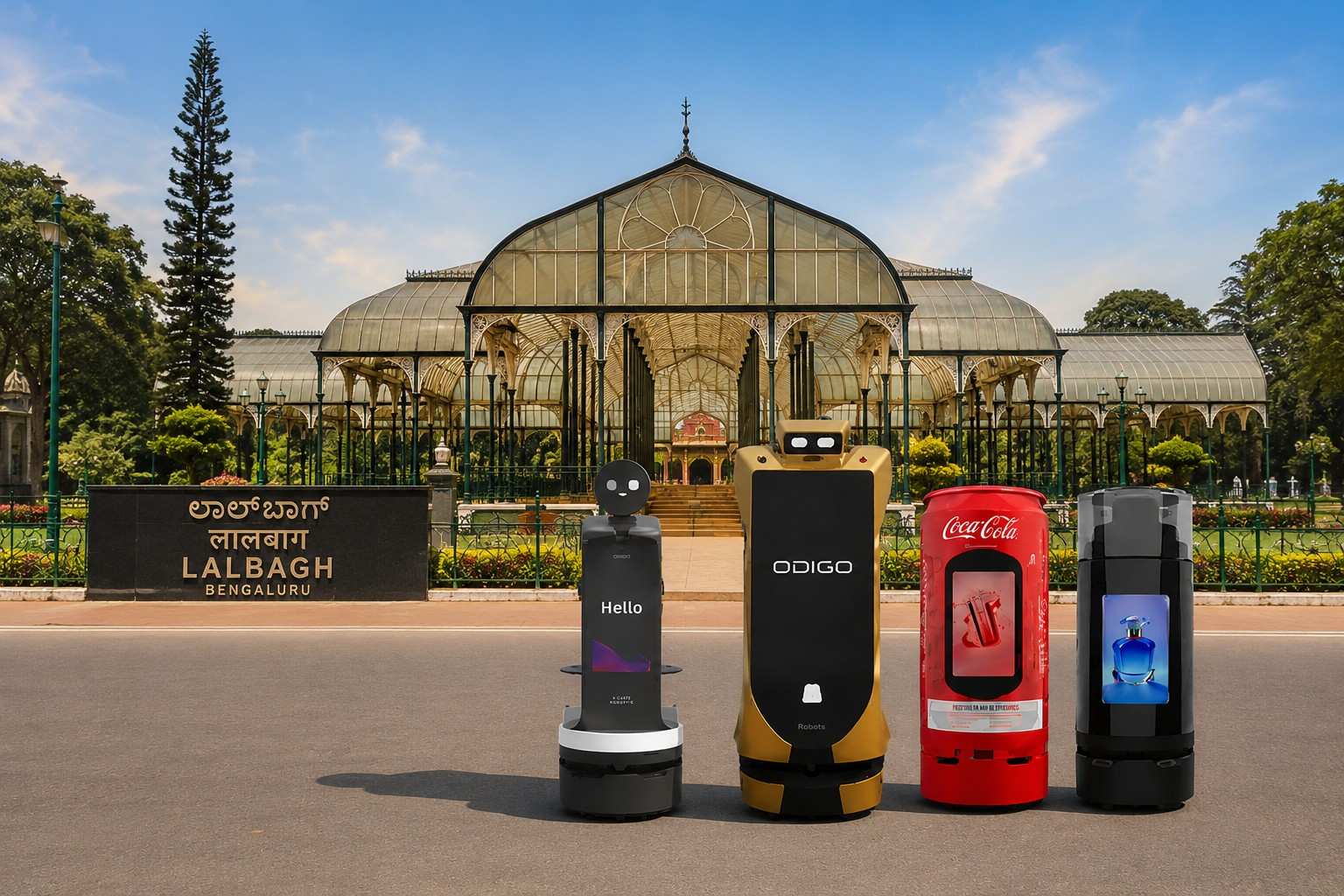
- Odigo can be positioned as a customer-facing mobile layer for shopper assistance, wayfinding, and in-store advertising.
- Kody Robots can be evaluated around how well Odigo fits the supermarket customer journey.
Why Is Grocery Automation Accelerating Across North America?
Grocery operations face several pressures at once. Stores must manage labor, inventory accuracy, online fulfillment, customer service, promotions, and in-store experience. Shoppers also increasingly expect the convenience of digital search even while standing inside a physical store.
McKinsey's 2026 North American grocery research describes AI as an emerging operating layer connecting customer demand, inventory, labor, fulfillment, and store execution. Its consumer research also found stronger willingness to try assisted product search than more autonomous forms of AI shopping.
A grocery robot does not need to automate an entire shopping trip to create value. It can solve one frequent problem well, whether that is detecting shelf conditions, cleaning floors, moving goods, or helping a shopper reach the correct aisle.
What Types of Grocery Robots Are Transforming Stores?
Grocery robotics covers several distinct categories.
Shelf Scanning and Inventory Intelligence
Shelf-scanning systems collect information about shelf conditions and help teams identify situations that may require replenishment or review.
The value of this type of grocery robot depends on what happens after the scan. Information needs to reach the right employee or inventory workflow quickly enough to create action.
Inventory intelligence extends that idea by turning collected data into better operational awareness around stock conditions, priorities, and exceptions.
Autonomous Floor Cleaning
Floor cleaning is one of the clearest forms of repeatable physical automation.
A cleaning-focused grocery robot can follow planned routes while employees handle spills, unusual conditions, and situations requiring judgment.
The goal is not a store without cleaning staff. It is more consistent execution of repetitive floor work.
Internal Transport
Transport-oriented systems may support repetitive movement between approved areas when the layout and safety model allow it.
This requires route planning, payload limits, traffic rules, and clear operating zones.
The objective is to reduce repetitive movement without creating unnecessary conflict with shopper traffic or employee workflows.
Emerging Autonomous Stocking
Autonomous stocking is harder.
Packages vary in size, weight, fragility, and shelf position. Grocery aisles also change throughout the day as customers remove items and employees adjust displays.
Retailers should therefore treat stocking as an emerging automation area rather than assuming it is as simple as moving products through a controlled warehouse.
Shopper Assistance and Advertising
Customer-facing robotics supports the interaction between the shopper and the store through directions, product discovery, promotional content, and requests for employees.
This is where Odigo from Kody Robots is most relevant.
Why Should Retailers Choose the Problem Before the Robot?
A robotics strategy can become expensive if stores begin with hardware instead of workflow.
The better sequence is:
Store Problem → Shopper or Employee Journey → Robot Type → Human Role → Data → KPI
If the problem is floor cleanliness, choose automation designed for floor care.
If the problem is shelf visibility, evaluate scanning and inventory workflows.
If shoppers regularly struggle to find products or employees, a customer-facing grocery robot becomes more relevant.
A Robotics Solution for Supermarket environments should therefore be built around the operating goal, not around the desire to add robotics for its own sake.
The right robot follows the problem.
Where Does Odigo Fit in a Modern Grocery Store?
Odigo by Kody Robots belongs on the customer-facing side of the automation mix.
It should not be presented as a machine for scrubbing floors, scanning shelves, moving pallets, or autonomously stocking products. Its value is closer to the shopper.
Odigo can be positioned around four connected needs.
Product and Destination Discovery
Shoppers often know what they want but not where to find it.
A customer may be searching for a category, department, service counter, promotion area, or other store destination.
Wayfinding
Large stores can be difficult to navigate, particularly for first-time visitors.
A mobile robotic interface can make guidance part of the shopping journey rather than requiring customers to search for a fixed information point.
Promotion Engagement
A mobile platform can bring approved campaigns closer to shopper traffic rather than relying only on fixed displays.
Human Assistance
When a customer needs a person, the robotic journey should support the handoff instead of attempting to automate every conversation.
That gives a customer-facing grocery robot a focused role within the wider automation strategy.
How Can a Grocery Robot Improve Product Discovery and Wayfinding?
A shopper may search for gluten-free pasta, a cleaning category, a service counter, or a seasonal section.
Static aisle signs provide broad categories, but they do not always answer specific questions.
A customer-facing grocery robot can offer another search and guidance interface when connected to reliable store information.
A simple journey could be:
Search → Identify Destination → Guide → Continue Shopping
The system should not invent availability or prices. When store data cannot confirm an answer, the shopper should be directed toward human assistance.
Mobility also matters.
A fixed kiosk stays where it is installed. A mobile system can operate across approved areas and support shoppers closer to where questions occur.
Retailers evaluating Robots for Supermarket environments should therefore consider not only what information a robot provides, but where and how naturally it fits the shopper journey.
How Can Mobile Advertising Fit Into Grocery Automation?
Retail media is becoming increasingly connected with the physical shopping experience. McKinsey's 2026 North American grocery research identifies retail media, AI-enabled discovery, promotions, data, and customer experience as increasingly connected parts of the grocery operating model.
This creates a natural use case for mobile promotion.
Advertising Robot Odigo can be positioned around bringing approved campaigns into shopper zones instead of keeping every message fixed to a wall, endcap, or stationary screen.
Campaigns could include:
- Featured products
- Seasonal promotions
- Store offers
- Product launches
- QR engagement
- Brand activations
The goal should not be constant interruption.
The stronger approach is to place relevant content in the right area and let the shopper choose whether to interact.
Why Is Combining Assistance and Advertising Useful?
A pure advertising device has a narrow role.
A pure information point can also leave opportunities unused.
Odigo built by Kody Robots can sit between those functions.
One shopper may use it for directions. Another may engage with a promotion. Another may want help locating a department.
That allows the same mobile presence to serve practical and promotional moments without treating every interaction as an advertisement.
This gives Odigo a clearer role in grocery environments: customer assistance first, with advertising and engagement added where relevant.
Can Grocery Robots Produce Useful Operational Intelligence?
Yes, when stores know what decisions the data should support.
A shopper-facing system may create aggregate signals around product searches, requested destinations, interaction times, promotion engagement, or requests for employee help.
Those patterns can help managers ask better questions.
Which categories are shoppers struggling to locate?
Which areas generate repeated direction requests?
When does assistance demand increase?
Which campaigns attract interaction?
The purpose is not to collect data simply because technology can generate it.
The purpose is to identify patterns that improve customer experience or store execution.
How Should Stores Think About Autonomy and Safety?
"Autonomous" should not mean unsupervised.
A mobile grocery robot operates around children, carts, baskets, displays, restocking activity, queues, spills, and unpredictable movement.
Good deployment therefore requires mapped operating areas, restricted zones, clear navigation behavior, charging procedures, employee oversight, and exception handling.
Stores should know what happens when a route becomes blocked, where the robot should not enter, and how employees intervene when necessary.
Practical autonomy is controlled autonomy.
What Should Retailers Measure After Deployment?
A robot should be measured according to its job.
For a customer-facing grocery robot, useful metrics may include:
- Product searches
- Navigation requests
- Successful guidance journeys
- Promotion interactions
- QR engagement
- Human-assistance requests
- Peak-hour usage
- Uptime
- Customer feedback
A shelf-scanning system needs different metrics. A cleaning system needs another scorecard.
Retailers planning to Buy Robots for Supermarket operations should define these measures before deployment.
Robotics ROI becomes clearer when it is connected to a workflow rather than a robot count.
What Will the Grocery Store of the Future Look Like?
The future North American grocery store is unlikely to be completely autonomous.
Current research points toward a more balanced model. McKinsey found stronger consumer interest in assistive AI functions, including product search, than in systems that make purchases without user review. Its research also shows grocers expecting greater use of digital tools and data-driven decision-making by store associates.
That suggests a hybrid environment.
Automation may scan shelves, clean floors, support replenishment, move goods, guide shoppers, deliver promotional content, and help prioritize employee tasks.
People remain central for service, judgment, safety, exceptions, merchandising, and customer relationships.
The grocery robot becomes part of that operating model rather than a replacement for the store team.
Why Consider Kody Robots for Customer-Facing Grocery Automation?
At the bottom of the funnel, retailers need to decide which robotic category matches the customer problem they want to solve.
As a Robotics company in India, Kody Robots can be considered by grocery and supermarket operators evaluating customer-facing robotic assistance.
Kody Robots can position Odigo around shopper guidance, wayfinding, promotional engagement, and customer interaction within approved store environments.
The strongest evaluation should focus on workflow fit.
Does Odigo make it easier for shoppers to find information?
Can it support navigation?
Can mobile promotions become more visible and interactive?
Can the robot help connect shoppers with employees when human support is required?
Kody Robots can also be evaluated against practical deployment needs such as store maps, traffic patterns, campaign requirements, charging, operating zones, and staff handoffs.
For Kody Robots, that focused role is more credible than presenting Odigo as a universal machine for every supermarket task.
Kody Robots can complement a wider automation strategy in which purpose-built systems handle inventory, cleaning, transport, or stocking.
That gives Kody Robots and Odigo a clear place in the store: close to the shopper.
Why Is Odigo Relevant to North American Grocery Stores?
North American shoppers continue to value physical stores while expecting more digital convenience inside them.
FMI's 2026 research emphasizes the continuing importance of in-store grocery shopping, while current industry research shows growing interest in assistive product-search experiences.
Odigo can be positioned as a mobile bridge between the physical store and digital assistance.
Instead of forcing shoppers to choose between self-service technology and employee help, the store can offer another layer in between.
For Kody Robots, the opportunity is not to make the grocery store fully autonomous.
It is to make selected customer moments easier.
Frequently Asked Questions
What Is a Grocery Robot?
A grocery robot is a robotic system designed to support a defined grocery-store task such as shelf scanning, inventory visibility, cleaning, transport, shopper assistance, advertising, or emerging stocking workflows.
What Can a Supermarket Robot Do?
A supermarket robotic system may support customer-facing or operational workflows depending on its design. Different systems are built for navigation, inventory, cleaning, movement, engagement, or other specific jobs.
Can a Grocery Robot Replace Store Employees?
A grocery robot is better suited to structured and repeatable activities. Employees remain essential for customer judgment, complaints, safety, exceptions, merchandising, and complex service.
Is Odigo Designed for Shelf Scanning or Floor Cleaning?
Odigo is best positioned around customer-facing supermarket needs such as shopper assistance, wayfinding, advertising, promotional engagement, and connections to human help rather than purpose-built shelf scanning or cleaning.
How Should Retailers Choose a Grocery Robot?
Start with the store problem. Define the workflow, operating environment, human role, data requirements, and measurable outcome before selecting the robotics category.
Conclusion
Robotics is changing grocery stores, but there is no single machine that represents the whole future of retail automation.
A grocery robot can scan shelves. Another can clean floors. Another can move goods. Emerging systems may support more complex stocking. Customer-facing systems can help shoppers search, navigate, discover promotions, and reach human assistance.
For supermarkets focused on the customer journey, Odigo gives Kody Robots a focused role within this wider automation landscape.
Its value is not based on trying to perform every store task. It is based on being useful where shoppers interact with the store.
As North American grocery becomes more connected, the most effective grocery robot strategy will combine purpose-built automation with human service, clear workflows, and measurable outcomes.
That is how robotics moves from an interesting pilot to a practical part of modern grocery operations.