How Can Cash on Delivery Courier Services Support Domestic Shipping Services?
-
- Published Updated
- 29 views

The growth of eCommerce has made reliable delivery and flexible payment options important for online businesses. Customers may have different payment preferences, while sellers need efficient ways to move products from their locations to customers across the country. A cash on delivery courier provides customers with the option to pay when their order is delivered, while Domestic Shipping Services help businesses transport products between cities, towns, and states.
Understanding how COD and domestic shipping work together can help online sellers improve order management, delivery visibility, and customer convenience.
What Is a Cash on Delivery Courier?
A cash on delivery courier is a courier service that collects the applicable order payment from the customer at the time of delivery. Instead of paying in advance, the customer pays when the shipment reaches the delivery address.
The basic process is:
Order Placement → COD Selection → Shipment Booking → Pickup → Transit → Delivery Attempt → Payment Collection → Delivery Confirmation
After successful delivery, the collected amount is processed according to the applicable courier or logistics provider's settlement terms.
What Are Domestic Shipping Services?
Domestic Shipping Services refer to the transportation of products within the same country. In India, these services help businesses deliver orders between different cities, states, and regions through courier and logistics networks.
Depending on the provider and destination, domestic shipping may include:
Standard courier delivery
Express shipping
Intercity delivery
Shipment tracking
COD delivery
Return shipment management
The availability of a particular service depends on destination serviceability, shipment details, courier network, and operational conditions.
How Do COD and Domestic Shipping Work Together?
COD and domestic shipping serve different functions within the eCommerce fulfilment process. Domestic shipping handles the physical movement of the product, while COD determines how the customer pays for the order.
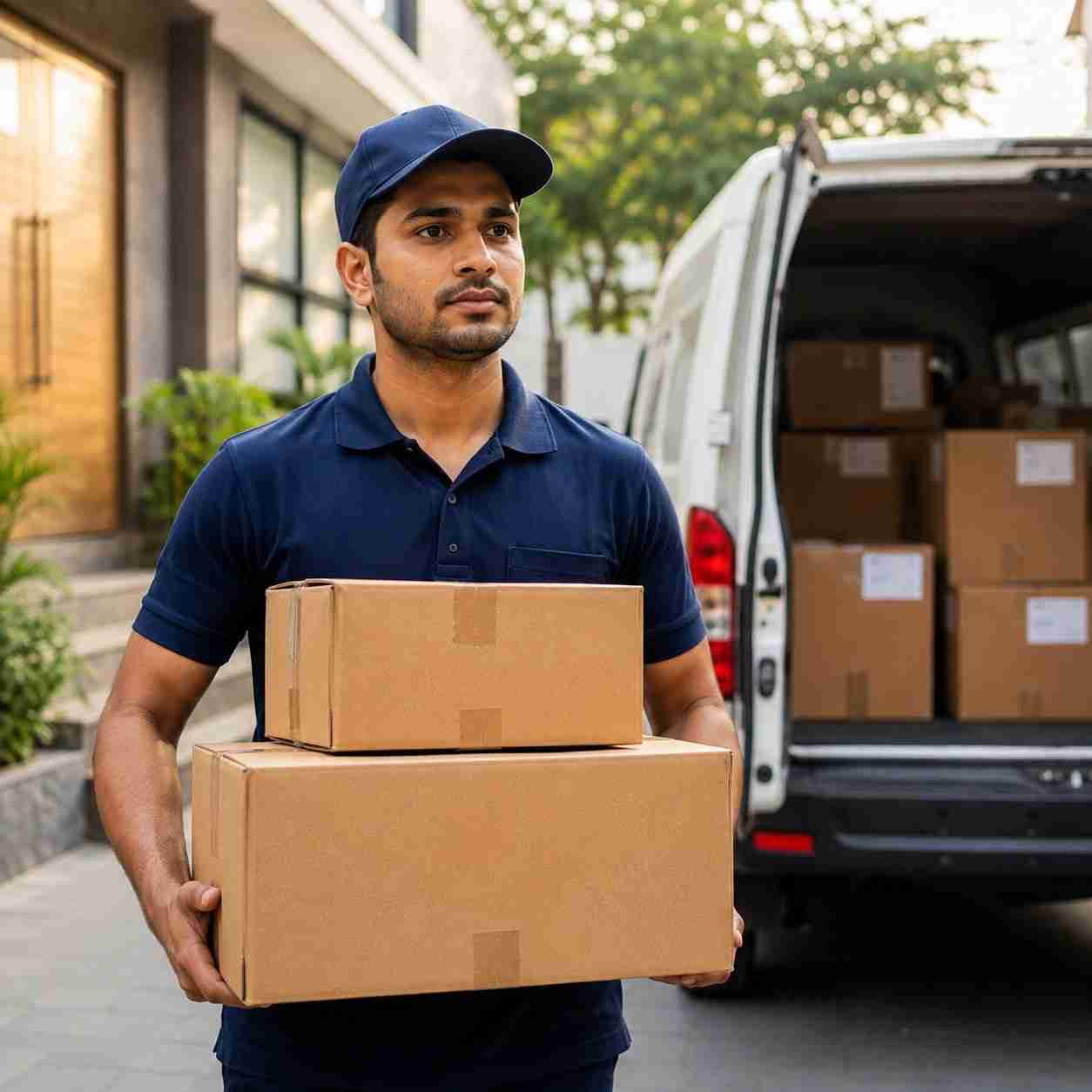
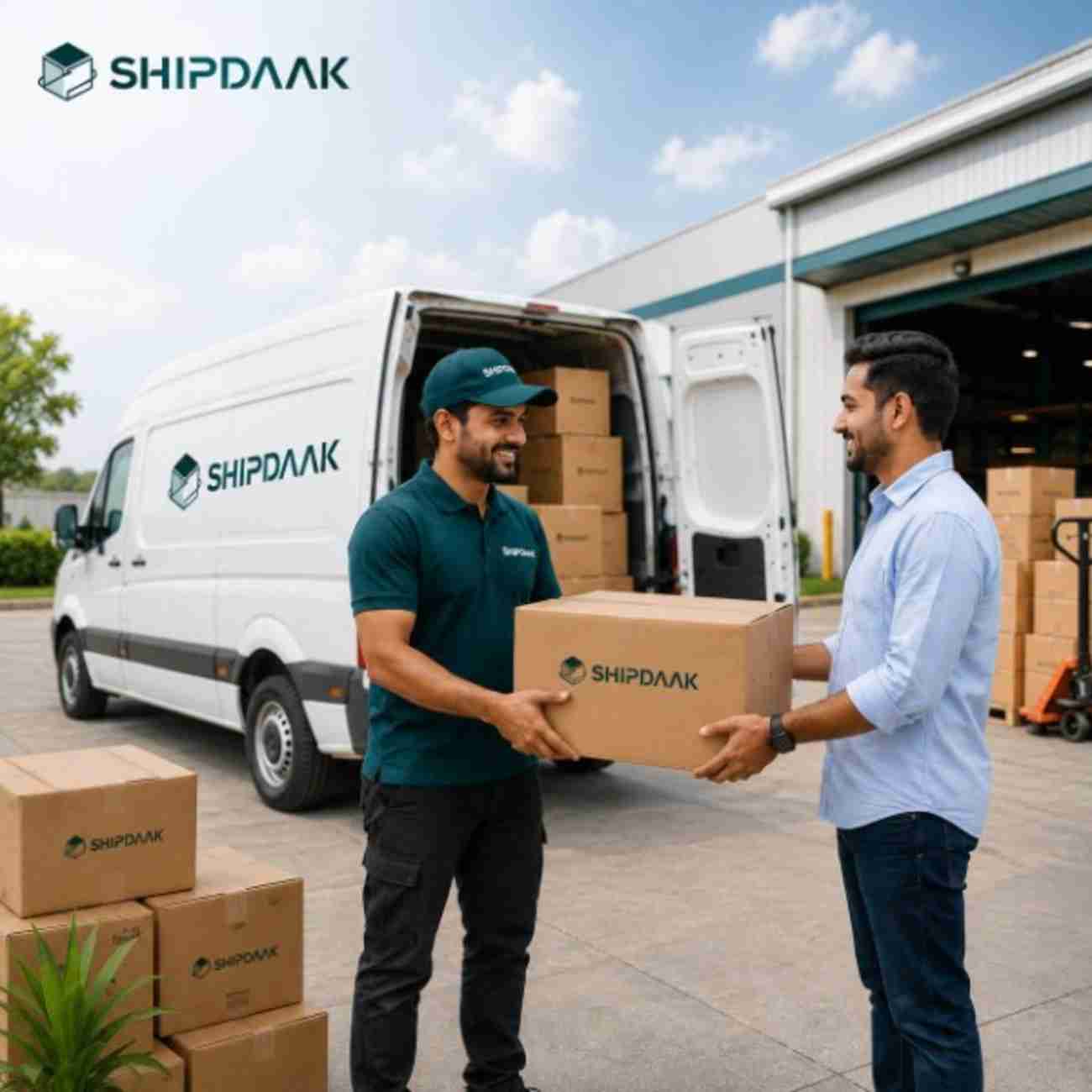
For example, an online seller receives a COD order from a customer in another city. The seller prepares the package, checks destination serviceability, and books the shipment with a suitable courier. The parcel is then picked up and transported through the domestic courier network. During the delivery attempt, the customer pays the applicable amount and receives the shipment.
This process requires coordination between the seller, courier partner, and customer.
Why Do Customers Choose COD?
Payment preferences can vary from one customer to another. While digital payments are widely used, some shoppers still prefer paying when their order arrives.
COD can provide:
Payment Flexibility
Customers can choose to pay at delivery instead of making an advance payment.
An Alternative Payment Method
COD gives shoppers another option alongside prepaid payment methods.
Convenient Checkout
Customers who prefer payment after receiving the product can place an order using the COD option where available.
However, COD also creates additional operational requirements for sellers because successful delivery and payment collection need to be monitored.
What Challenges Can Affect COD Shipments?
COD shipments may face several issues during the delivery process. These can include:
Incorrect or incomplete addresses
Incorrect contact details
Customer unavailability
Customer refusal
Failed delivery attempts
NDR cases
RTO shipments
An unsuccessful delivery attempt may generate a Non-Delivery Report (NDR). Businesses can review the reason and take appropriate action where possible. If a shipment remains undelivered after the applicable attempts, it may eventually enter the Return to Origin (RTO) process.
How Can Businesses Improve COD Delivery?
Businesses can follow simple practices to manage COD orders more effectively.
Verify Customer Details
Accurate addresses, PIN codes, and contact information can help reduce avoidable delivery problems.
Check Serviceability
Before booking a shipment, sellers should confirm whether the destination is covered and whether COD is available for that location.
Share Tracking Information
Tracking updates help customers understand where their shipment is and when delivery is expected.
Monitor NDR Cases
Reviewing failed delivery attempts can help businesses understand recurring problems and take suitable action.
Analyze RTO Reasons
Regularly reviewing returned shipments can help sellers identify patterns and improve their delivery process.
Maintain COD Records
Keeping accurate records of COD orders, delivered shipments, collected amounts, and remittance information can improve operational visibility.
What Should Businesses Consider When Choosing Domestic Shipping Services?
Businesses should evaluate more than just courier charges when selecting a domestic shipping service.
Important factors include:
Delivery coverage
PIN code serviceability
Shipping charges
Estimated delivery timelines
COD availability
Shipment tracking
NDR management
RTO handling
Customer support
Delivery timelines and service availability can vary depending on the destination, courier network, shipment characteristics, and operating conditions.
How Can a Shipping Aggregator Help?
A shipping aggregator can connect businesses with multiple courier options through one centralized platform. Instead of managing different courier systems separately, sellers can potentially manage shipment booking, courier selection, tracking, COD shipments, NDR cases, and RTO monitoring from one place.
This can be useful for eCommerce businesses handling orders across multiple locations and managing different delivery requirements.
Conclusion
A cash on delivery courier provides customers with the flexibility to pay when their orders are delivered, while Domestic Shipping Services help businesses transport products across different locations within the country. Together, they form an important part of eCommerce order fulfilment.
Effective management requires businesses to check serviceability, maintain accurate customer information, monitor shipment tracking, manage NDR and RTO cases, and maintain clear COD transaction records. A centralized shipping approach can further simplify these activities as order volumes increase.
For businesses looking to manage multiple courier options through one platform, Shipdaak provides technology-driven logistics solutions with domestic shipping, COD management, shipment tracking, NDR, and RTO management features.