You Brush Every Day, So Why Do You Still Get Cavities?
-

- September 25th, 2026
- 40 views
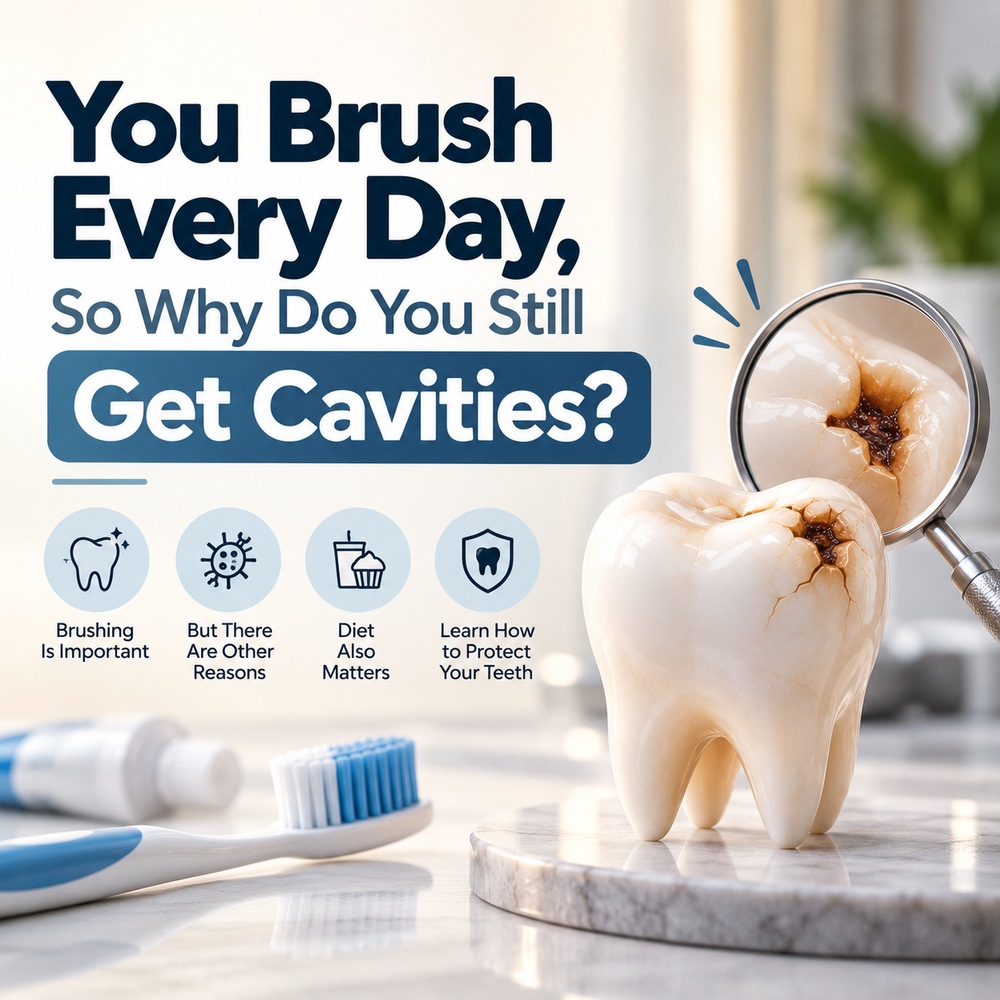
You brush your teeth twice a day, you use toothpaste, and you try to take care of your smile. So why do cavities still appear?
It can be frustrating to discover a cavity when you feel like you are doing everything right. But brushing is only one part of oral hygiene. Cavities can also develop because of your diet, cleaning habits, saliva, and even the shape of your teeth.
Understanding these factors can help you protect your teeth more effectively.
1. Brushing Doesn't Reach Every Area
Your toothbrush cleans the main surfaces of your teeth, but it cannot reach every tiny space. Food particles and plaque can remain between teeth and around the gumline.
This is why cleaning between your teeth is so important. Floss, interdental brushes, or another suitable cleaning method can remove buildup from places your toothbrush misses.
2. You May Be Brushing the Wrong Way
Brushing twice a day is important, but technique matters too. Missing areas or using too much pressure can reduce the benefits of brushing.
Use a soft-bristled toothbrush and fluoride toothpaste. Brush gently for about two minutes, making sure you clean the front, back, and chewing surfaces of your teeth.
Brushing harder isn't the answer. Too much pressure can irritate your gums and contribute to enamel wear.
3. Frequent Snacking Can Increase Your Cavity Risk
It's not only how much sugar you eat that matters. How frequently your teeth are exposed to sugary or starchy foods can also make a difference.
Every time you eat, bacteria in your mouth can use certain carbohydrates to produce acids. Frequent exposure gives your teeth less time to recover between acid attacks.
Constantly sipping sugary drinks, eating sweets throughout the day, or frequently snacking can therefore increase the risk of cavities.
Try to keep sugary foods and drinks to mealtimes, and choose water between meals.
4. Your Toothpaste Matters
Fluoride is an important ingredient for cavity prevention because it helps strengthen tooth enamel and makes teeth more resistant to acid attacks.
Without fluoride, you may miss one of the key benefits of brushing.
Your dentist can recommend an appropriate toothpaste based on your individual oral health needs.
5. Dry Mouth Can Play a Role
Saliva does much more than keep your mouth comfortable. It helps wash away food particles and neutralise acids produced by bacteria.
If you have a persistently dry mouth, your teeth may be more vulnerable to cavities. Dry mouth can be linked to dehydration, mouth breathing, certain medications, and other conditions.
Drinking enough water can help, but persistent dry mouth should be discussed with a professional.
6. Some Teeth Are Simply More Difficult to Clean
Not all teeth are shaped the same way. Deep grooves and pits on the chewing surfaces of back teeth can trap food and bacteria, making them harder to clean properly.
Even with good brushing habits, these areas may need extra attention. Your dentist can identify vulnerable areas and recommend preventive care.
7. Existing Cavities May Not Cause Pain
One of the biggest reasons people delay dental visits is that they assume they don't have a problem because nothing hurts.
Unfortunately, cavities can develop without causing noticeable symptoms in the early stages. By the time pain or sensitivity appears, the decay may have progressed.
Regular dental examinations can help detect cavities earlier, when treatment may be simpler.
8. Your Previous Dental History Matters
If you've had several cavities in the past, you may need to be more careful about prevention. Previous decay can indicate that certain habits or risk factors need attention.
Instead of brushing more aggressively, discuss your cavity risk with your dentist. They can consider your diet, oral hygiene, and history.
When Should You Visit a Dentist?
Don't wait until you have severe tooth pain. Visit a dentist if you notice sensitivity, a visible spot or hole, pain when eating, food repeatedly getting stuck in one area, or changes in a tooth.
If you're searching for the Best dentist in Adarsh Nagar, Delhi, regular checkups can help you stay ahead of dental problems rather than treating them only when they become painful.
Prevent Cavities with Dixit Dental Excellence
If you're looking for the Best dental clinic in Adarsh Nagar, Delhi, Dixit Dental Excellence provides comprehensive dental care with a focus on preventive and personalised treatment.
The clinic can help identify what is causing you to get cavities even with brushing and recommend treatments based on their findings to maintain a healthy smile. From simple checkups and cleanings to more extensive procedures such as fillings, patients can be assured that they are receiving the proper treatment at the correct time.
If a cavity has already progressed and affected the inner part of a tooth, Root canal treatment in Adarsh Nagar, Delhi may sometimes be required after a professional evaluation.
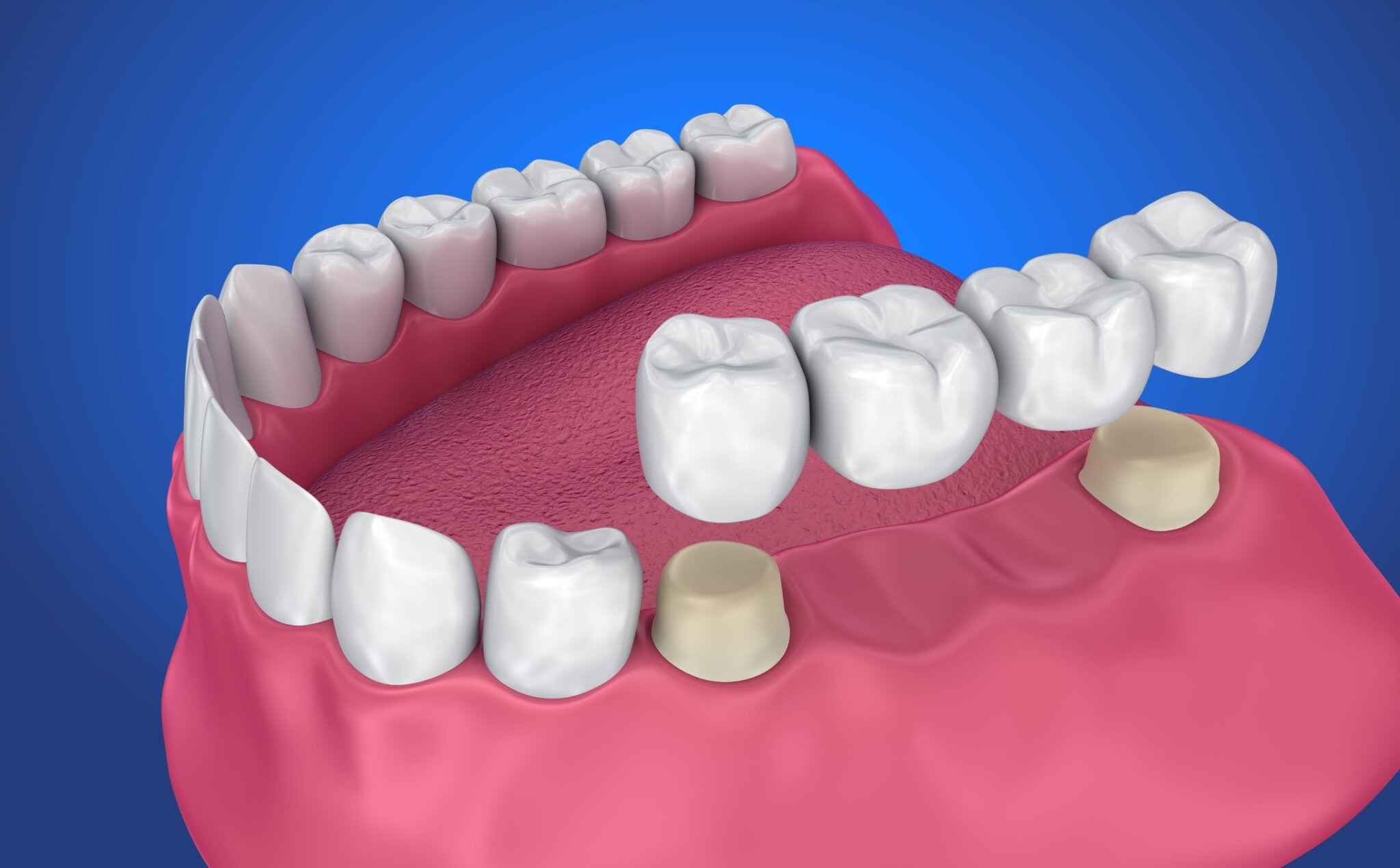
For patients who have lost a tooth because of severe decay or other dental problems, Dental implants in Adarsh Nagar, Delhi may also be considered as a replacement option when clinically suitable.
The bottom line is simple: brushing every day is essential, but it isn't the whole story. Good oral hygiene, healthy eating habits, fluoride, regular dental visits, and early treatment all work together to keep cavities away.
So, if you're brushing every day and still getting cavities, don't blame yourself. Instead, find out what is putting your teeth at risk and make a plan to address it.