Chandrashila Trek Guide: Chopta, Tungnath Routes, Seasons and Preparation
-

- February 23rd, 2026
- 1,532 views

FREE SEO Topical Map Generator: Find Your Next Content Ideas
The Chandrashila trek is a popular high-altitude hike in Uttarakhand that combines cultural sites, alpine forests and panoramic Himalayan views by linking Chopta, Tungnath and the Chandrashila summit. This guide explains routes, preparation, seasonal considerations and safety information for readers planning the trek.
- Route: Chopta → Tungnath (temple) → Chandrashila summit.
- Best time: pre-monsoon (Apr–Jun) and post-monsoon (Sep–Nov); winter offers snow but requires experience.
- Difficulty: moderate; short steep sections and variable weather.
- Permits & safety: check local forest or tourism office rules and weather forecasts before travel.
Chandrashila trek: overview
What the trek includes
The typical route starts from Chopta, passes through cedar and rhododendron forests, reaches Tungnath — a hilltop temple of religious significance — and continues to Chandrashila for summit views. The trail is commonly completed as a one- or two-day outing from Chopta, depending on pace and acclimatization needs.
Landscape and highlights
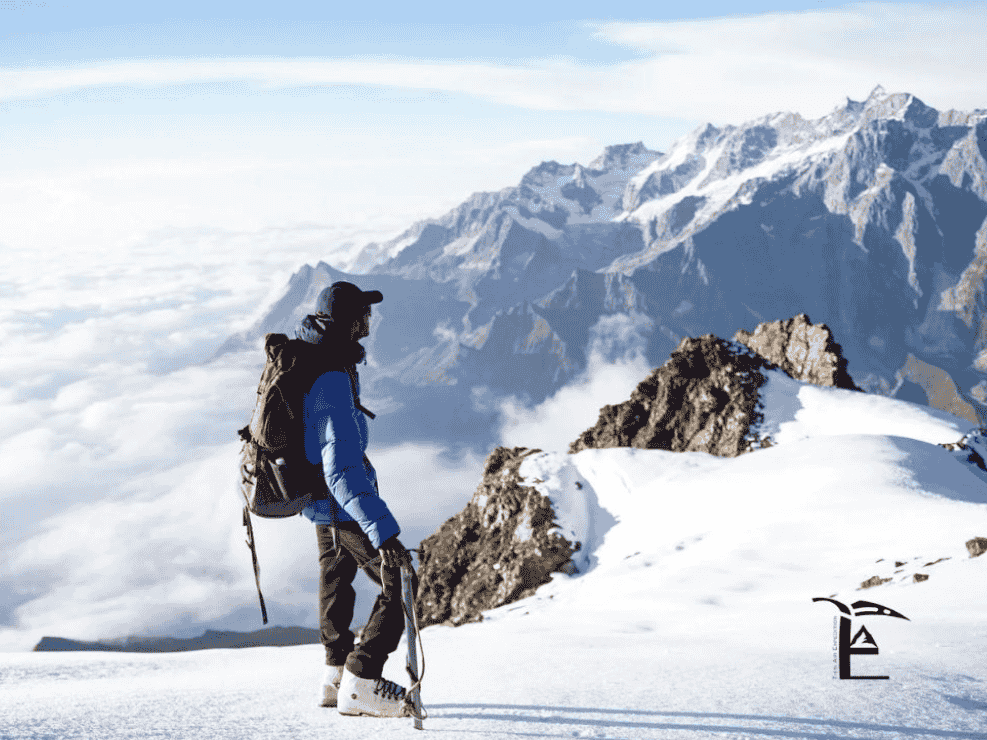
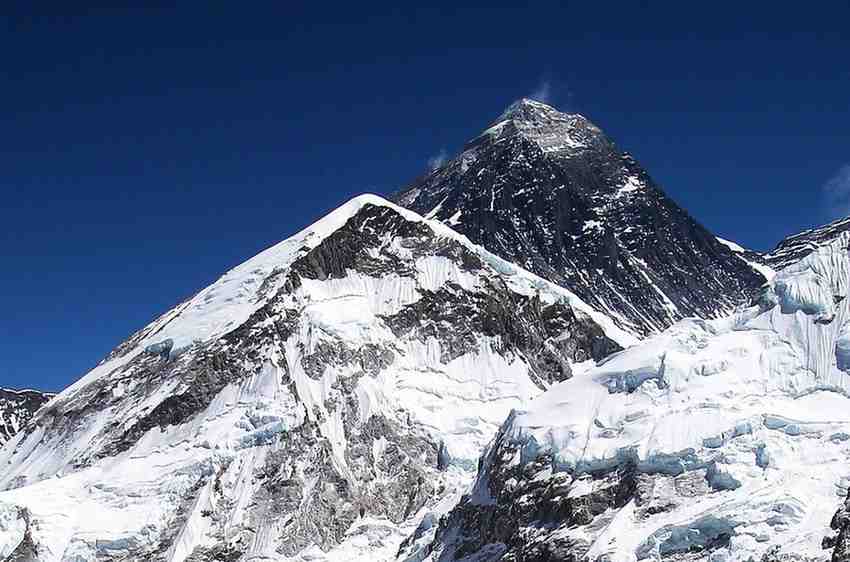
The trek offers a mix of dense subalpine woodland, open ridgelines and sweeping views of the Greater Himalaya. On clear days, trekkers can see major peaks of the Garhwal range. During spring, rhododendron blooms add vibrant color; winters can bring deep snow and a different set of skills and equipment needs.
Route details: Chopta to Tungnath to Chandrashila
Typical itinerary
Many hikers reach Chopta by road and then walk 1.5–3 km to Tungnath along a well-defined trail. From Tungnath, a steeper ascent of roughly 1–2 hours leads to Chandrashila summit. It is possible to do a sunrise trek from Chopta to Chandrashila and return the same day, but staying overnight at Chopta reduces early-morning exertion and provides time for weather checks.
Trail conditions and difficulty
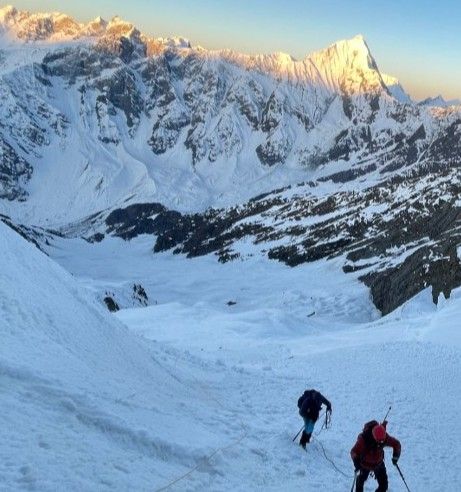
Trails are mostly clear and marked but include rocky or uneven sections, short steep pitches and, in winter, snow and ice. The trek is often rated moderate: it suits those with basic fitness and experience on mountain trails. Carrying layered clothing, trekking poles and sturdy footwear is recommended.
Preparing for the Chandrashila trek
Fitness and acclimatization
Basic cardiovascular fitness and leg strength make the trek more enjoyable. Allow time to acclimatize if coming from low altitude; fatigue and breathlessness are common at higher elevations. Hydration, gradual ascent and avoiding heavy exertion on the first day reduce altitude-related discomfort.
Packing checklist
- Layered clothing (base, insulating, waterproof outer shell)
- Sturdy hiking boots and trekking poles
- Sun protection (hat, sunglasses, sunscreen)
- Headlamp, first-aid kit, personal medications
- Food supplies and water purification options
- Map or GPS device and mobile power bank
Flora, fauna and environmental considerations
Wildlife and vegetation
Vegetation ranges from mixed broadleaf forests at lower slopes to conifer and alpine scrub higher up. The area is home to bird species typical of the western Himalaya; sightings of larger mammals are possible but uncommon. Respect local wildlife by keeping distance and minimizing noise.
Leave No Trace
Practices such as carrying out all non-biodegradable waste, avoiding off-trail shortcuts and using existing campsites help preserve fragile mountain ecosystems. Local forest authorities regulate trekking and camping areas; following their guidelines supports conservation efforts.
Permits, safety and official guidance
Permits and local rules
Permit requirements can vary by season and for organized groups. Check with local tourism offices or the Uttarakhand Forest Department for up-to-date rules. Official sources such as the state tourism department offer practical information and advisories; see the Uttarakhand tourism portal for current guidance and contacts: Uttarakhand Tourism.
Safety tips
- Monitor weather forecasts; mountain weather can change rapidly.
- Inform local authorities or accommodation providers about intended routes and return times.
- Carry a basic first-aid kit and know how to treat common trek-related injuries.
- Consider hiring a local guide for winter or unclear trail conditions.
Sample two-day itinerary
Day 1
Arrive at Chopta, check permits, short acclimatization walks and overnight stay. Use this time to prepare gear and confirm weather conditions.
Day 2
Early start to reach Tungnath, visit the temple, continue to Chandrashila for summit views and return to Chopta or descend to the roadhead for onward travel.
Practical tips for responsible trekking
Local communities and culture
Respect religious sites such as Tungnath by observing local customs. Support local economies by using village-operated guesthouses, eateries and guides when available.
Weather and clothing
Layering is essential. Even in summer, mornings and evenings can be cold at higher elevations. Carry waterproof layers for rain and insulated layers for high-altitude wind chill.
FAQ
What is the best season for the Chandrashila trek?
Pre-monsoon (April–June) and post-monsoon (September–November) are generally the most favorable for clear skies and stable trails. Winter can offer snow-covered scenery but requires appropriate equipment and experience.
How difficult is the Chandrashila trek?
The trek is typically classified as moderate. Trails are well-trodden but include short steep sections and high-elevation exposure. Basic fitness and proper gear are usually sufficient for fit hikers.
Are guides or porters necessary?
Guides are not mandatory for most seasons, but hiring a local guide can enhance safety, navigation and cultural understanding—especially in winter or poor visibility.
Are there accommodation options at Chopta?
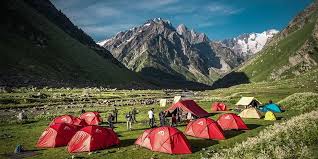
Chopta has guesthouses, tents and basic lodges run by local businesses. Booking ahead in peak season is advisable. Staying overnight at Chopta is a common approach to begin the trek early.
What permits are required for the trek?
Permit rules can change; check with local forest or tourism offices before travel. Organized trekking groups may have different permit procedures. Consult official sources for the latest information.