Top Signs Your Chimney Needs Repair Immediately
-
- May 07th, 2026
- 7,775 views

Your chimney works hard every winter, but it can't always tell you when something's wrong. Most homeowners don't think about chimney repairs until there's a visible crack, a water stain on the ceiling, or worse, smoke filling the living room. The truth is, chimney problems rarely appear overnight. They build up slowly, and by the time you notice them, the damage may already be serious.
At Claus Chimney Pros, we've inspected thousands of chimneys across Colorado. Here are the top warning signs that your chimney needs immediate attention, and why you shouldn't ignore them.
1. White Staining on the Chimney Exterior (Efflorescence)
If you notice chalky white streaks or patches on the outside of your chimney, that's called efflorescence. It happens when water moves through the masonry, carrying salt deposits to the surface as it evaporates.
Why it matters: Efflorescence is a clear sign that moisture is getting into your chimney's masonry. Left unchecked, this moisture can weaken the bricks and mortar, especially during Colorado's freeze-thaw cycles, where water expands inside the material and causes cracking.
2. Cracked or Damaged Flue Liner
The flue liner is the internal lining of your chimney that directs smoke and combustion gases safely out of your home. A cracked liner is one of the most serious chimney problems you can face.
What to watch for: Unusual odors coming from the fireplace, visible cracks or gaps inside the flue, or a professional inspection report flagging liner damage. According to the Chimney Safety Institute of America (CSIA), a damaged liner is a leading cause of house fires and carbon monoxide intrusion.
3. Crumbling Mortar Joints or Spalling Bricks
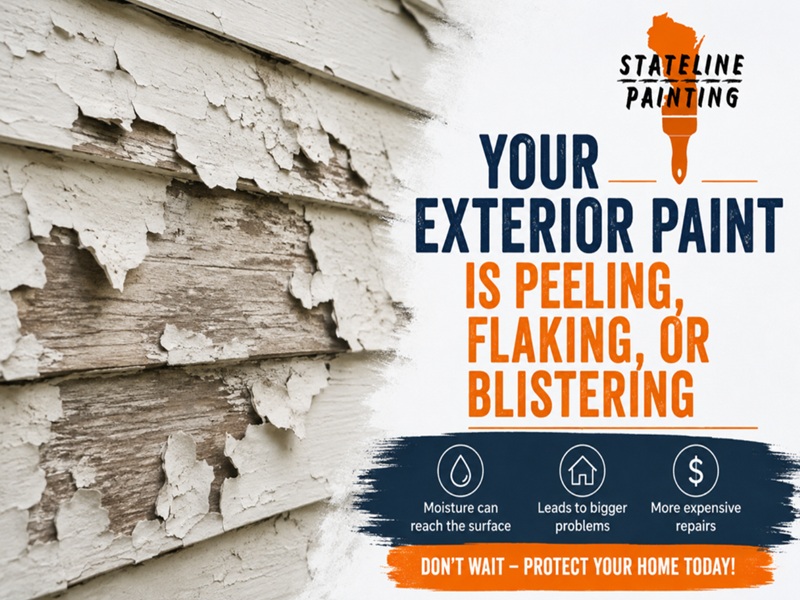
Take a look at your chimney from the ground. Do the bricks look like they're flaking, chipping, or breaking apart? Are the mortar joints between bricks crumbling or missing entirely? These are signs of spalling, a condition where moisture damage causes the surface of the brick to peel away.
Real-life example: A homeowner in Denver noticed small pieces of brick and reddish debris in their backyard each spring. After a Claus Chimney Pros inspection, we found significant spalling damage, which years of Colorado snowmelt had penetrated the masonry. Early repair saved them thousands compared to full chimney reconstruction.
4. Smoke or Odors Coming Into Your Home
Your fireplace should pull smoke up and out, not push it back into your living space. If you're getting smoke, soot, or musty odors inside the house, there's a serious airflow or structural problem.
Common causes include:
- A blocked or damaged flue
- Negative air pressure in the home
- A deteriorating damper that won't seal properly
- Debris or animal nests blocking the chimney cap
Important: Carbon monoxide is odorless. If your fireplace is malfunctioning, CO could be entering your home undetected. Stop using your fireplace immediately and have it inspected.
5. Water Leaks or Staining Inside the Home
Water stains on the ceiling near your chimney, damp walls in the attic, or moisture in the firebox after rain are all red flags. Water intrusion is one of the most damaging (and most overlooked) chimney problems.
Possible entry points include:
- A cracked or missing chimney crown (the concrete cap at the top of the chimney)
- A damaged or absent chimney cap
- Deteriorated flashing of the metal seal where the chimney meets the roof
- Porous or unsealed masonry
In Colorado's climate, water damage accelerates quickly due to freeze-thaw cycles. What starts as a small leak can become structural damage within a season or two.
6. Damaged Chimney Crown or Cap
The chimney crown is a mortar or concrete slab that covers the top of the chimney structure. The chimney cap is the metal covering that sits over the flue opening. Both play critical roles in keeping water, debris, and animals out.
Check for:
- Cracks or chips in the crown
- A missing, rusted, or tilted chimney cap
- Birds, squirrels, or raccoons entering or nesting in the chimney
A missing chimney cap can allow gallons of water to enter the flue during a single rainstorm, damaging the liner, damper, and firebox.
7. Heavy Creosote Buildup
Creosote is a black or brown residue that forms when wood smoke condenses inside the flue. In small amounts, it's normal. In large amounts, it's a serious fire hazard.
Stage 3 creosote, a thick, tar-like buildup, is highly flammable and extremely difficult to remove. The National Fire Protection Association (NFPA) recommends annual chimney inspections and cleaning precisely because of creosote accumulation.
Signs of excessive creosote include a strong, acrid odor from the fireplace (even when not in use), visible dark deposits inside the firebox, and reduced draft.
Quick Reference: Chimney Warning Signs at a Glance
Use this table to quickly assess what you're seeing and how urgently you need to act:
Warning Sign |
DIY Fix Possible? |
Urgency Level |
Recommended Action |
White Staining (Efflorescence) |
Partial |
Medium |
Seal & Monitor |
Cracked Flue Liner |
No |
High |
Professional Repair |
Damaged Crown/Cap |
Partial |
Medium-High |
Professional Inspection |
Smoke Entering Home |
No |
Immediate |
Stop Use + Call Pros |
Spalling Bricks |
No |
High |
Masonry Repair |
Water Leaks/Stains |
Partial |
Medium-High |
Waterproofing + Repair |
Creosote Buildup |
No |
High (Fire Risk) |
Professional Cleaning |
When Should You Call a Professional?
The answer is: sooner than you think. Many homeowners wait until a chimney problem becomes obvious, by which point the damage is often extensive and expensive.
You should schedule a professional chimney inspection if:
- You haven't had an inspection in over 12 months
- You notice any of the warning signs listed above
- You've recently purchased a home with a fireplace
- Your fireplace has been unused for a full season or more
- There has been a chimney fire, even a small one
Why Colorado Homeowners Trust Claus Chimney Pros
At Claus Chimney Pros, we specialize in chimney cleaning, inspection, repair, and full renovation services across Colorado. Our skilled technicians use advanced diagnostic tools, including video inspection cameras, to identify hidden damage before it becomes a major problem.
Whether you need a routine annual cleaning or emergency repairs, we provide reliable, affordable solutions tailored to Colorado's unique climate challenges. We remove dangerous soot and creosote buildup, improve airflow, and ensure your chimney system is safe, efficient, and fully functional.
Frequently Asked Questions
Q: How often should I have my chimney inspected?
A: At least once a year, ideally before the start of the heating season. The NFPA recommends annual inspections for all chimneys, fireplaces, and vents, even if you don't use your fireplace frequently.
Q: Can I use my fireplace if there's a small crack in the mortar?
A: Small cracks may seem minor, but they can allow heat and gases to escape to surrounding materials. It's best to stop using the fireplace and have a professional assess the damage before your next fire.
Q: What causes chimneys to deteriorate faster in Colorado?
A: Colorado's freeze-thaw cycles are a major factor. Water enters porous masonry, freezes, expands, and gradually breaks apart the bricks and mortar. High elevation UV exposure and temperature swings also accelerate wear.
Q: How long does chimney repair take?
A: It depends on the issue. Minor repairs like crown sealing or cap replacement can be done in a few hours. More involved work, like relining the flue or tuckpointing, may take one to two days. Your Claus Chimney Pros technician will give you a clear timeline upfront.
Q: Is chimney repair covered by homeowner's insurance?
A: Some damage may be covered if it was caused by a sudden event (like storm damage). Gradual deterioration is typically not covered. Always document damage and check with your provider.