Chipkali Bel Plant Care Guide: How to Grow, Display, and Maintain a Charming Vine
-

- Published Updated
- 1,891 views
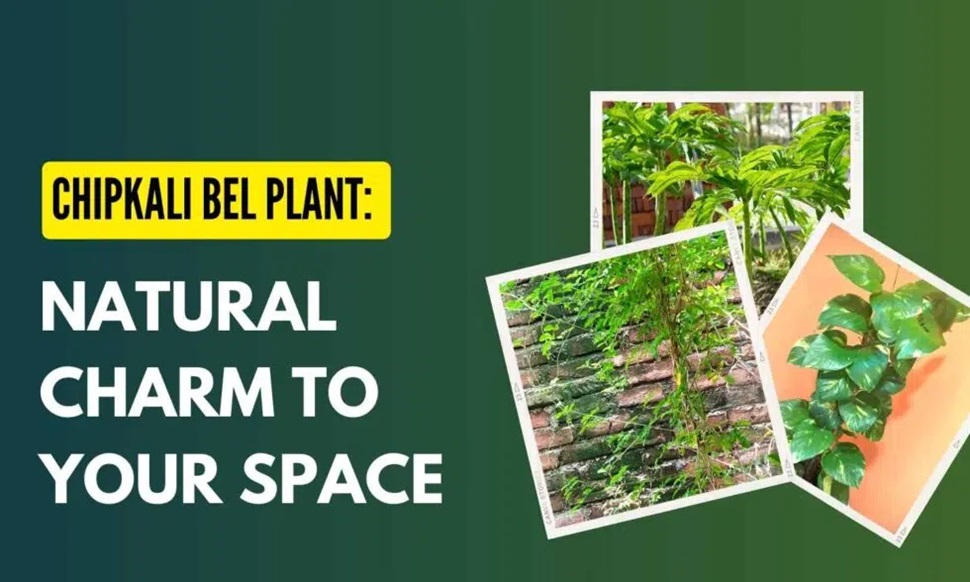
Chipkali Bel Plant: Natural Charm for Home and Garden
The Chipkali Bel Plant brings a compact, trailing form and textural interest that suits many indoor and outdoor settings. The Chipkali Bel Plant is valued for its adaptability, making it a suitable choice for hanging baskets, shelves, and mixed containers where a gentle cascade or climbing habit is desired.
- Light: Bright, indirect light; tolerate some morning sun.
- Water: Moderate watering; allow topsoil to dry between sessions.
- Soil: Well-draining, loamy potting mix with organic matter.
- Propagation: Stem cuttings or division are common methods.
- Uses: Hanging baskets, mixed container displays, small garden trellises.
Overview and characteristics
Appearance and growth habit
The Chipkali Bel Plant typically shows a trailing or scandent habit with flexible stems and an open leaf arrangement. Leaves may be glossy or matte depending on variety, and growth rate can range from slow to moderate under favorable conditions. Many gardeners choose this plant for its ability to soften edges and add vertical interest when trained on small supports.
Where it works best
Suitable for apartments, sunrooms, patios, and balconies, this plant adapts well to containers and limited space. When used outdoors, place in a sheltered location with dappled light to avoid leaf scorch. In colder climates, keep the plant indoors or in a protected greenhouse during winter months.
Growing the Chipkali Bel Plant
Light requirements
Provide bright, indirect light for most varieties. Direct afternoon sun may cause leaf damage, while insufficient light can lead to leggy growth and reduced vigor. Near east- or north-facing windows is often ideal for indoor placement.
Soil and potting
Use a well-draining potting mix that retains some moisture but does not stay waterlogged. A loamy mix amended with compost or a small proportion of grit helps balance drainage and nutrient availability. When selecting containers, ensure adequate drainage holes and avoid oversized pots that can hold excess moisture.
Watering and humidity
Water when the top 2–3 cm of soil feels dry to the touch. Frequency depends on light, temperature, and container size—typically once every 7–14 days for indoor plants under moderate conditions. Increase watering during warmer, brighter periods and reduce it in cooler months. Moderate ambient humidity supports leaf quality; occasional misting or a nearby humidity tray can help in dry indoor environments.
Care and maintenance
Feeding and fertilizing
Feed with a balanced, water-soluble fertilizer during the active growing season (spring through early autumn) at half the recommended strength to avoid fertilizer burn. Slow-release fertilizers in pot mixes can also provide steady nutrients without frequent applications.
Pruning and shaping
Regular light pruning encourages bushier growth and prevents the plant from becoming sparse. Remove dead or damaged stems and trim back long runners to maintain desired shape. Pruning also stimulates new shoots at nodes, improving the overall appearance.
Repotting
Repot when roots become tightly bound or when the potting mix no longer drains well, usually every 18–24 months. Move up one pot size to avoid excessive soil volume that retains moisture. Fresh potting mix replenishes nutrients and improves structure.
Propagation and display ideas
Common propagation methods
Stem cuttings taken in spring or early summer root readily in water or a sterile, well-draining medium. Ensure cuttings include at least one node, which will form new roots. Division at repotting is an alternative for clump-forming specimens.
Display options
Install in hanging baskets for a trailing display, or train onto small trellises and obelisks to create vertical interest. Combine with contrasting foliage plants in mixed containers for texture variation. When placed on shelves, allow stems to cascade freely to highlight the plant's natural habit.
Pests, problems, and remedies
Common issues
Watch for common houseplant pests such as aphids, mealybugs, and spider mites. Signs include sticky residues, cottony masses, or fine webbing. Overwatering often causes root rot and yellowing leaves; underwatering leads to wilting and brown leaf edges.
Treatment and prevention
Regularly inspect plants and isolate new acquisitions until pest-free. Mechanical removal with a soft cloth or showering can reduce pest pressure. For persistent infestations, follow integrated pest management practices and consult guidance from horticultural institutions. For general care recommendations and pest identification help, consult resources from the Royal Horticultural Society and local extension services.
Conservation and sourcing
Ethical sourcing
Obtain plants from reputable nurseries or nurseries that follow sustainable collection practices. If wild-collected specimens are offered, verify legality and sustainability—many plant species are protected under regional conservation laws and the IUCN Red List provides status assessments for wild taxa.
Record keeping
Label plants with acquisition dates and care notes to track performance over time. Botanical gardens and university extension publications are useful references for taxonomic information and region-specific cultivation advice.
Landscape uses and benefits
Aesthetic and functional roles
Use the Chipkali Bel Plant to soften container edges, add motion to vertical plantings, or provide a low-maintenance option for small spaces. Its flexible habit makes it useful for temporary displays and seasonal rotations in mixed plantings.
Compatibility with other plants
Pair with compact foliage plants and low-growing flowering species that prefer similar light and moisture conditions. Avoid placing near aggressive feeders or plants that require very different watering regimes.
FAQ
How often should the Chipkali Bel Plant be watered?
Water when the top 2–3 cm of soil is dry. Typical indoor schedules range from once a week to once every two weeks depending on light, temperature, and pot size. Reduce frequency in cooler months.
Can the Chipkali Bel Plant grow in low light?
It tolerates lower light for short periods but will grow more slowly and may become leggy. Bright, indirect light produces healthier, fuller growth.
What is the best way to propagate this plant?
Stem cuttings with at least one node root reliably in water or a sterile, well-draining propagation mix. Take cuttings during active growth and ensure good humidity until roots develop.
Are there specific pests to watch for?
Common pests include aphids, mealybugs, and spider mites. Regular inspection and early mechanical removal help prevent larger infestations; consult local extension resources for treatment recommendations.