How to Choose Top Breast Augmentation Specialists in Riyadh
-

- Published Updated
- 1,284 views

Finding experienced, board-certified Riyadh breast augmentation experts is a key step for anyone considering cosmetic breast surgery. This guide explains how to evaluate surgeon credentials, facility accreditation, procedure options, and safety considerations relevant to Riyadh and Saudi Arabia.
- Verify surgeon credentials and board certification with the Saudi Commission for Health Specialties.
- Confirm the operating facility is accredited and equipped for general anesthesia and emergency care.
- Understand types of implants, surgical approaches, typical recovery, and documented risks.
- Ask clear questions during consultation and request time to review informed consent documents.
Riyadh breast augmentation experts: choosing a qualified surgeon
Credentials and certification
Prioritize surgeons with recognized plastic surgery training and board certification. In Saudi Arabia, verify registration and specialist credentials with the Saudi Commission for Health Specialties. Board-certified plastic surgeons typically have completed specific residencies and fellowship training in cosmetic and reconstructive breast procedures.
Facility accreditation and safety
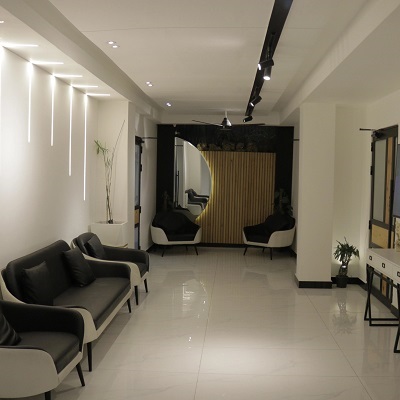
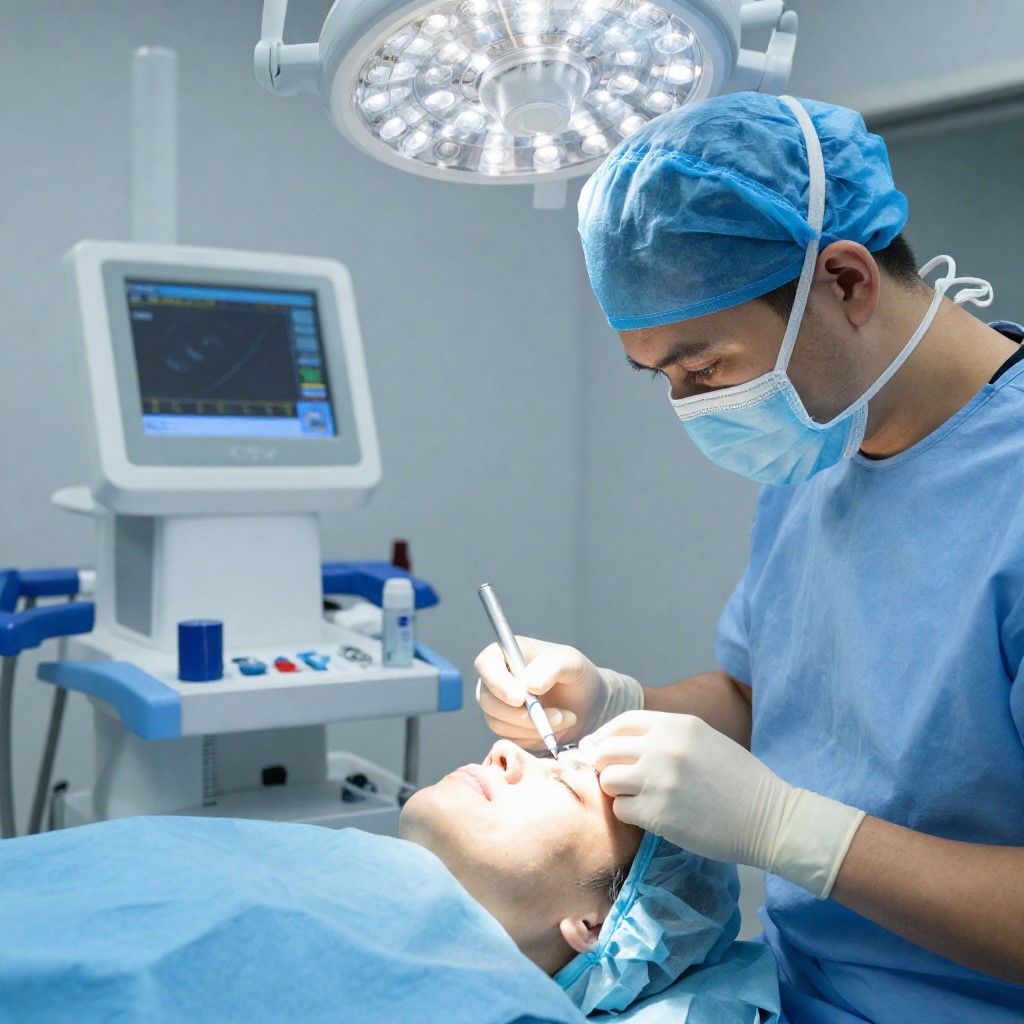
Confirmed accreditation for the hospital or clinic indicates adherence to safety and infection-control standards. Accredited facilities will have policies for perioperative monitoring, anesthesiology services, and emergency response. For regulatory information and health system standards in Saudi Arabia, consult the Ministry of Health website (Ministry of Health).
Experience and specializations
Surgeons with specific experience in breast augmentation, revision procedures, or combined surgeries (such as augmentation with lift/mastopexy) are better positioned to plan cases with varied anatomy. Ask for case portfolios, before-and-after photos, and information on how many procedures of the same type the surgeon performs annually.
What to discuss at the consultation
Informed consent and expectations
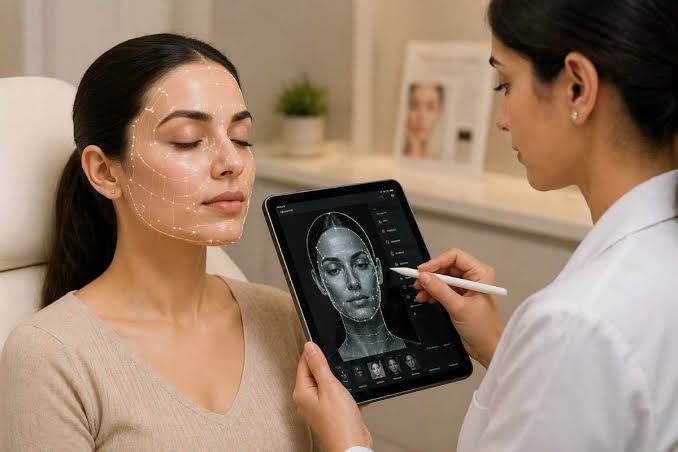
Consultations should include a review of expected outcomes, limitations, and potential complications. A formal informed consent document should describe benefits, risks, anesthesia type, implant options, and the likely recovery timeline. Request written materials and take time to consider them.
Implant types and surgical approaches
Discussion should cover implant options (e.g., silicone vs. saline), shapes (round vs. anatomical), sizes, and incision locations (inframammary, periareolar, transaxillary). Each choice affects aesthetic results, scar placement, and monitoring requirements. Surgeons may also discuss alternatives to implants, including fat grafting, when appropriate.
Preoperative assessment and tests
Preoperative evaluation typically includes a medical history, physical exam, and any indicated tests (blood work, ECG for older patients, and breast imaging when recommended). Clear guidance on medication adjustments and smoking cessation should be provided before surgery.
Safety, risks, and postoperative care
Common risks and long-term considerations
All surgical procedures carry risks such as bleeding, infection, scarring, and the need for revision surgery. Specific to breast implants, potential issues include capsular contracture, implant rupture, asymmetry, and changes in sensation. Discuss long-term follow-up plans, monitoring protocols, and replacement timelines for implants.
Recovery and follow-up
Recovery timelines vary by patient and procedure complexity. Typical recommendations include limiting heavy lifting for several weeks, following wound-care instructions, attending scheduled follow-up visits, and noting signs that require prompt medical attention. Facilities should provide clear postoperative contact procedures.
Costs, financing, and second opinions
Understanding fees
Costs can include surgeon fees, facility or hospital fees, anesthesia fees, implant costs, and follow-up care. Ask for an itemized estimate and clarify what is included. Where relevant, inquire about revision fees and policies if additional procedures are needed later.
When to seek a second opinion
A second opinion is reasonable if the proposed plan is unclear, if the expected outcome seems unrealistic, or if concerns exist about risk management. Multiple consultations can provide perspective on surgical options and confirm that recommended approaches align with international standards.
Patient-centered factors to consider
Communication and comfort level
Comfort with the surgical team, clear communication, and the ability to ask questions are important. Good candidates are given time to understand risks and alternatives, and to make decisions without pressure.
Reviews and outcomes
Patient reviews and outcome galleries can be informative but should be considered alongside verified credentials and documented clinical results. Seek objective measures of safety, such as complication rates, and confirm that testimonials reflect typical experiences.
Legal and regulatory safeguards
Understanding local laws and regulatory protections in Saudi Arabia can help patients make informed choices. Verify practitioner licensing and any available complaint or reporting mechanisms with health regulators and professional societies.
Next steps
When researching candidates, compile questions, verify credentials with the Saudi Commission for Health Specialties, and arrange consultations to discuss personalized surgical plans. Allow time to compare options and review informed consent materials carefully before scheduling any procedure.
How to find Riyadh breast augmentation experts?
Begin by checking professional registration with the Saudi Commission for Health Specialties, seek surgeons with board-certified plastic surgery training, ask for patient outcome data, and confirm facility accreditation. Prioritize transparent communication and documented safety practices during consultations.
What questions should be asked during a breast augmentation consultation?
Key questions include: What are the surgeon's qualifications and experience? Which implant type and size are recommended and why? What is the facility's accreditation status? What are the expected risks and recovery timeline? What is the total cost and what does it include?
How soon should results be evaluated after surgery?
Initial postoperative appearance evolves over weeks to months. Surgeons typically schedule early follow-up within a few days to weeks, with subsequent visits to evaluate healing and final aesthetic results over several months. Discuss specific follow-up intervals during the consultation.
Can complications be minimized?
Complication risks can be reduced by choosing a qualified surgeon, following preoperative and postoperative instructions, and ensuring procedures occur in accredited facilities with appropriate anesthesia and emergency capabilities. Continuous follow-up care supports early detection and management if problems arise.
Is breast augmentation covered by insurance in Riyadh?
Coverage depends on the insurer and whether the procedure is deemed cosmetic or medically necessary. Review policy terms with insurers and confirm any required documentation for coverage or preauthorization.
For authoritative information on health facility standards and regulatory guidance in Saudi Arabia, refer to the Ministry of Health website linked above. When considering surgery, prioritize verified credentials, transparent communication, and accredited facilities to support safe care and informed decisions.