How to Choose the Right First Aid Course in the UK: Practical Checklist
-

- Published Updated
- 1,844 views
Choosing the right first aid course can make a difference in preparedness for accidents and medical emergencies. This guide explains how to compare first aid course types, recognise valid qualifications in the UK, and select delivery formats that fit learning preferences and legal requirements.
- Identify purpose: workplace compliance, personal skills, or specialist settings (childcare, sports).
- Check accreditation and recognised awarding bodies (Ofqual-regulated qualifications, HSE guidance).
- Decide on delivery: classroom, blended learning, or online refresher options.
- Confirm assessment, duration, certification validity, and renewal requirements.
Choosing a First Aid Course: key factors to compare
Purpose and target setting
Determine why a first aid course is needed. Workplace requirements (e.g., Health and Safety Executive expectations for 'first-aiders at work') differ from courses designed for parents, sports coaches, or childcare providers. Choose a course that explicitly covers the risks and scenarios most relevant to the intended environment.
Qualification level and recognition
Look for courses that lead to recognised qualifications. Ofqual-regulated awards or nationally recognised certificates indicate consistent learning outcomes and assessment standards. For workplace training, the Health and Safety Executive (HSE) sets expectations for content and recommended numbers of trained staff; courses that reference HSE guidance are generally aligned with statutory workplace safety goals.
Types of first aid course and typical content
Emergency first aid at work (EFAW)
EFAW courses typically cover primary assessment, basic life support (CPR and use of an automated external defibrillator), choking, severe bleeding, and shock. These are short courses intended to provide immediate life-saving skills for workplaces and community settings.
First aid at work (FAW)
FAW courses are longer and more comprehensive, often required where higher workplace risks exist. Content usually includes treatment of injuries and illnesses, casualty assessment, and record keeping. FAW certificates may be valid for a set period (commonly three years) with recommended interim refreshers.
Specialist and paediatric first aid
Specialist variants focus on sector-specific hazards (e.g., sports injuries, mental health first aid, or farming accidents). Paediatric first aid courses concentrate on infants and children and are commonly required for childcare staff. Ensure the syllabus reflects relevant guidance for the chosen setting.
Course delivery, assessment and accessibility
Delivery formats
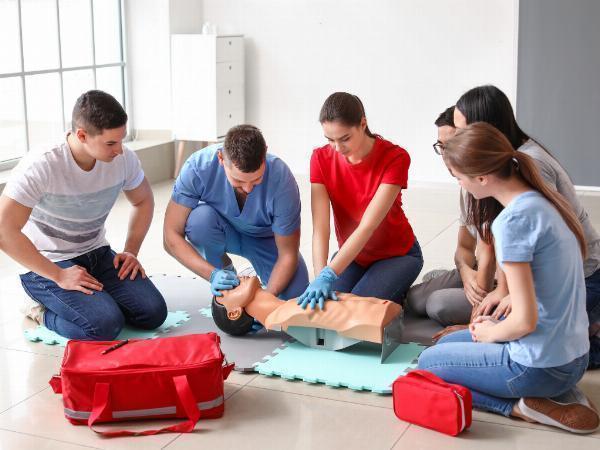
Options include full classroom training, blended learning (online theory plus practical face-to-face sessions), and short online refreshers. Practical skills such as CPR, bandaging and casualty handling require in-person assessment; purely online courses should be evaluated for practical competency components.
Assessment and certification
Confirm how learning is assessed—practical demonstrations, scenario-based assessments, written tests or combined methods. Ask how long the certification is valid, what the renewal process involves, and whether a certificate is issued by an awarding body recognised across the UK. Employers and regulatory bodies often expect certificates issued by established training organisations or awarding bodies.
Costs, duration and employer support
Cost considerations
Course fees vary with duration, group size, location and level of accreditation. Cheaper options may omit practical assessment or use larger class sizes; higher-cost courses may include additional materials, smaller groups and recognised awards. Check whether equipment (manikins, defibrillator trainers) and certification fees are included.
Funding and employer responsibilities
Employers should consider training costs as part of health and safety obligations where workplace first aid provision is required. Some sectors or organisations provide funded training or allow paid time for attendance. Verify whether the employer expects a specific qualification level before booking.
Preparing to attend and making the most of training
Pre-course information and learning needs
Review pre-course materials and provider instructions. Notify the trainer of any specific accessibility needs, language preferences, or adjustments required for practical assessments. Bringing questions about common incidents in the relevant environment helps tailor learning.
Maintaining skills after certification
Skills decay over time; practical refreshers are recommended. Many providers offer short practice sessions or annual refreshers to maintain confidence in CPR and emergency response techniques. Employers should include regular practice opportunities as part of workplace safety plans.
Further resources and regulation
Relevant regulators and standard-setting bodies include the Health and Safety Executive (HSE), the Resuscitation Council UK for CPR guidelines, and Ofqual for regulated qualifications. For official guidance on workplace first aid and compliance, consult the HSE guidance on first aid at work: HSE guidance on first aid at work. Additional reading from professional bodies can clarify best practice and local expectations.
Choosing a provider checklist
- Confirm course matches intended setting (workplace, childcare, sports).
- Check awarding body recognition and assessment methods.
- Verify practical components and instructor credentials.
- Compare total costs, duration and certificate validity.
- Ask about post-course support and recommended refreshers.
Frequently asked questions
What should a first aid course cover for workplace compliance?
A workplace-focused course should include primary assessment, CPR and automated external defibrillator (AED) use, control of severe bleeding, management of shock, and procedures for summoning emergency help. Employers should align training with HSE expectations for numbers of trained first-aiders and documented risk assessments.
How long does a typical first aid course last?
Emergency first aid at work courses often last one day (approximately 6 hours), while full first aid at work courses can be three days or spread over several sessions. Specialist or paediatric courses may vary in length depending on depth of content and assessment requirements.
Is an online first aid course sufficient for practical skills?
Online theory can be effective for knowledge acquisition, but practical skills such as CPR, casualty recovery position and bandaging require in-person practice and assessment. Choose blended courses that include a practical assessment session.
How often should first aid certification be renewed?
Certificate validity commonly ranges from one to three years depending on the qualification. Practical refreshers and annual practice sessions are recommended to maintain competency and confidence between renewals.
How can employers verify the quality of a first aid course?
Employers should check that the course is delivered by qualified instructors, leads to a recognised certificate, includes practical assessment, and aligns with sector guidance. Reviewing references, inspection reports, or third-party accreditation can provide additional assurance.