Choosing the Best Kitchen Cabinets: Practical Points for a Smarter Selection
-

- February 23rd, 2026
- 1,250 views

FREE SEO Topical Map Generator: Find Your Next Content Ideas
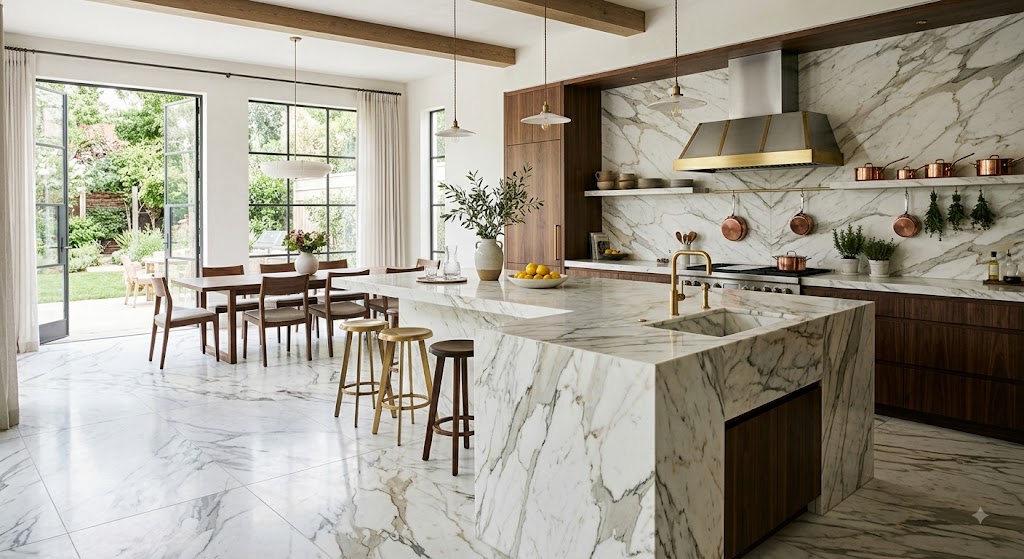
Selecting kitchen cabinets is one of the most impactful decisions for function, style, and long-term value in a home. The right kitchen cabinets balance durable materials, efficient storage, appropriate finishes, and a layout that fits cooking habits and the kitchen's footprint.
- Prioritize cabinet construction (plywood or solid wood boxes over particleboard).
- Match door style and finish to kitchen use and lighting; consider low-VOC finishes.
- Plan functional storage and measure carefully for appliances and clearances.
- Check environmental and safety standards, warranties, and installation options.
Key factors when choosing kitchen cabinets
1. Construction and materials
Cabinet durability starts with the box construction. Plywood boxes and solid hardwood face frames resist warping better than low-density particleboard. Engineered wood like MDF is common for painted doors because it creates a smooth surface, while solid wood doors provide a traditional look. Pay attention to drawer construction: dovetail joints and full-extension metal glides typically last longer than stapled or glued drawers with partial slides.
2. Cabinet types and framing
Two common construction types are face-frame and frameless (European-style) cabinets. Face-frame cabinets have a visible front frame that can add rigidity and a traditional appearance; frameless cabinets offer slightly more access to internal space and a contemporary look. Choose the style that matches the desired aesthetic and available hardware options.
3. Hardware and hardware features
Hardware affects usability and longevity. Soft-close hinges and drawer slides reduce wear and noise. Pull types (knobs, handles, integrated pulls) influence how doors and drawers are used and cleaned. Consider heavy-duty hinges and full-extension drawer slides for frequently used storage areas.
4. Finishes and surface protection
Finishes protect surfaces and define the style. Painted finishes work well on MDF or smooth wood, while natural stains highlight wood grain. For high-moisture or high-traffic kitchens, choose finishes with durable topcoats and consider semi-gloss or satin sheens that clean more easily. Low-VOC or water-based finishes reduce indoor air pollutants; consult product data sheets for VOC content.
5. Environmental and safety standards
Indoor air quality and emissions are important when selecting engineered wood products. Look for compliance with emission standards such as CARB (California Air Resources Board) and guidance from the U.S. Environmental Protection Agency for formaldehyde and volatile organic compounds. For layout and planning best practices, consult industry guidance from organizations such as the National Kitchen & Bath Association (National Kitchen & Bath Association (NKBA)).
Function and layout considerations
1. Storage needs and organization
Map daily routines and storage needs before choosing configurations. Include pull-out shelves, spice organizers, vertical tray dividers, corner pull-outs or carousels, and appliance garages where useful. Prioritize deep drawers for pots and pans and adjustable shelving for taller items.
2. Kitchen zones and workflow
Arrange cabinets to support typical kitchen zones: food storage, prep, cooking, and cleanup. Place frequently used items near their corresponding work zone. Consider ergonomic heights for pull-out trash, microwave placement, and under-counter appliances to reduce bending and reaching.
3. Accurate measurements and clearances
Measure carefully: cabinet widths, heights, and depths must clear appliances, doors, and traffic paths. Account for countertop overhangs, toe-kicks, and appliance fittings. Typical base cabinet depth is 24 inches (plus countertop), but variations exist for custom projects. Confirm measurements on-site before ordering to avoid costly adjustments.
Budget, value, and installation
1. Cost drivers
Major cost factors include custom vs. semi-custom vs. stock cabinets, choice of materials and finishes, hardware quality, and labor for installation. Stock cabinets are least expensive but offer fewer sizes; semi-custom ranges allow size and finish choices; fully custom cabinets provide flexibility at higher cost.
2. Warranties and professional installation
Review manufacturer warranties for structural defects and finish coverage. Professional installation ensures correct alignment, secure fastening, and proper integration with countertops and appliances. Improper installation can negate warranty coverage, so clarify installer responsibilities and written warranties.
3. Resale and long-term maintenance
Durable materials and neutral finishes tend to hold value better. Plan for easy maintenance—removable hardware, finishes that clean well, and accessible storage reduce long-term upkeep. Factor potential resale benefits of classic styles and quality construction when setting a budget.
Maintenance and care tips
Routine cleaning
Use mild cleaners recommended for the finish type and avoid abrasive pads that can damage surfaces. Wipe spills promptly and keep hinges and slides free of debris. Refinish or touch up high-wear areas as needed to extend cabinet life.
When to repair or replace
Repair is often cost-effective for minor damage such as hinge replacement, drawer slide upgrades, or refinishing. Replacement may be warranted when boxes are warped, doors no longer align, or storage needs have changed significantly.
Frequently asked questions
How to measure space for kitchen cabinets?
Measure wall lengths, ceiling heights, and existing utility locations (water, gas, electrical). Record appliance dimensions and required clearances. Create a scaled drawing or have a professional template to ensure cabinets and countertops fit correctly.
What materials make the most durable kitchen cabinets?
Plywood boxes with solid wood or MDF doors are commonly recommended for durability. Look for quality joinery (dovetail drawers), full-extension metal slides, and corrosion-resistant hardware in humid environments.
Are frameless or face-frame cabinets better for small kitchens?
Frameless cabinets can offer slightly more internal storage and a modern look that suits small kitchens, but face-frame cabinets may be easier to adjust during installation and provide a traditional aesthetic. The best choice depends on layout, budget, and desired style.
How important are environmental certifications for cabinet materials?
Certifications and compliance with emission standards help reduce indoor air pollutants from composite wood products. Review product specifications and ask suppliers about formaldehyde emissions and VOC limits to make an informed choice.