Selecting the Right Pest Control Company: A Practical Guide for Homeowners
-

- February 23rd, 2026
- 1,406 views

FREE SEO Topical Map Generator: Find Your Next Content Ideas
Choosing a reliable pest control company can protect property, health, and long-term value. This guide explains how to evaluate a pest control company, including licensing, treatment methods like integrated pest management (IPM), insurance, contracts, and questions to ask before hiring.
- Verify state licensing, insurance, and worker credentials.
- Prefer firms that use integrated pest management (IPM) and clear written plans.
- Get written estimates, read service agreements, and ask about guarantees.
- Check references, reviews, and whether a full inspection is offered before treatment.
How to choose a pest control company
Start with a clear inspection and written estimate. A professional pest control company should perform a thorough on-site inspection, identify the pest species (for example, rodents, termites, bed bugs, or stinging insects), and explain the life cycle and sources of infestation before proposing treatments. Identifying the pest correctly guides effective control and reduces unnecessary pesticide use.
Verify licenses, credentials, and regulators
State licensing and certification
Regulation of pesticide application and pest management is typically at the state level. Confirm that technicians and the business hold current licenses or certifications from the state pesticide regulatory agency or licensing board. Ask to see license numbers and verify them with the regulator or state website.
Training and professional affiliations
Look for technicians trained in integrated pest management (IPM) and continuing education. Membership in professional associations or local cooperative extension programs indicates ongoing training and adherence to industry guidelines.
For national guidance on IPM and safer pest control practices, consult the EPA's resources: EPA Integrated Pest Management.
Assess methods: integrated pest management and pesticide safety
Integrated Pest Management (IPM)
IPM emphasizes inspection, monitoring, exclusion, sanitation, mechanical controls, and targeted chemical use only when necessary. Companies that describe an IPM approach prioritize long-term prevention and reduced reliance on broad-spectrum pesticides.
Pesticide selection and documentation
Ask which products will be used, why they were chosen, and request product labels or Safety Data Sheets (SDS). Proper application follows label instructions and registered uses; providers should cite EPA registration numbers or product labels when explaining treatments.
Insurance, guarantees, and written agreements
Liability and workers' compensation
Confirm that the company carries general liability insurance and workers' compensation. Insurance protects property owners if accidental damage or injury occurs during service.
Written estimates and service agreements
Obtain a written estimate detailing the scope of work, pricing, proposed treatments, expected outcomes, follow-up visits, and any warranty or guarantee terms. Avoid companies that provide vague verbal promises without documentation.
Reputation, references, and reviews
Check references and local experience
Request references from recent customers with similar pest issues. Local experience matters for pests common to a region (termites in warm climates, rodent species in urban areas). Contact local cooperative extension services for region-specific information and reputable providers.
Reviews and complaint history
Review online ratings and check for unresolved complaints with the state pesticide regulator or consumer protection agencies. A pattern of recurring complaints or unresolved disputes is a red flag.
Cost, timing, and treatment expectations
Understand pricing models
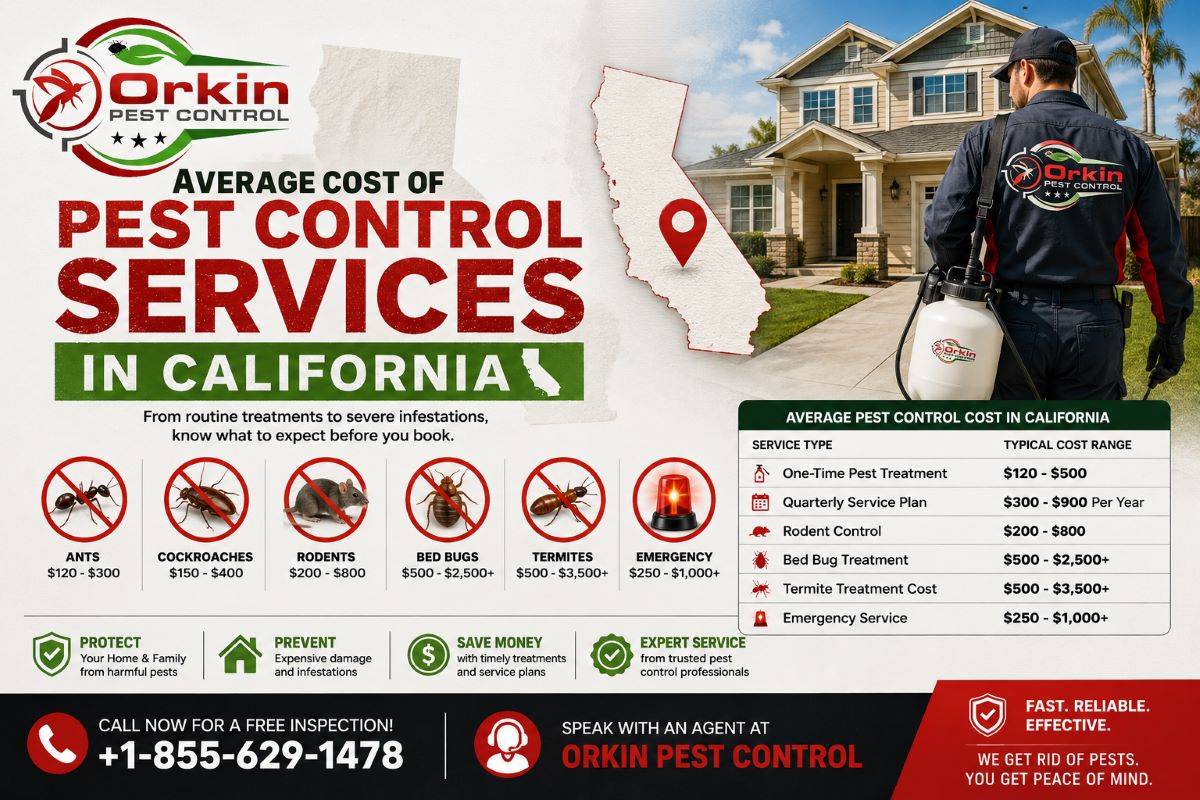
Compare itemized quotes rather than choosing solely on lowest price. Some infestations require multiple visits or specialized equipment (e.g., heat treatment for bed bugs), and upfront low bids may lead to additional costs later.
Realistic timelines and follow-up
Effective control often requires monitoring and follow-up. Ask about expected timelines, what signs indicate success, and whether monitoring or maintenance visits are included in the price or warranty.
Red flags to watch for
- High-pressure sales tactics or demands for immediate payment without an inspection.
- Refusal to provide a written contract, license numbers, or insurance proof.
- Claims of a single "miracle" treatment for every pest without site-specific evaluation.
Preparing for service and post-treatment care
Preparation steps
Follow provider instructions for preparing the site—this may include clearing clutter, securing food, or vacating for a period depending on treatment type. A reputable company will provide clear pre- and post-treatment guidance.
Record keeping
Keep copies of inspection reports, treatment records, product labels, SDS, and any warranties. These documents help with follow-up treatments, potential resale disclosures, and warranty claims.
Frequently asked questions
How to choose the right pest control company?
Choose a company that performs an on-site inspection, holds proper state licenses and insurance, explains an IPM approach, provides written estimates and contracts, and has verifiable references and a clear complaint resolution process.
What questions should be asked during the initial inspection?
Ask about pest identification, proposed methods, product names and active ingredients, applicator credentials, expected timeline, follow-up procedures, guarantee terms, costs, and safety precautions for people and pets.
Are guarantees and warranties common?
Many companies offer limited warranties for certain pests. Understand the terms, duration, conditions, and whether follow-up visits are included or billed separately.
When is a specialist needed?
Consider a specialist for persistent or high-risk pests such as termites, bed bugs, or wildlife (bats, raccoons). Specialists often use different protocols and may have specific equipment or treatment options.
Who regulates pesticide use and complaints?
State pesticide regulatory agencies oversee licensing, applicator certification, and complaint handling. Cooperative Extension services and federal agencies such as the U.S. Environmental Protection Agency (EPA) provide guidance on safe and effective pest management.