How to Choose the Best Pipe Fittings Supplier in Pune: A Practical Checklist
-
- Published Updated
- 1,334 views
Finding a reliable pipe fittings supplier in Pune is an important step for construction, plumbing, waterworks and industrial projects. The choice affects project timelines, compliance with Indian standards, and long-term system performance. This guide explains how to evaluate suppliers, verify product quality, and manage procurement for different materials and applications.
- Check certifications and standards (BIS, ISO, ASTM) for material compliance.
- Confirm product range, material types (PVC, HDPE, GI, stainless steel), and stock availability.
- Ask about testing, traceability, and warranty terms before placing orders.
- Evaluate logistics, delivery lead times, and after-sales support for large or phased projects.
How to evaluate a pipe fittings supplier in Pune
Start by listing technical requirements: material, pressure rating, diameter range, and applicable standards. Verify whether the supplier can provide fittings that match specifications for civil, municipal, HVAC, or industrial systems. Confirm product traceability, batch testing, and whether the supplier works with certified manufacturers or maintains in-house quality control.
Supplier reputation and references
Request references for similar projects and ask for contact details of past clients or contractors. Review project case studies and delivery records. For municipal or industrial work, confirm experience with public tenders or regulated installations.
Inventory and product range
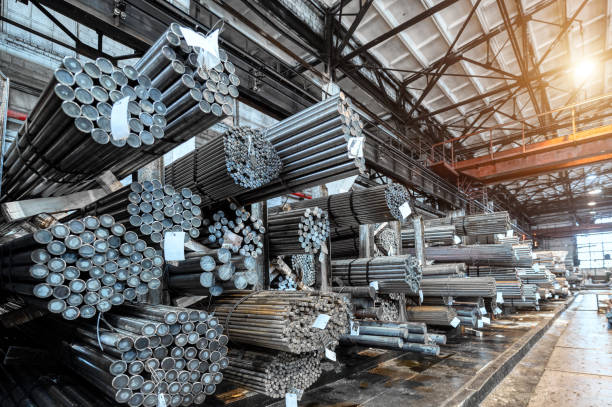
Evaluate the range of fittings available: elbows, tees, reducers, flanges, couplings, saddles, and specialty items. Check whether the supplier stocks common sizes and materials (PVC, CPVC, HDPE, ductile iron, mild steel, galvanized steel, stainless steel) and whether custom or fabricated items can be produced.
Materials, compatibility and application
Different projects require specific materials and jointing methods. Plastic systems (PVC, CPVC, HDPE) are common for water distribution and drainage, whereas ductile iron, carbon steel, and stainless steel are used for higher-pressure or corrosive environments. Compatibility with pipes, valves, and gaskets should be confirmed to avoid mixing incompatible metals or polymers.
Common material properties
- PVC/CPVC: chemical resistance, lightweight, used for cold water and drainage.
- HDPE: flexible, good for trenchless installations and potable water lines.
- Ductile iron: high strength, commonly used in municipal water networks.
- Stainless steel: corrosion resistance for industrial and sanitary systems.
Quality standards, testing and certification
Quality should be verified against recognized standards and through documented testing. Check for compliance with Indian Standards (IS), Bureau of Indian Standards (BIS) registration where applicable, and international standards such as ISO or ASTM for specialized materials. For traceability and safety, ask for material certificates, batch test reports, and certificate copies from accredited labs.
Relevant authorities and standards bodies include the Bureau of Indian Standards (BIS), ASTM International, and ISO. For municipal installations, confirm familiarity with local regulations from the Pune Municipal Corporation or other regulatory bodies.
On-site and factory testing
Request information on pressure testing, dimensional checks, coating inspections (for metal fittings), and whether destructive tests are available on request. A supplier that permits witnessing of factory acceptance tests or provides third-party inspection reports demonstrates higher transparency.
Logistics, lead times and after-sales support
Assess local warehousing, delivery capabilities to Pune and surrounding districts, and emergency supply options. For phased construction projects, reliable staging, consignment stock, or just-in-time deliveries reduce storage needs on site. Confirm packaging methods, labeling for easy identification, and return policies for damaged goods.
Installation support and documentation
Ask whether the supplier provides technical datasheets, installation guides, and compatibility charts. For complex or high-value systems, inquire about technical support, site visits, or training for installers.
Pricing, procurement and contract considerations
Price is one of several factors; total cost of ownership includes delivery, installation compatibility, failure risk, and warranty. Request formal quotations with clear itemization: unit price, taxes, delivery charges, lead time, warranty period, and payment terms. For bulk orders, negotiate volume discounts and include penalties or remedies for late delivery in the purchase order.
Payment and documentation
Ensure purchase orders require certificates of conformity, quality documents, and packing lists. Retain copies for quality audits and future maintenance planning.
Conclusion
Selecting a suitable pipe fittings supplier in Pune requires balancing technical compliance, inventory readiness, documented quality, and reliable logistics. Prioritize suppliers that can demonstrate standards compliance, provide test documentation, and offer clear contract terms. For regulated projects, verify experience with municipal or industrial specifications and insist on traceability for critical components.
FAQ
How to find a reliable pipe fittings supplier in Pune?
Begin by defining technical specs and required standards, then short-list suppliers with relevant project experience, positive references, available test reports, and clear logistics capabilities. Verify certifications, request samples if needed, and review contract terms for delivery and warranty.
What certifications should fittings have?
Look for compliance with Indian Standards (IS) and BIS where applicable, and relevant international standards such as ISO or ASTM for specialized materials. Material test certificates and third-party inspection reports add confidence.
Which materials are best for municipal water lines?
Ductile iron, HDPE and certain grades of steel are commonly used for municipal systems; selection depends on pressure, soil conditions, corrosion risk and existing network compatibility.
Can suppliers provide custom or fabricated fittings?
Many suppliers offer fabrication and machining for custom flanges, reducers and special assemblies. Confirm lead times, design approval processes and weld or coating certifications before proceeding.
How important is product traceability?
Traceability is critical for safety and maintenance. Batch numbers, material certificates and test reports allow identification of parts during audits or failure investigations.