Choosing Between Metal Braces and Clear Aligners: A Practical Guide
-
- Published Updated
- 1,376 views
Introduction
When considering orthodontic treatment, the choice between metal braces vs clear aligners is one of the most common decisions. Both methods move teeth over time but differ in appearance, mechanics, daily care, and suitability for specific types of tooth movement. Understanding the key differences can help patients and caregivers discuss options with a licensed orthodontist or dental professional.
- Metal braces are fixed appliances that can treat complex cases reliably.
- Clear aligners are removable, less visible, and work well for mild to moderate misalignment when used consistently.
- Treatment time, cost, comfort, and hygiene needs vary; consultation with an orthodontic professional is recommended.
metal braces vs clear aligners: Key Differences
This section compares typical features and outcomes for each option so that the practical differences are clear.
How they work
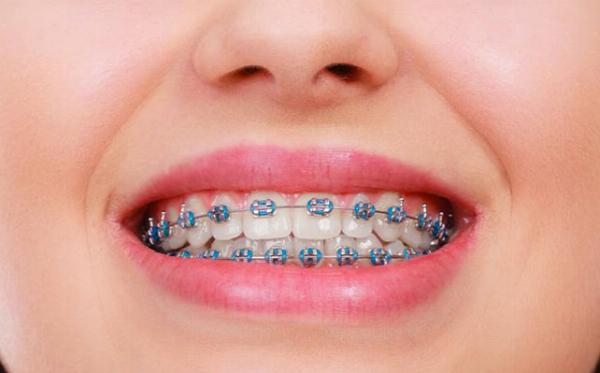
Metal braces use brackets bonded to teeth and archwires adjusted periodically to apply continuous forces. Clear aligners use a series of custom-made, removable plastic trays that incrementally shift teeth; trays are usually worn 20–22 hours per day and changed every one to two weeks.
Effectiveness and case complexity
Metal braces are commonly recommended for complex movements such as significant bite corrections, large rotations, or vertical changes. Clear aligners have improved and can address many mild to moderate alignment and spacing issues, but more complex cases may still require fixed appliances or combined approaches.
Appearance and comfort
Clear aligners are less visible and often preferred by adults and teens concerned about aesthetics. Metal braces are more noticeable and may cause initial irritation to cheeks or lips before soft tissues adapt; orthodontic wax and adjustments typically reduce discomfort over time.
Treatment time, appointments, and compliance
Treatment duration
Average treatment time varies by case and appliance. Some mild cases finish in months, while moderate to complex treatment can take 12–24 months or longer. Consistent wear of clear aligners is essential to meet projected timelines; poor compliance can extend treatment.
Appointments and monitoring
Metal braces typically require in-office adjustments every 4–8 weeks. Aligners also require regular check-ins but may allow fewer in-office tightening visits; remote monitoring options are increasingly offered by some providers. Regardless, professional supervision is necessary to assess progress and make corrections.
Cost, insurance, and financing
Costs vary geographically and by provider. Metal braces are often less expensive than clear aligner systems for equivalent treatment goals, but specific quotes should come from an orthodontic clinic. Dental insurance plans sometimes cover part of orthodontic treatment for children and adults; check plan details and preauthorization requirements.
Oral hygiene and maintenance
Cleaning and diet
Metal braces require careful brushing and interdental cleaning to remove food debris and plaque around brackets and wires. Certain foods (sticky, hard) should be avoided. Clear aligners are removable for eating, allowing normal brushing and flossing, but aligners themselves must be cleaned regularly to avoid staining and bacterial buildup.
Risks and limitations
Both treatment types can cause temporary tooth sensitivity, root resorption in rare cases, or relapse if retainers are not used after active treatment. Fixed appliances can increase the risk of enamel demineralization if oral hygiene is poor. All treatments have potential risks that an orthodontist should explain; professional guidelines from organizations such as the American Association of Orthodontists and the American Dental Association offer patient resources.
Who is a good candidate?
Age and growth considerations
Children, teens, and adults can be candidates for both methods, but growth stage influences timing and appliance choice for some bite corrections. Some types of skeletal corrections require early intervention or combined orthodontic-surgical approaches.
Patient lifestyle and preferences
Patients who prioritize discrete treatment and are disciplined about wearing trays may prefer clear aligners. Those with complex tooth movements or less ability to comply strictly with removable wear may be better served by metal braces.
How to choose and next steps
Schedule a consultation with a qualified orthodontist or dental specialist to get a diagnosis, treatment options, cost estimate, projected timeline, and expected outcomes. Ask about experience treating similar cases, retention strategy after active treatment, and available financing. Official resources such as the American Dental Association and professional orthodontic associations provide patient guides and decision checklists.
FAQ
metal braces vs clear aligners: which is better?
Neither option is universally better; the choice depends on the specific orthodontic problem, patient age, aesthetic priorities, willingness to comply with removable appliance wear, budget, and the orthodontist's clinical judgment. A professional assessment will determine the most appropriate approach for individual needs.
Do clear aligners work as quickly as metal braces?
Clear aligners can have comparable timelines for suitable cases when worn as prescribed, but treatment can be longer if aligners are not worn consistently. Complex cases often require fixed appliances and may take longer regardless of the system used.
Are metal braces painful?
Discomfort with metal braces is common in the days after adjustments as teeth move, but pain is usually mild and managed with over-the-counter pain relievers and orthodontic care tips. Soft tissue irritation typically resolves as the mouth adapts.
Will insurance cover both options?
Coverage depends on the dental or orthodontic plan. Some policies cover a portion of orthodontic treatment for children and adults; preauthorization and adherence to insurer requirements may be necessary. Contact the insurance provider and the treating office for estimates and billing practices.