How Cloud-Based HRM Software Enhances HR Operations
-

- Published Updated
- 6,988 views
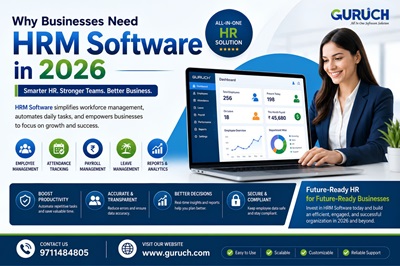
In today's fast-paced business environment, organizations are increasingly turning to digital solutions to streamline their human resource functions. Cloud-based HRM software is one such development that has improved HR activities by making the HR process much easier. By leveraging cloud technology, businesses can enhance efficiency, alleviate administrative burdens, and foster a more productive workforce.
This article explores how cloud-based HRM software enhances HR operations and why it has become an essential investment for modern businesses.
What is Cloud-Based HRM Software?
Cloud-based Human Resource Management (HRM) software is the use of the internet to enable organizations to manage different HR activities using a centralized system stored in remote locations. Cloud-based software differs from on-site HRM software by the fact that it can be used by organizations from any location.
The common features available in cloud-based HRM software include employee management, attendance, payroll, recruitment management, employee assessment, employee self-service, and compliance.
Centralized Employee Data Management
The key strength offered by the use of cloud-based human resource management (HRM) software includes centralized management of employee information. Human resource managers typically face challenges when it comes to managing employee information that is scattered in different locations, including various sheets and documents.
This problem can be addressed through cloud-based HRM software, as this will allow HR managers to manage employee information from a centralized database, which is also more secure. This will include employee profiles, employee work history, their performance history, and other related information.
Improved Accessibility and Remote Workforce Support
The development of remote work culture has posed certain difficulties in front of HR managers. One way that the cloud-based HRM solution has assisted organizations is by making HR information accessible irrespective of geographical constraints.
Employees can easily log into the system and check their payslips, apply for leave, update personal data, and read the policy documents without the need to interact directly with the HR personnel. Managers can easily approve the applications, evaluate employee performance, and keep an eye on their attendance.
Streamlined Recruitment and Onboarding
HR staff have an important task of recruiting the best employees possible. The cloud-based HRM software helps HR personnel streamline the hiring process by helping in posting positions, managing applications, communicating with candidates, and even scheduling interviews.
In addition, there is an application tracking system (ATS) that will help you manage the data of your candidates more efficiently. Afterward, once the employee is hired, he can easily be onboarded through various documents available online.
Enhanced Payroll and Attendance Management
HR payroll processing is one of the most labor-intensive processes in any HRM activity. The manual computation of payroll may lead to mistakes that may be costly and problematic for the company in terms of compliance with regulations. HRM software enables automated payroll computations, considering all variables like attendance, holidays, overtime, and payroll-related deductions.
The software generates payroll reports and helps in delivering salaries promptly. Additionally, integrated attendance management features allow organizations to monitor employee working hours, shift schedules, and absenteeism in real time.
This automation minimizes administrative work while improving accuracy and transparency.
Increased Employee Engagement and Self-Service
Modern employees expect convenient access to workplace information and services. Modern cloud-based HRM systems have made it possible for employers to empower their staff by enabling them to undertake HRM processes themselves via the self-service portal.
These processes include the following:
• Application for leave
• Viewing salary details
• Updating personal information
• Viewing performance appraisals
• Downloading HRM documents
By reducing dependency on HR personnel for routine inquiries, organizations improve employee satisfaction while allowing HR teams to focus on higher-value initiatives.
Better Performance Management
The importance of performance management cannot be overlooked when it comes to developing employees and ensuring organizational success. Cloud computing offers HRM software that helps set goals, carry out performance appraisals, measure performance, and gather feedback.
With such a system, managers can continuously track the performance of employees over the year without having to wait until the end of the year for performance appraisals.
The organization is able to benefit from data on performance by recognizing top-performing employees and dealing with any productivity concerns.
Data Security and Compliance
As human resource departments work with a lot of confidential information about their staff members, data protection is one of the key concerns. Well-known HRM cloud service companies spend huge amounts of money on ensuring that their systems use state-of-the-art data protection methods, such as data encryption, two-factor authentication, regular system backups, and other security options.
On top of that, modern HRM platforms can be used not only for the storage of employees' information but also to make sure that all rules are followed, thus avoiding legal issues and possible fines.
Real-Time Reporting and Analytics
Data-driven decision-making has become essential in today's competitive business landscape. The cloud-based HRM applications have a good analytical and reporting system that provides information regarding the company workforce.
HR managers are able to obtain reports related to the following:
· Turnover rates
· Attendance records
· Recruiting efficiency
· Payroll costs
· Employee productivity levels
· Efficiency of training programs
These insights help organizations identify trends, optimize workforce planning, and make informed strategic decisions that support long-term growth.
Cost Efficiency and Scalability
Traditional HR systems often require significant investments in hardware, software licenses, maintenance, and IT support. The cloud HRM solution is paid for via subscription, thus providing access to sophisticated human resources technology regardless of the organization’s size.
In case of organizational growth, cloud solutions allow the company to scale up as the number of employees increases.
Conclusion
Cloud-based HRM software has transformed how companies handle their human resource management systems. The tools help in data management, automation of processes, enhanced accessibility, working remotely, and provision of data for analysis purposes, among other benefits to HRM operations.
As more businesses adopt digitalization of their business processes, cloud-based HRM software becomes more and more essential for proper management of today's workforce. A company equipped with effective HRM software not only improves its operational processes but also enjoys numerous competitive advantages compared to other firms.
If you run a company and are in search of effective ways of streamlining your HRM operations, then cloud-based HRM software is your go-to solution.