U4GM COD MW4 Visual Upgrades Overview
-

- Published Updated
- 4,112 views
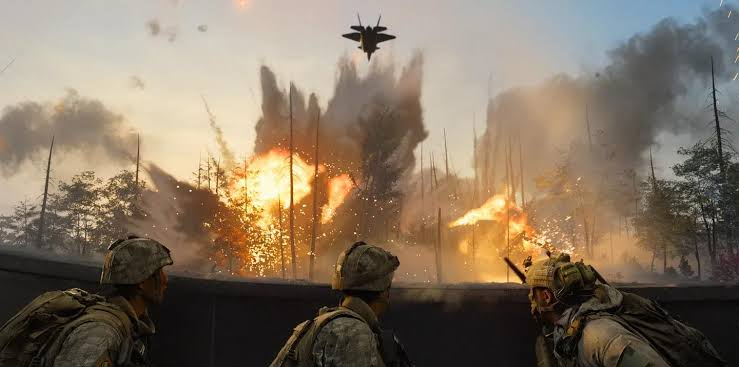
Call of Duty: Modern Warfare 4 is scheduled to arrive on October 23, 2026, with versions planned for PlayStation 5, Xbox Series X|S, Nintendo Switch 2, and PC. Infinity Ward appears to be taking a more practical approach this time, placing weapon feel, clear sightlines, and readable action ahead of constant visual noise. Players exploring MW4 Bot Lobbies may also notice how much the core shooting experience has changed, particularly when movement, recoil, positioning, and timing all matter during the same tense encounter.
Rather than relying on exaggerated effects or unpredictable gunplay, Modern Warfare 4 seems designed around control. Each weapon should have a distinct purpose, and players will need to understand how those differences affect close-range fights, mid-range engagements, and defensive positions.
Aiming Takes Centre Stage
One of the most important changes is the move away from unpredictable hip-fire spread. Shots should land closer to where the crosshair is pointing, provided the weapon is under control. That sounds like a small adjustment, but it could significantly change the rhythm of gunfights.
In previous games, players could sometimes win an encounter by spraying from the hip and hoping that enough rounds connected. Modern Warfare 4 appears to reduce that element of luck. Players will need to place the reticle carefully, control the weapon’s kick, and choose the right moment to fire. Poor positioning or careless aim may no longer be rescued by random bullet spread.
The Axion assault rifle is being used during testing as an example of a stable platform. Its manageable recoil makes it easier to keep shots on target, but even a reliable rifle still rewards deliberate handling. Holding the trigger for too long may cause the weapon to climb away from the target, while short bursts can provide better accuracy and faster corrections.
This approach may also make weapon selection more meaningful. A rifle with predictable recoil could be ideal for players who prefer controlled mid-range fights, while a harder-kicking weapon may offer greater damage in exchange for more demanding handling.
Clearer Fights and Smarter Movement
Infinity Ward is also working on a visual system called VFX Masking. Heavy muzzle flash and smoke will no longer need to completely swallow the target on screen. Instead, a small opening forms around the point of aim, allowing players to keep track of an opponent while firing.
It is a subtle change, but it could make automatic weapons feel much less frustrating. In many shooters, the player who fires first can lose sight of the target because the screen fills with flash, smoke, and impact effects. VFX Masking appears intended to preserve the intensity of firing without sacrificing important visual information.
The revised focus effect follows a similar principle. The weapon and nearby foreground elements may soften slightly, while the opponent remains sharp enough to read. This could help players understand whether an enemy is moving, crouching, changing direction, or attempting to reach cover.
Movement has received attention as well. When an operator squeezes past a wall or leans near cover, the weapon moves closer to the chest instead of clipping through the surrounding space. It may seem like a minor animation detail, but it should improve the way movement feels in narrow corridors, stairwells, and small rooms.
What Has Changed for Players
The new design philosophy can be summarized through several practical differences. Older systems often rewarded spraying from the hip, while the new model asks players to aim with greater intention. Earlier visual effects could hide a target during a firefight, but the updated presentation aims to keep the action readable.
Movement also appears more grounded. Players who rush around corners may still gain an advantage, but positioning and weapon readiness should matter more than simply moving at maximum speed. In a tight room, the way an operator raises or lowers a weapon could affect whether the player is ready to fire immediately.
These changes may create a more consistent experience for both aggressive and defensive players. Fast players can still push forward, but they will need to control their aim. Players holding an angle can benefit from patience, though they must remain aware of flanking routes and changing sightlines.
Gunsmith Builds with More Personality
The Gunsmith menu is receiving a broader range of choices, including Apex attachments that change a weapon’s role instead of merely improving one statistic. A slow single-action revolver could become a quicker close-range option, while the PPSH may accept an incendiary launcher designed to control a doorway or punish enemies hiding behind cover.
The Mosin Nagant and WZ 55 Striga add further variety to the weapon roster. These options may appeal to players who prefer unusual builds rather than the most popular assault rifle or submachine gun.
For players comparing options such as Bot Lobbies MW4 for sale, the more important point is that loadout planning should feel personal. Each conversion should bring a clear advantage and a meaningful trade-off. A faster weapon may lose range, an incendiary attachment may reduce mobility, and a powerful rifle may require more careful recoil control.
That balance could make Modern Warfare 4’s multiplayer experience more interesting over time. Instead of searching for one perfect setup, players may experiment with builds that match their preferred maps, tactics, and level of mechanical control. If Infinity Ward’s changes work as intended, MW4 could deliver gunfights that feel cleaner, more deliberate, and easier to understand without losing the intensity that defines the series.
![Anomaly: The Rotting World [v0.1] – Game Overview](https://indibloghub.com/public/images/courses/6a42323801101189_1782723128.jpg)