How to Experience the Tension and Strategy of FNAF
-

- September 27th, 2026
- 1,918 views
Introduction [url=https://fnafgamefree.com/]fnaf[/url]
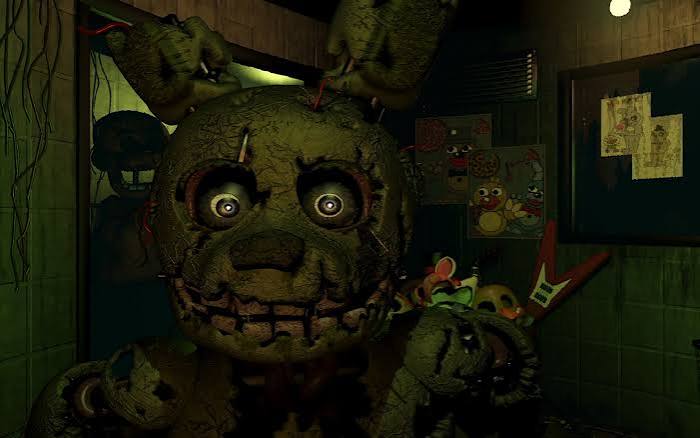
Some games entertain us with colorful worlds, fast action, or complicated stories. Others create excitement by giving us very little to work with. Five Nights at Freddy’s, usually known as FNAF, is a great example of this second type. The game takes place in a children’s restaurant filled with animated mascots, but the cheerful setting quickly becomes unsettling after dark.
Instead of fighting enemies directly, players must survive several night shifts as a security guard. The challenge comes from watching cameras, managing limited power, and making quick decisions when the characters begin to move. If you want to experience the original game or learn more about its basic style, you can visit FNAF and then approach it with patience rather than expecting a traditional action game.
FNAF is most enjoyable when treated as a suspenseful puzzle. The goal is not simply to react to every sound or movement. It is to understand patterns, remain calm, and use limited information wisely.
Gameplay
The basic gameplay is simple to understand. Each night, you sit inside a small security office and try to survive until morning. You cannot freely walk around the building. Instead, you monitor the restaurant through security cameras positioned in different rooms and hallways.
The cameras allow you to track the animatronic characters. At the beginning of a night, they may appear harmlessly on a stage. Over time, however, they start moving through the building. Your task is to notice where they are going and decide how to respond.
The office usually has doors and lights on either side. The lights can help you check whether an animatronic is standing outside, while the doors can temporarily block an attack. However, these tools consume electricity. If your power reaches zero before the shift ends, your protection disappears, leaving you vulnerable.
This power system is what makes the game especially interesting. You cannot keep the doors closed or constantly check every camera. Every action has a cost. Looking at cameras uses some power, turning on lights uses more, and closing doors can become expensive if done for too long. The game encourages careful observation instead of panic.
The camera system also creates an unusual kind of storytelling. You may notice that one character has left the stage, but you do not always know exactly where it is. A camera may show an empty hallway, while another reveals a figure standing in a completely different room. These small discoveries make the restaurant feel much larger and more mysterious than the office itself.
Sound is just as important as the visuals. Footsteps, unusual noises, and sudden changes in background sounds can provide clues. Playing with headphones can make the experience more immersive, though it may also make the jump scares more intense. If the game becomes too uncomfortable, lowering the volume or taking short breaks can help.
Tips for New Players
The first important tip is to conserve power. New players often switch on both lights repeatedly or leave doors closed whenever they feel nervous. This can make the night much harder. Try to use each tool for a specific reason. Check a light briefly, look at a camera only when necessary, and open a door again once the danger has passed.
Developing a routine is also useful. For example, you might check the cameras, look toward the doors, and then repeat the process at a steady pace. A routine helps prevent random button pressing and makes it easier to notice changes in the environment.
Do not stare at the cameras for too long. The camera system is helpful, but it is not meant to be watched constantly. Focus on the areas that give you the most useful information. Learning which rooms matter most will save both time and electricity.
Pay attention to movement patterns. The animatronics may seem unpredictable at first, but their behavior often follows recognizable rules. When you lose a night, try to think about what caused the failure. Did you use too much power? Did you ignore a warning sound? Did you close a door too early or too late? Treating each defeat as information makes progress feel more rewarding.
It is also important not to react emotionally to every small event. FNAF is designed to make players nervous. A sudden sound or an empty camera may encourage you to press several controls at once, but that usually creates more problems. Take a breath, check the situation, and make one decision at a time.
If you are playing with friends, consider taking turns. One person can control the game while others observe the cameras and suggest ideas. This can make the experience less frightening and more social. It is also fun to compare different strategies, since players may notice clues that others miss.
Finally, give yourself time to learn the atmosphere. The quiet moments are part of the design. The game becomes more effective when you allow the silence, distant sounds, and limited view to create tension. You do not need to rush through every night.
Conclusion
FNAF is a memorable example of how a simple idea can create powerful suspense. The game uses a small office, a few controls, and limited resources to make every decision feel important. Its strongest moments come not from constant action, but from waiting, observing, and wondering what may happen next.
To enjoy the game, approach it as a mixture of strategy, observation, and horror. Conserve power, learn the characters’ behavior, listen carefully, and avoid panicking. Whether you play alone in a dark room or share the experience with friends, each night offers a small challenge that encourages you to improve.
Most importantly, remember that the fun comes from the tension. You may fail several times before understanding the right rhythm, but each attempt teaches you something new. Once you become familiar with the cameras and controls, the fear starts to change into curiosity—and that is what makes FNAF such an interesting game to experience.