The Role of Coffee Automation in Improving Workplace Productivity
-

- September 16th, 2026
- 34 views
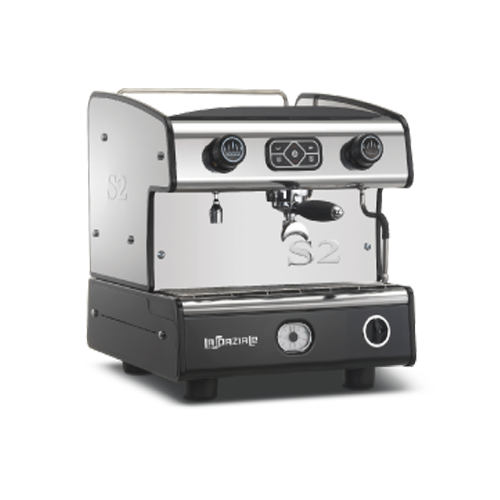
A well-designed workplace coffee station can contribute to employee convenience, hospitality, and everyday office culture. An automatic coffee machine provides a practical way to make multiple beverages with limited manual preparation, making it suitable for offices, meeting rooms, co working spaces, and corporate hospitality areas. When thoughtfully planned, an automated coffee setup can reduce preparation time, simplify beverage service, and provide employees with convenient access to refreshments throughout the working day.
Why Coffee Matters in the Workplace
Coffee breaks provide employees with an opportunity to pause, recharge, and interact with colleagues. A convenient beverage station can make these moments easier without requiring employees to leave the workplace. Short breaks can provide a change of pace during demanding schedules and may encourage informal conversations between team members.
For businesses that welcome clients and visitors, quality coffee can also form part of the overall hospitality experience. A clean and organized beverage area can create a more comfortable environment for meetings, interviews, presentations, and discussions. Rather than treating coffee as an afterthought, businesses can incorporate it into their wider workplace facilities planning.
Supporting Employee Convenience
Employees often have different preferences. Some may enjoy strong coffee, while others prefer a milder beverage or a milk-based option. A flexible system can accommodate different tastes while reducing the time required for preparation.
Automation can be particularly useful in busy offices where several employees may want refreshments around the same time. Instead of requiring someone to manually prepare every cup, users can select their preferred beverage and complete the process with minimal assistance. This can make the coffee area more efficient during busy periods.
Improving Meeting Experiences
Coffee is commonly served during meetings, training sessions, presentations, and conferences. Efficient preparation can help workplace teams provide refreshments without assigning significant staff time to beverage service.
For longer meetings, having a reliable beverage station nearby can also reduce interruptions. Employees and visitors can access refreshments without leaving the premises or waiting for dedicated service. This simple convenience can help meeting organizers create a smoother experience.
Designing an Effective Office Coffee Area
The equipment itself is only one part of the setup. Location, supplies, hygiene, and workflow should also be considered. A successful coffee station should be easy to use, simple to maintain, and appropriate for the number of people using it.
Choose an Accessible Location
The coffee station should be easy for employees to reach but positioned away from sensitive equipment or areas where spills could cause problems. Adequate counter space makes it easier to place cups, ingredients, stirrers, and cleaning materials.
Good placement can also help manage movement around the office. If possible, the station should be positioned in an area where employees can take short breaks without creating congestion in work zones. Proper ventilation, access to electricity, and convenient water availability may also need to be considered during installation.
Provide Essential Supplies
A useful coffee area may include cups, lids, napkins, sugar, milk, plant-based alternatives, and drinking water. Organizing these items around the beverage station can prevent unnecessary movement and keep the area tidy.
Clearly designated storage areas can make restocking easier for office administrators. Businesses may also consider using labeled containers for frequently used items so employees can quickly find what they need.
Coffee Quality Depends on Several Factors
Automation can simplify preparation, but quality still depends on ingredients and maintenance. Freshly roasted beans, suitable water, correct storage, and appropriate brewing settings all influence the final beverage.
The quality of the ingredients should match the capabilities of the equipment. Beans should be stored properly to preserve freshness, while milk and other perishable ingredients should be handled according to appropriate storage requirements. These basic practices can contribute to a more consistent beverage experience.
The Importance of Grind Consistency
Coffee grounds that are too fine or too coarse can influence extraction. Uneven particles may also produce inconsistent results. An espresso grinder can help create a more controlled particle size when the workplace coffee setup includes espresso-based beverages.
Consistent grinding is particularly relevant for businesses that place importance on beverage quality. The appropriate grind setting should depend on the brewing method and equipment being used. Regular checks can help maintain consistent results over time.
Water Filtration
Mineral-rich water can influence taste and contribute to scale buildup. A suitable filtration solution can help protect equipment while supporting better beverage quality.
Businesses should assess their local water conditions and follow equipment recommendations. Regular filter replacement and appropriate maintenance can help prevent avoidable performance issues. Keeping water reservoirs and related components clean is also important for maintaining hygiene.
Maintaining Workplace Coffee Equipment
Office equipment is often used by many people with different habits. Establishing a clear cleaning routine can therefore be especially important. Without regular maintenance, coffee residue, milk deposits, and mineral buildup may affect performance and hygiene.
Create a Simple Cleaning Schedule
Daily cleaning responsibilities should be clearly assigned. Employees should know which parts require attention and which tasks should only be handled by authorized personnel.
Simple written instructions near the coffee area can improve compliance. Depending on the equipment, routine tasks may include emptying waste containers, cleaning accessible surfaces, checking water levels, and following the manufacturer's cleaning procedures.
Monitor Consumables
Coffee beans, milk, filters, and cleaning supplies should be checked regularly. Running out of essential items can quickly make the beverage station inconvenient.
A basic inventory routine can help office administrators avoid unnecessary interruptions. Stock levels can be reviewed according to office size and usage patterns, allowing businesses to plan purchases more effectively.
Cost Considerations for Businesses
Companies should evaluate both purchase and operating expenses. Electricity consumption, water filtration, cleaning products, repairs, and consumables can all contribute to the overall cost.
Looking beyond the initial purchase price can provide a clearer understanding of the long-term investment. Businesses should consider expected usage, maintenance requirements, warranty coverage, and service availability when comparing equipment options.
Choosing According to Usage
A small office does not necessarily need the same capacity as a large corporate headquarters. Selecting equipment based on realistic usage can prevent unnecessary spending.
Businesses should estimate how many beverages may be prepared each day and consider peak periods. A machine that is appropriately matched to demand can help maintain smooth operation without investing in features or capacity that may not be required.
Durability and Service Support
Businesses should also consider the availability of technical support and replacement components. Equipment that is easy to service can reduce disruption if a problem occurs.
Reliable service support can be especially important in workplaces where the coffee station is used throughout the day. Preventive maintenance may also help identify potential issues before they lead to extended downtime.
Coffee Service as Part of Workplace Hospitality
A professional coffee area can support more than employee convenience. It can also create a welcoming environment for customers, suppliers, candidates, and business partners.
Offering reliable refreshments during meetings can contribute to a more organized and comfortable visitor experience. The appearance of the station matters as well. Clean counters, organized supplies, suitable cups, and well-maintained equipment can collectively create a more professional impression.
For businesses with frequent client meetings, a dedicated beverage area can become a practical part of reception and hospitality planning.
Building Better Coffee Habits
Workplace coffee quality can improve when employees understand simple practices. Using fresh beans, keeping equipment clean, storing ingredients correctly, and following recommended settings can all make a difference.
Businesses can also collect feedback to understand which beverages are most popular and adjust their supplies accordingly. If employees regularly request certain options, the company can review whether the existing setup can accommodate those preferences efficiently.
Clear usage guidelines can also help prevent equipment misuse. Simple instructions can explain how to operate the system, dispose of waste, clean shared surfaces, and report technical problems.
Creating a More Efficient Workplace Routine
Coffee automation can become part of a broader approach to workplace efficiency. By reducing repetitive preparation tasks and simplifying access to beverages, businesses can create a smoother daily routine for employees and hospitality teams.
The objective is not simply to provide coffee but to build a practical system that fits naturally into the workplace. Equipment selection, station design, maintenance, ingredient management, and user convenience should all work together. When these elements are considered from the beginning, businesses can establish a beverage area that remains useful and manageable over time.
Final Thought
A thoughtfully designed workplace coffee station can support convenience, hospitality, and efficient daily routines. By selecting suitable equipment, maintaining it properly, and providing quality ingredients, companies can create a dependable beverage area for employees and visitors. It can also encourage short breaks, informal conversations, and positive interactions throughout the working day, helping create a more welcoming office environment. For workplaces that want greater control over espresso preparation and beverage quality, an espresso coffee machine can be a valuable component of the overall setup.