Collagen for Dogs: What It Does and How to Choose the Right Type
-

- Published Updated
- 245 views
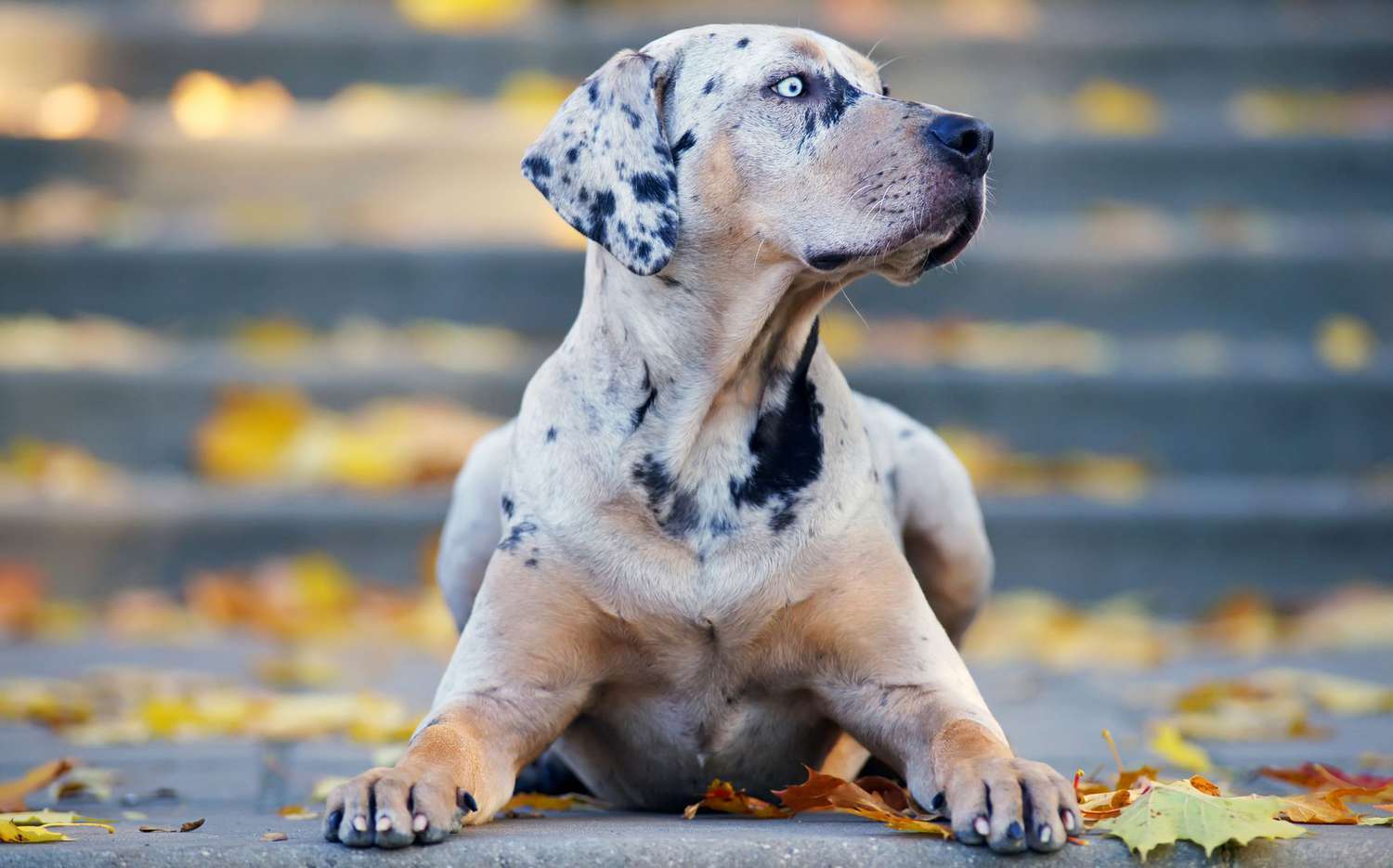
Collagen is one of the most important proteins in a dog’s body. It helps build and maintain skin, coat, joints, tendons, and connective tissue. As dogs get older or stay very active, their natural collagen production tends to slow down. This is why many pet owners look for a good collagen for dogs supplement.
There are different types of collagen, and they don’t all work the same way:
- Type I and Type III (usually in hydrolyzed form) mainly support skin, coat, and general connective tissue.
- Type II (especially in its undenatured form, often called UC-II) is more specifically studied for joint comfort.
Research on dogs has shown that bioactive collagen peptides can improve gait and quality of life in dogs with osteoarthritis. Other studies on undenatured Type II collagen have also reported better mobility and lower pain scores when used consistently.
When looking for a liquid collagen for dogs, it is useful to check a few points:
- Does the product clearly state the amount of each collagen type?
- Does it combine hydrolyzed Type I & III with undenatured Type II?
- Are the other ingredients (like omega-3 or MSM) also listed with amounts?
A more complete liquid formula will usually provide both structural collagen peptides and the joint-focused Type II form in one daily serving. One example of this approach delivers 462 mg of hydrolyzed Type I & III collagen plus 48 mg of undenatured Type II, along with supporting ingredients, in a simple 2 mL dose.
Results take time. Many owners notice changes in coat condition within a few weeks, while joint support usually needs consistent use over 8 to 12 weeks. Collagen is a nutritional support, not a medicine. It is always best to speak with a veterinarian before starting any new supplement, especially if your dog has existing health conditions.
If you want to see a liquid formula that combines both collagen types in measured amounts, you can check this option: liquid collagen for dogs.
Key Signs Your Dog May Need Collagen Support
Age-related decline in natural collagen production manifests in both physical appearance and daily movement. You might notice subtle mobility changes, such as hesitation before jumping into the car, stiffness when getting up from a nap, or a slower pace during daily walks. Beyond joint function, decreased collagen often leads to a dull, brittle coat, excessive shedding, dry or flaking skin, and cracked paw pads. Active working breeds, sporting dogs, and seniors are the most likely candidates to show these early structural deficits.
Why Liquid Supplements Often Outperform Chews and Powders
Liquid collagen formats offer distinct advantages in both bioavailability and ease of use compared to traditional dry treats or powders. Liquids integrate smoothly into wet or dry food, reducing the chance of rejection by picky eaters who avoid large tablets or strong-smelling powders. Additionally, liquid formulations bypass the binding agents, high heat, and artificial fillers often required to mold soft chews, allowing for pure bioactive peptides and faster absorption through the digestive tract.
Proper Dosing and Potential Side Effects
Collagen is well-tolerated by most canines because it is a naturally occurring structural protein, but introducing it correctly ensures optimal digestion. Standard dosing is primarily weight-dependent, making precision droppers or pumps essential to avoid under- or over-supplementing. Side effects are rare, though introducing any new protein source too quickly can occasionally cause mild, temporary loose stool. Checking the source material—such as bovine, marine, or avian collagen—is also important if your dog has known food allergies to specific animal proteins.
Synergistic Ingredients to Look for in Collagen Blends
While collagen is powerful on its own, its benefits are often magnified when combined with complementary joint and skin nutrients. Look for formulas that include hyaluronic acid for joint lubrication and skin hydration, MSM (methylsulfonylmethane) for natural anti-inflammatory support, and glucosamine or chondroitin to protect existing cartilage. Additionally, antioxidant-rich additions like vitamin C play a vital role, as dogs require this cofactor to synthesize and utilize new collagen fibers efficiently.
Preventative Use for Puppies and High-Impact Working Breeds
Collagen isn’t just for senior dogs showing signs of wear and tear; it serves as a valuable proactive tool for growing and working canines. Breeds predisposed to hip and elbow dysplasia, as well as agility, hunting, or service dogs, place immense repetitive strain on their connective tissues. Introducing bioavailable collagen during early adulthood helps reinforce tendon elasticity, support healthy cartilage development, and build a strong structural foundation that can reduce the risk of soft-tissue injuries later in life.