How to Combine Laser Hair Removal with Other Beauty Treatments Safely
-

- Published Updated
- 1,203 views
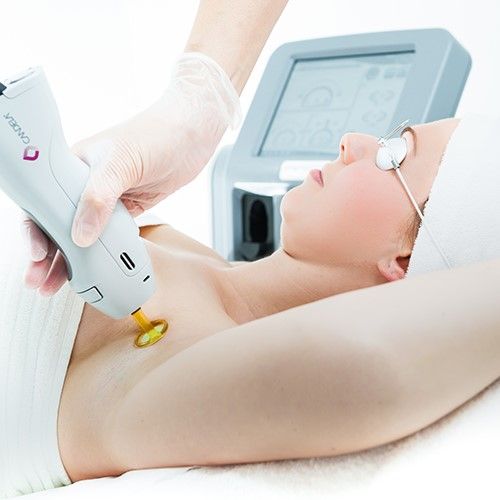
Combining laser hair removal with other beauty treatments is common as people seek efficient routines for smoother skin and longer-lasting results. Laser hair removal works by targeting melanin in hair follicles with concentrated light, and timing or pairing it with treatments such as chemical peels, microneedling, or cosmetic injectables can affect outcomes and skin sensitivity.
- Laser hair removal can be scheduled alongside other treatments, but timing matters.
- Avoid combining procedures that increase skin sensitivity in the same session.
- Follow provider guidance on pre- and post-care to reduce risks like pigment change and irritation.
- Consult licensed dermatologists or regulated clinics for assessment, especially for darker skin types.
laser hair removal and common beauty treatments: an overview
Understanding how laser hair removal interacts with other aesthetic procedures helps reduce complications and optimize results. Laser devices deliver thermal energy to hair follicles; nearby procedures that disrupt the epidermis, alter pigmentation, or provoke inflammation can change how skin responds to subsequent light-based therapy. Providers commonly consider skin type (Fitzpatrick scale), treatment area, device parameters, and recent skincare history when planning combined care.
Popular treatment combinations and practical timings
Chemical peels
Chemical peels exfoliate the epidermis to address texture and pigmentation. Superficial peels may be performed several weeks before or after laser hair removal if the skin has healed fully. Medium or deep peels increase sensitivity and should generally be scheduled at least 2–4 weeks apart from laser sessions, or longer if there is prolonged redness or peeling. Healing varies by peel strength and individual skin response.
Microneedling and radiofrequency microneedling
Microneedling creates controlled microinjuries to stimulate collagen. Because it temporarily disrupts the skin barrier, avoid performing microneedling within 1–2 weeks before or after laser hair removal, depending on the needle depth and post-procedure inflammation. Coordination reduces infection risk and pigmentary changes.
Laser resurfacing and intense pulsed light (IPL)
Laser resurfacing targets the epidermis and dermis for texture and scarring; it increases heat and inflammation. Do not combine resurfacing with laser hair removal on the same area in the same session. Interval recommendations vary, but waiting until the skin is fully re-epithelialized—often several weeks to months—helps prevent adverse effects. IPL devices use broad-spectrum light and may exacerbate photothermal effects if treatments are too close together.
Neuromodulators and dermal fillers
Injectables such as neuromodulators (e.g., botulinum toxin) and hyaluronic acid fillers have different mechanisms and are typically safe to schedule near laser hair removal, provided the injection site is separate from the laser area and there is no active inflammation. Many practitioners allow injectables either the same day or within a short interval when treating distinct zones; confirm with the administering clinician.
Waxing, threading, and electrolysis
Temporary hair removal methods that remove the follicle shaft (waxing, threading) should be avoided before laser hair removal because they remove the target pigment. Electrolysis destroys hair follicles with electrical current and is a different modality; switching between electrolysis and laser requires planning because each affects follicle integrity.
Risks, side effects, and which combinations to avoid
Combining laser hair removal with procedures that increase inflammation, exfoliation, or photosensitivity raises the risk of temporary side effects (redness, swelling) and longer-term issues such as hyperpigmentation or hypopigmentation and scarring. Darker skin tones have a higher risk of pigmentary changes due to melanin absorption; practitioners often reference guidelines from dermatologic societies and device manufacturers when treating diverse skin types.
Preparation, aftercare, and follow-up
Pre-treatment instructions commonly include avoiding sun exposure, stopping certain topical agents (retinoids, glycolic acids) for a period, and refraining from waxing or plucking hair in the treatment area. Aftercare goals are to minimize inflammation, prevent infection, and protect skin from UV light. Use gentle cleansers, prescribed topical products if advised, and broad-spectrum sun protection. Seek follow-up care if there are signs of infection, worsening pain, or unexpected pigment changes.
Choosing a qualified provider and evidence sources
Select a licensed dermatologist, certified laser clinician, or regulated clinic with device-specific training and experience. Providers should review medical history, medications, and recent aesthetic procedures before combining treatments. Regulatory agencies and professional bodies such as national dermatology associations publish guidance and safety information. The U.S. Food and Drug Administration maintains resources on medical laser devices and safety considerations for patients and clinicians: FDA: Laser Hair Removal Devices.
Practical checklist before combining procedures
- Disclose recent cosmetic treatments, topical medications, and sun exposure history.
- Confirm the treatment plan, interval timing, and expected recovery for each procedure.
- Ask about device type and operator credentials; request patch testing if unsure.
- Follow the provider's pre- and post-care instructions precisely, including sunscreen use and avoidance of irritants.
When to consult a dermatologist
Consultation with a board-certified dermatologist or other qualified clinician is recommended for complex cases: history of keloids or poor wound healing, active skin disease (eczema, dermatitis, infection), recent isotretinoin use, or darker skin tones where pigmentary risk is higher. Evidence-based recommendations and peer-reviewed studies help inform individualized plans; clinicians may refer to dermatology literature and device instructions for use.
FAQ
Can laser hair removal be combined with chemical peels?
Yes, but timing matters. Superficial peels may be spaced a few weeks from laser sessions after full healing. Stronger peels usually require a longer interval to reduce sensitivity and pigment risk. Follow individualized guidance from a qualified provider.
How long should one wait between microneedling and laser hair removal?
Typical guidance recommends waiting at least 1–2 weeks, longer if significant redness or open microchannels persist. The exact interval depends on the depth of microneedling and the specific laser parameters.
Is laser hair removal safe with injectables and fillers?
Laser hair removal is often compatible with injectables when treatment areas are separate and there is no active inflammation. Confirm scheduling and site separation with the clinician providing injectables.
Does skin type affect combining laser hair removal with other treatments?
Yes. Higher Fitzpatrick skin types have increased risk for pigmentary changes with heat-based or inflammatory procedures. Providers should tailor device settings and intervals and may perform test spots or patch testing.
How to reduce the risk of complications when combining laser hair removal?
Disclose treatment history, avoid concurrent exfoliating or photosensitizing procedures in the same area, follow pre- and post-care, and choose a trained, licensed provider. Seek medical evaluation for unexpected or prolonged symptoms.
Where to find official safety information about laser hair removal?
Authoritative sources include national regulatory agencies and dermatology professional societies that publish device safety and clinical guidance. The U.S. Food and Drug Administration offers device-specific information and safety tips for consumers and clinicians.