Complete Bathroom Renovations Guide: Plan, Design, and Add Value
-

- February 27th, 2026
- 1,489 views
Bathroom renovations are a common home improvement that can improve comfort, safety, and property value. Whether updating fixtures, changing the layout, or replacing finishes, a systematic approach helps control cost and minimize surprises.
- Define goals and budget before design decisions.
- Account for permits, waterproofing, and ventilation early.
- Choose durable materials and energy-efficient fixtures.
- Get multiple bids, verify licenses, and plan for inspections.
Bathroom renovations: planning and project goals
Start by clarifying the purpose of the remodel: increase storage, improve accessibility, update aesthetics, or resolve moisture problems. Establish a realistic budget and prioritize must-haves versus nice-to-haves. Include a contingency of 10–20% for unexpected issues such as hidden water damage or structural repairs.
Assess layout and structural constraints
Evaluate whether the existing plumbing stack and joist layout support a new layout. Moving plumbing lines or altering structural walls increases cost significantly. Consider a layout that minimizes plumbing relocations to save time and money.
Permits and building codes
Many jurisdictions require permits for changes to plumbing, electrical, and structural elements. Contact the local building department early to confirm requirements and inspection schedules. Relevant codes and standards are maintained by organizations such as the International Code Council; local enforcement details are available through municipal building offices (International Code Council).
Design, materials, and finishes
Choose materials suited to wet environments and anticipated use. Proper selection and installation of waterproofing, tile, grout, and fixtures prolong the life of the remodel and reduce maintenance needs.
Flooring and wall finishes
Ceramic or porcelain tile, natural stone with proper sealing, and water-resistant vinyl are common choices. Ensure subfloor preparation and membrane waterproofing are appropriate for the chosen finish to prevent moisture intrusion.
Waterproofing and moisture control
Effective waterproofing includes membranes at wet zones, properly sloped shower pans, and moisture-resistant backer boards behind tile. Include adequate ventilation (exhaust fans sized for the room) to limit mold and humidity-related damage.
Fixtures, fittings, and efficiency
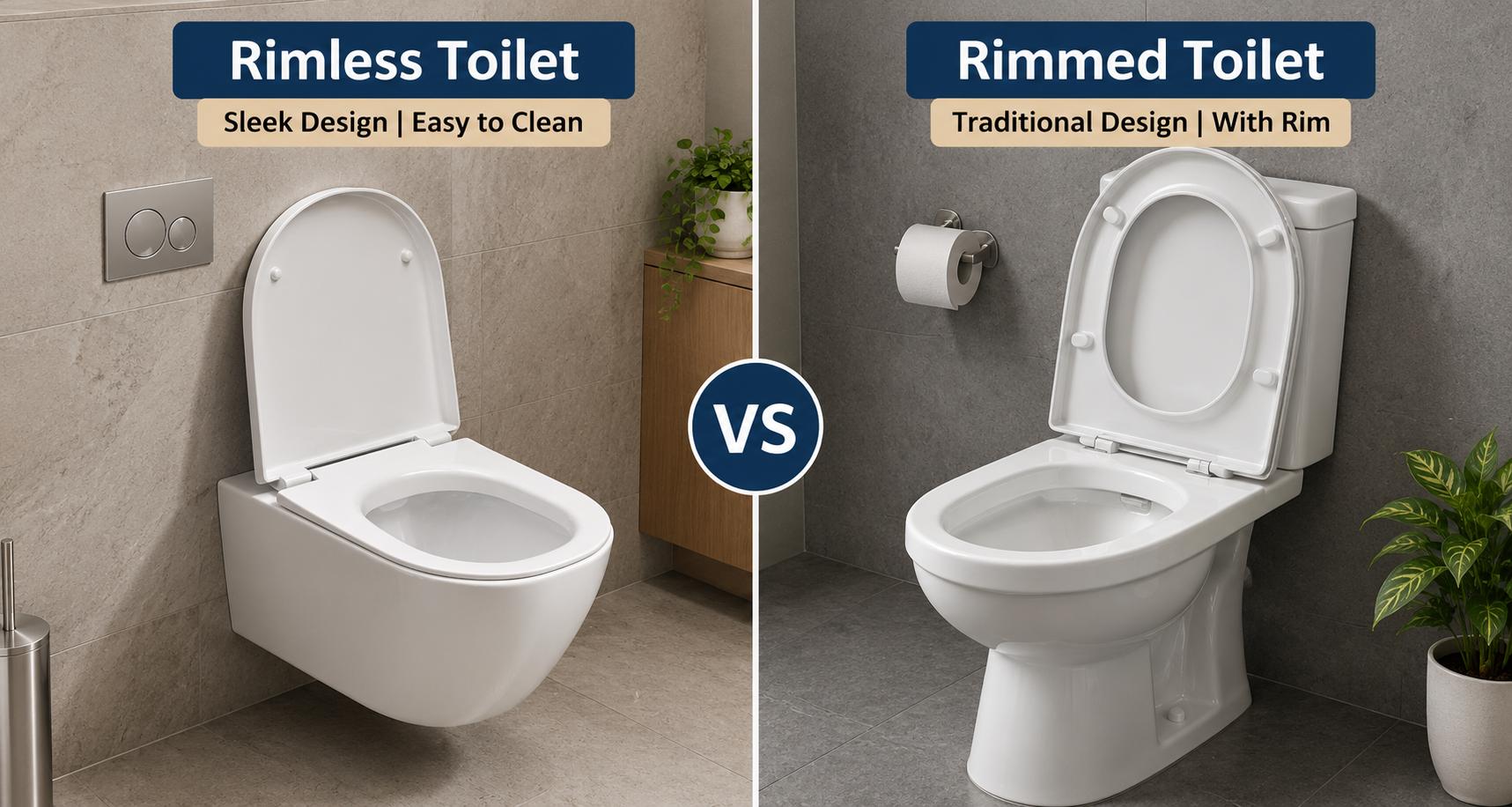
Select fixtures that balance aesthetics with durability. Water-efficient toilets, low-flow showerheads, and ENERGY STAR-rated lighting reduce long-term utility costs. Consider user needs such as grab bars, curbless showers, and non-slip flooring for accessibility.
Plumbing, electrical, and mechanical considerations
Major plumbing or electrical work should be handled by licensed professionals. Properly sized wiring, GFCI protection, and safe routing of water lines are critical for safety and code compliance.
Hot water and HVAC integration
Review hot water capacity and delivery. Tankless or higher-capacity water heaters may be needed for larger showers. Confirm that bathroom exhaust is vented to the exterior and that HVAC balances maintain comfort without promoting humidity buildup.
Hiring contractors and managing the build
Obtain at least three written bids and check references and licensing. A clear contract should list scope, materials, schedule, payment terms, and warranty information. Plan for site protection, debris removal, and temporary use of alternate bathroom facilities if needed.
Scheduling and timeline
Typical full bathroom remodels can take several weeks to a few months depending on scope. Coordinate trades—demolition, plumbing, framing, electrical, tiling, and finishing—to reduce idle time and avoid scheduling conflicts.
Inspections and quality checks
Schedule required inspections for framing, plumbing rough-in, electrical, and final approvals. Document work and obtain final permits and certificates where required to support future resale.
Maintenance and long-term value
Design choices influence long-term upkeep. Choose grout and sealants designed for bathrooms, install serviceable fixtures, and maintain proper ventilation to extend the life of finishes. Thoughtful design improves everyday usability and can increase resale appeal.
Routine care
Clean and reseal grout periodically, inspect caulking around tubs and showers, and service fans and fixtures per manufacturer guidance. Early attention to leaks and stains prevents costly repairs later.
Budgeting and return on investment
Costs vary by region, materials, and labor. Mid-range remodels often balance cost and value, while high-end choices can have longer payback periods. Track expenses, stick to priorities, and consider how improvements align with local housing market expectations.
Frequently asked questions
How long do bathroom renovations usually take?
Duration depends on scope: cosmetic updates can take one to two weeks, while full gut remodels typically take four to twelve weeks. Permitting, inspections, and material lead times can extend schedules.
What permits are commonly required for a bathroom remodel?
Typical permits cover plumbing, electrical, structural changes, and ventilation. Check with the local building department for specific requirements and inspection timelines.
How can moisture problems be prevented after a renovation?
Use proper waterproofing membranes, slope shower pans correctly, install a correctly sized exhaust fan vented outdoors, and select moisture-resistant backer boards and finishes.
What should be included in a contractor contract for a bathroom remodel?
Include a detailed scope of work, materials list, project schedule, payment milestones, warranty terms, and procedures for change orders and disputes. Verify contractor license and insurance coverage before signing.