Comprehensive Guide to Anxiety Treatments: Medication, Counseling, and Lifestyle Strategies
-

- Published Updated
- 1,864 views
Anxiety treatments encompass a range of medication options, counseling approaches, and lifestyle modifications that aim to reduce symptoms and improve daily functioning. This article summarizes common options, how they are used, typical benefits and risks, and sources of authoritative guidance.
- Medication may include antidepressants, anti-anxiety agents, and other prescriptions; effectiveness and side-effect profiles vary.
- Counseling commonly refers to cognitive behavioral therapy (CBT), exposure therapy, and other psychotherapies with established evidence bases.
- Lifestyle modifications such as regular exercise, sleep hygiene, stress-management techniques, and reduced substance use can support other treatments.
- Combined approaches are frequently recommended; decisions are typically based on symptom severity, patient preferences, and clinical evaluation.
- Consultation with licensed health professionals and regulators' guidance (for example, U.S. FDA and national health institutes) can help inform safe choices.
Overview of anxiety treatments
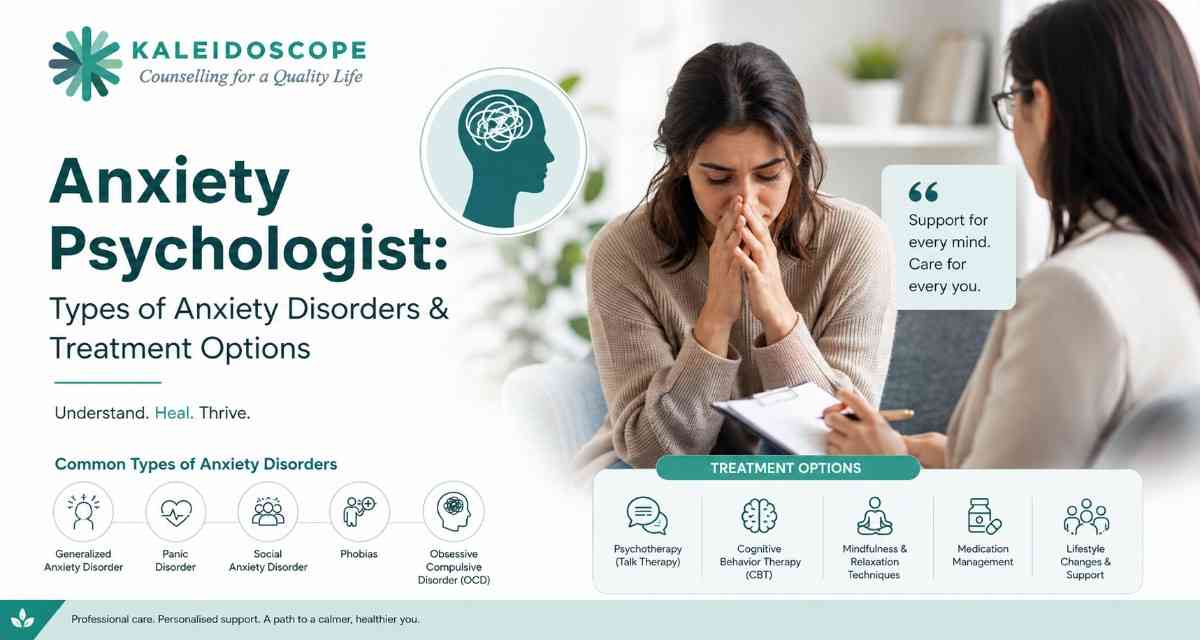
Anxiety treatments are selected based on diagnosis, symptom intensity, past treatment responses, medical history, and personal preferences. Common goals include reducing excessive worry, limiting avoidance behaviors, improving sleep and concentration, and restoring routine activities. Evidence for different options varies by disorder subtype (generalized anxiety disorder, panic disorder, social anxiety disorder, specific phobias, etc.). Official organizations such as the National Institute of Mental Health and professional associations publish treatment guidelines that summarize current evidence.
Medication options
Antidepressants
Selective serotonin reuptake inhibitors (SSRIs) and serotonin-norepinephrine reuptake inhibitors (SNRIs) are commonly prescribed for several anxiety disorders. These medications often require several weeks to take effect and may be continued for months to years depending on clinical response and relapse risk. Potential side effects can include gastrointestinal symptoms, sleep changes, or sexual dysfunction.
Anxiolytics and other agents
Benzodiazepines can reduce acute anxiety and panic symptoms quickly but are generally prescribed for short-term use because of risks of sedation, dependence, and tolerance. Other agents such as buspirone or certain antihistamines may be used in specific situations. Coordination with a prescriber is important to weigh benefits and risks.
Medication considerations and safety
Regulatory authorities, including the U.S. Food and Drug Administration (FDA), monitor approvals, warnings, and safety communications related to psychiatric medications. Medication choice should account for medical comorbidities, potential interactions with other drugs, pregnancy considerations, and patient goals. Regular follow-up and monitoring by a licensed prescriber are typical parts of safe medication management.
Counseling and psychotherapy approaches
Cognitive behavioral therapy (CBT)
CBT is among the most widely researched psychotherapies for anxiety disorders. It focuses on identifying maladaptive thoughts and behaviors and teaching skills such as cognitive restructuring and exposure-based techniques to reduce avoidance and fear responses.
Exposure and behavioral therapies
Exposure therapy—gradual and controlled confrontation with feared situations or stimuli—has strong evidence for specific phobias, panic disorder with agoraphobia, and social anxiety when delivered by trained clinicians. Behavioral activation and skills training are additional behavioral approaches used in care plans.
Other therapeutic models
Interpersonal therapy, acceptance and commitment therapy (ACT), and psychodynamic approaches may be beneficial for some individuals. Group therapy and family-based interventions can provide social support and skills practice in structured settings.
Lifestyle modifications that support symptom management
Physical activity and exercise
Regular aerobic and resistance exercise are associated with reductions in anxiety symptoms in many studies. Exercise may influence mood-regulating systems and helps with sleep and stress resilience.
Sleep, diet, and substance use
Sleep hygiene—consistent sleep schedules, limiting stimulants before bedtime, and reducing screen exposure—can improve daytime anxiety. A balanced diet and limiting alcohol, nicotine, and recreational substances are commonly recommended to reduce fluctuations in mood and anxiety.
Mindfulness, relaxation, and stress management
Practices such as mindfulness meditation, progressive muscle relaxation, and breathing exercises can reduce physiological arousal and support coping skills. Many behavioral programs integrate these techniques alongside therapy or medication.
Combining approaches and developing a treatment plan
Clinical evidence frequently supports combining psychotherapy with medication for moderate-to-severe anxiety or when rapid symptom reduction is needed alongside skills training. Treatment planning typically involves a diagnostic assessment by qualified professionals, goal-setting, monitoring of outcomes, and adjustments over time. Patient preference, treatment accessibility, cost, and potential side effects are practical factors in decision-making.
Evidence, guidance, and where to find more information
Systematic reviews and clinical practice guidelines from professional societies and public health agencies summarize available evidence and recommendations. For comprehensive, publicly curated information on anxiety disorders and treatments, consult national health resources such as the National Institute of Mental Health (NIMH): NIMH — Anxiety Disorders. Academic journals and guideline documents from psychiatric associations also provide detailed reviews of efficacy and safety.
Practical considerations and safety notes
Individuals considering treatment options are encouraged to seek evaluation from licensed clinicians—primary care providers, psychiatrists, psychologists, or licensed counselors—who can tailor plans to individual needs. Medication initiation and changes should be monitored, and any sudden worsening of symptoms or suicidal thoughts should prompt immediate contact with emergency services or crisis resources. Local regulatory agencies and professional boards can provide information about licensure and standards of care.
Frequently asked questions
What are common anxiety treatments?
Common anxiety treatments include medication (SSRIs, SNRIs, anxiolytics), evidence-based psychotherapies (CBT, exposure therapy), and lifestyle modifications such as exercise, sleep improvement, and stress-management techniques. Treatment plans are often individualized and may combine approaches.
How long does it take for medication to reduce anxiety symptoms?
Some medications may take several weeks to show full benefit; short-term agents may act faster but can carry different risk profiles. Regular follow-up with a prescriber helps assess response and side effects.
Is counseling effective without medication?
Therapy alone can be effective for many people, particularly those with mild to moderate symptoms or strong motivation for behavioral change. The choice between therapy alone, medication alone, or a combination depends on clinical factors and personal circumstances.
Where to find trusted guidance on anxiety treatments?
Trusted guidance is available from national public health institutes, licensed healthcare providers, and peer-reviewed clinical guidelines. Regulatory bodies such as the U.S. FDA provide safety information about medications, while national mental health institutes summarize disorder-specific evidence.
When should a clinician be contacted?
Contact a clinician if symptoms interfere with daily functioning, worsen, or if there are concerns about treatment side effects or safety. Immediate help is warranted for suicidal thoughts or behaviors.