Concentrated Growth Factor Treatments in Riyadh: A Practical Guide for Skin Rejuvenation
-

- February 23rd, 2026
- 1,350 views
Concentrated Growth Factor in Riyadh has gained attention as an autologous regenerative option for skin rejuvenation and hair restoration. The technique uses a patient’s own blood to concentrate platelets and growth factors into a fibrin matrix that can be applied or injected to support tissue repair, collagen stimulation, and wound healing.
- Concentrated Growth Factor (CGF) is an autologous platelet-derived product used in dermatology and aesthetic medicine.
- Applications include skin rejuvenation, hair restoration, and adjunctive use with microneedling or laser treatments.
- Evidence is evolving; some clinical studies report improvements but outcomes depend on technique and patient factors.
- Safety relies on sterile technique, qualified practitioners, and local regulation—patients should confirm clinic credentials.
Concentrated Growth Factor in Riyadh: Overview
Concentrated Growth Factor (CGF) is a platelet concentrate produced by centrifuging a small sample of whole blood to produce a dense fibrin matrix enriched with platelets, leukocytes, and growth factors such as PDGF, TGF-beta, and VEGF. Compared with other platelet concentrates like platelet-rich plasma (PRP), CGF protocols emphasize a specific centrifugation process yielding a firmer fibrin scaffold that can be handled as a gel or injected as a suspension. In Riyadh, CGF is offered in dermatology and aesthetic clinics as part of regenerative and anti-aging services.
How CGF Is Prepared and Used
Preparation process
Preparation involves venipuncture to collect autologous blood, followed by a controlled centrifugation protocol that separates components into layers. The resulting middle layer is a concentrated fibrin matrix that traps platelets and growth factors. Protocols vary across devices and clinics, and operator technique affects final product consistency.
Common clinical uses
Practices commonly use CGF for:
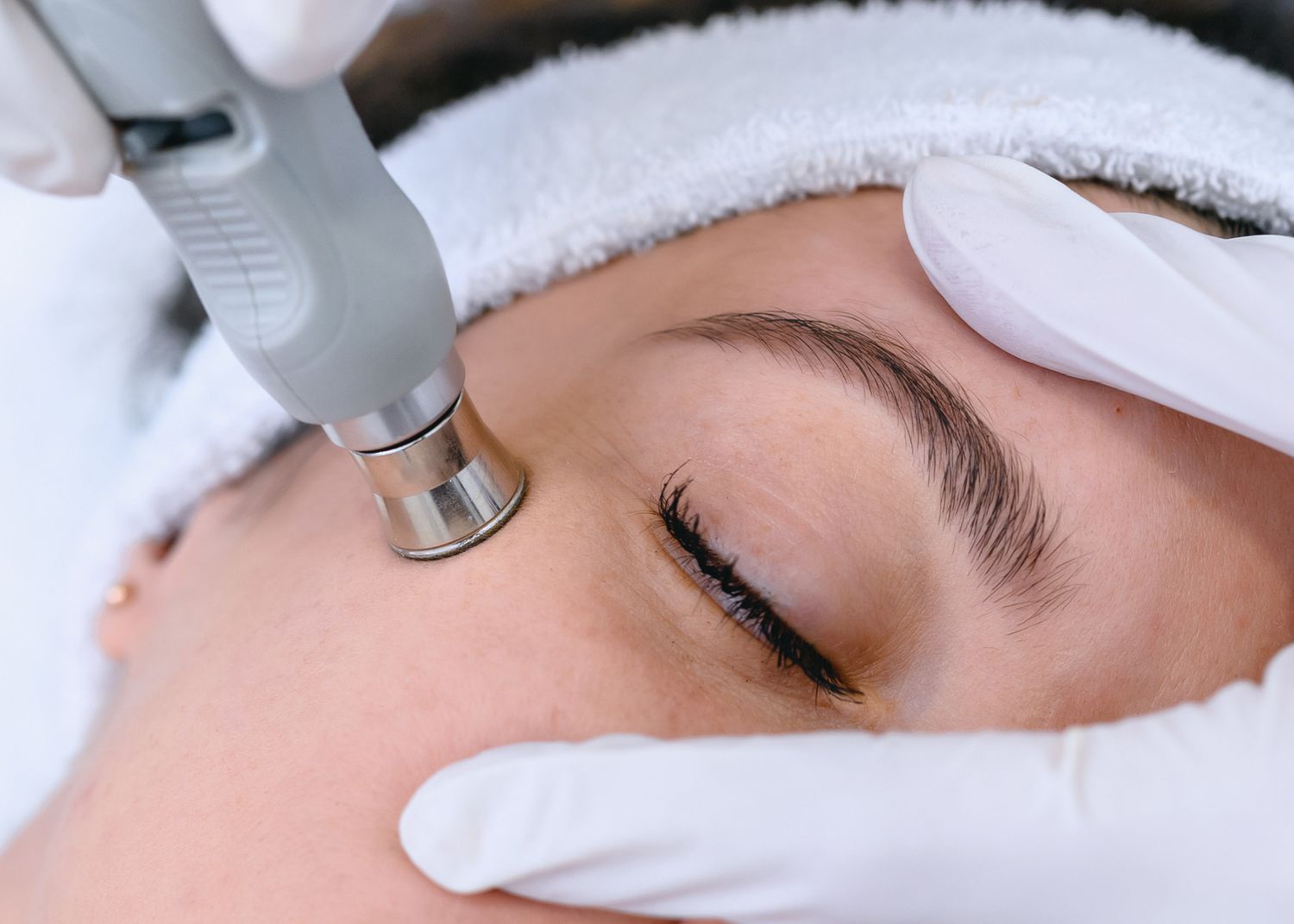
- Skin rejuvenation: injected into superficial dermis or combined with microneedling to support collagen synthesis and skin texture improvements.
- Hair restoration: injected into the scalp as a supportive treatment for hair thinning to stimulate follicles and enhance the microenvironment.
- Wound and scar management: applied or injected to enhance healing after minor procedures or to address atrophic scars.
- Adjunctive use: combined with lasers, fillers, or fat grafting to potentially improve tissue integration and recovery.
Evidence, Expectations, and Limitations
What clinical studies show
Published studies on platelet concentrates, including CGF and PRP, report variable outcomes. Some randomized and observational studies suggest modest improvements in skin quality, reduced fine lines, and increased hair density when CGF is used alone or with microneedling. Results depend on patient age, skin condition, treatment frequency, and laboratory protocol. Peer-reviewed journals and clinical trials provide the best sources for evidence; however, consensus recommendations vary and further high-quality trials are desirable.
Realistic expectations
Expect gradual improvements over weeks to months rather than immediate dramatic changes. Multiple sessions are often required to reach visible results. Outcome variability should be discussed during a pre-treatment consultation, and realistic goals should be set with a licensed practitioner.
Safety, Regulation, and Choosing a Clinic
Safety considerations
Because CGF is autologous, allergic reactions to the product itself are rare. However, risks include infection, bruising, localized pain, and suboptimal aesthetic outcomes. Sterile technique, proper handling, and practitioner training are central to reducing complications.
Regulation and professional oversight
Regulatory oversight in Riyadh is provided by national health authorities and professional licensing bodies. Clinics offering regenerative or aesthetic procedures should comply with national standards and be staffed by licensed physicians or trained specialists. Patients can consult the Saudi Ministry of Health and the Saudi Commission for Health Specialties for information about facility accreditation and practitioner licenses. For regulatory guidance and facility information, refer to the Saudi Ministry of Health website: https://www.moh.gov.sa.
Practical Considerations in Riyadh
Choosing a provider
When selecting a clinic in Riyadh, verify that the practitioner holds appropriate medical licenses, inquire about sterile processing protocols, and ask to see before-and-after documentation from comparable cases. Confirm whether the clinic follows evidence-based protocols and offers clear written consent explaining benefits, risks, and alternative options.
Cost and availability
Costs vary by clinic, the complexity of the procedure, and the number of sessions. CGF treatments in Riyadh are available in specialized dermatology and aesthetic centers; insurance coverage is uncommon for cosmetic applications. Obtain a written cost estimate and understand follow-up care policies before scheduling treatment.
Aftercare and Follow-up
Typical recovery
Post-treatment effects are generally mild and may include temporary redness, swelling, and bruising at injection sites. Aftercare recommendations vary by provider and may include avoiding intense sun exposure, strenuous exercise for 24–48 hours, and following any wound-care instructions provided by the clinic.
Monitoring results
Document changes with photographs and scheduled follow-ups. If unexpected pain, spreading redness, fever, or other concerning symptoms occur, seek medical evaluation promptly.
Resources and Further Reading
Information on clinical standards and professional licensing can be obtained from national health agencies and professional bodies such as the Saudi Commission for Health Specialties and international societies in dermatology and regenerative medicine. Peer-reviewed journals remain the primary source for up-to-date clinical evidence.
Frequently Asked Questions
What is Concentrated Growth Factor in Riyadh and how does it differ from PRP?
Concentrated Growth Factor (CGF) is a platelet-rich fibrin matrix obtained through a specific centrifugation protocol that produces a thicker, gel-like fibrin scaffold containing platelets and growth factors. PRP (platelet-rich plasma) is a liquid platelet concentrate. Both are autologous but differ in consistency, release kinetics of growth factors, and handling during procedures.
Is CGF safe for all skin types?
Safety depends on individual health status, the presence of active infections, bleeding disorders, or certain medications. Autologous origin reduces allergy risk, but a licensed provider should evaluate suitability and contraindications during consultation.
How many sessions are typically needed to see improvement?
Protocols vary; many treatment plans include multiple sessions spaced weeks apart. Noticeable improvement may take several weeks as tissue remodeling and collagen production progress.
How should a patient verify the qualifications of a clinic in Riyadh?
Confirm medical licenses, ask about staff training, review infection-control procedures, request before-and-after case examples, and verify facility accreditation through national health authorities or professional commissions.
Are results permanent?
Results are not necessarily permanent. Maintenance sessions may be recommended, and outcomes depend on age, lifestyle, and the underlying condition being treated.
For clinical questions or concerns about particular health conditions, consult a licensed healthcare professional. This article provides general information and does not replace professional medical advice.