Why Corporate Training is Essential for Future Ready Companies
-
- Published Updated
- 8,338 views
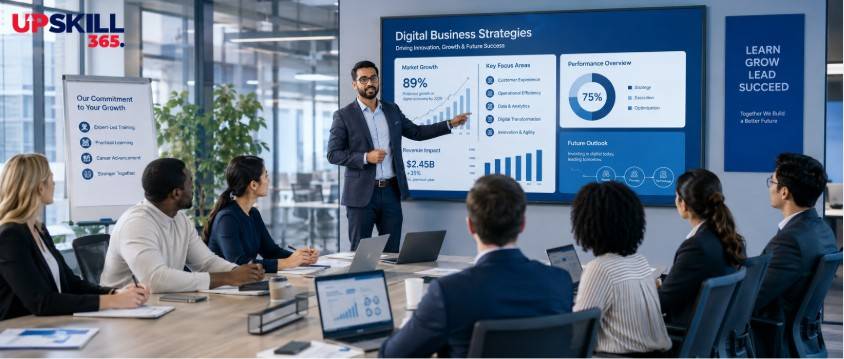
In today’s highly competitive business environment, organizations are constantly searching for ways to improve productivity, employee performance, and operational efficiency. One of the most effective ways to achieve these goals is through corporate training. Businesses across industries are investing in learning and development initiatives to strengthen workforce capabilities and prepare employees for rapidly changing market demands. From technical expertise to leadership development, corporate training helps organizations create a skilled and adaptable workforce capable of driving long-term success.
Modern businesses are no longer focused only on hiring talented employees. They also prioritize continuous learning and professional development to ensure employees stay updated with evolving technologies, market trends, and workplace expectations. A well-structured corporate training program enables companies to bridge skill gaps, improve employee engagement, and enhance overall organizational performance.
As industries continue to embrace digital transformation, automation, and innovation, the demand for advanced corporate solutions and professional development opportunities has significantly increased. Companies that invest in corporate training service initiatives are better equipped to adapt to change, improve employee retention, and maintain a competitive edge in the market.
Understanding Corporate Training
Corporate training refers to structured learning programs designed to improve employee skills, knowledge, productivity, and workplace performance. These training initiatives are tailored to align with business objectives while helping employees develop professionally and personally. Organizations implement corporate training across various departments, including technology, management, communication, sales, customer service, and operations.
The primary goal of corporate training is to equip employees with the skills necessary to perform their roles efficiently while preparing them for future responsibilities. Training programs may include classroom sessions, online learning, workshops, seminars, hands-on projects, and practical simulations.
Businesses of all sizes recognize that investing in employee development contributes directly to organizational growth. A strong corporate training program creates a culture of continuous learning where employees feel motivated to enhance their capabilities and contribute more effectively to company success.
Importance of Corporate Training in Modern Organizations
The modern workplace is evolving rapidly due to technological advancements and changing business models. Employees are expected to adapt quickly to new tools, systems, and processes. Without proper learning opportunities, organizations may struggle to maintain productivity and efficiency.
Corporate training plays a vital role in helping employees stay updated with industry trends and workplace requirements. It enhances technical expertise, improves communication skills, and strengthens leadership abilities. Organizations that prioritize employee learning are more likely to achieve sustainable growth and operational excellence.
A professional corporate training service also helps companies address common workplace challenges such as low productivity, poor communication, employee dissatisfaction, and skill shortages. By investing in employee development, businesses can improve team collaboration, customer satisfaction, and organizational performance.
Additionally, corporate training supports innovation by encouraging employees to learn new concepts, adopt modern technologies, and develop creative problem-solving skills. Companies that foster a learning culture often experience higher levels of employee engagement and business growth.
Benefits of Corporate Training for Businesses
Improved Employee Performance
One of the biggest advantages of corporate training is enhanced employee performance. Well-trained employees understand their responsibilities better and can perform tasks more efficiently. They are more confident in handling challenges, meeting deadlines, and achieving organizational goals.
Training also helps employees develop technical and professional skills that improve productivity and workplace efficiency. When employees receive proper guidance and development opportunities, they are more likely to contribute positively to organizational success.
Increased Employee Retention
Retaining talented employees has become one of the biggest challenges for organizations across industries. Employees often leave organizations when they feel there are limited growth opportunities. A well-designed corporate training program demonstrates that a company values employee development and career progression.
Organizations that provide continuous learning opportunities tend to retain skilled employees for longer periods. Employees appreciate companies that invest in their professional growth and are more likely to remain loyal to the organization.
Better Adaptability to Change
Businesses operate in dynamic environments where technologies and market trends change rapidly. Corporate training helps employees adapt to these changes effectively. Whether it involves implementing new software, adopting digital tools, or improving operational processes, training ensures employees remain prepared for evolving business requirements.
Companies that embrace corporate training solutions can respond more efficiently to industry changes and maintain a competitive advantage.
Enhanced Workplace Productivity
Employees who receive proper training are more efficient and productive in their roles. They can complete tasks accurately, reduce errors, and improve overall work quality. Productivity increases when employees understand best practices, industry standards, and organizational expectations.
A structured corporate training service enables businesses to streamline operations and optimize workforce performance.
Strengthened Leadership Skills
Leadership development is another important aspect of corporate training. Organizations need strong leaders who can guide teams, manage projects, and drive business growth. Management development programs help individuals strengthen leadership, communication, problem-solving, and strategic planning abilities.
A company with effective leadership is better positioned to achieve long-term success and organizational stability.
Types of Corporate Training Programs
Different organizations require different learning approaches depending on industry requirements and business objectives. Below are some of the most common types of corporate training programs implemented by modern businesses.
Technical Skills Training
Technical training focuses on improving employee expertise in specific technologies, software, tools, or industry-related skills. This type of corporate training is essential for employees working in information technology, engineering, manufacturing, healthcare, and other technical sectors.
Technical training ensures employees remain updated with the latest industry developments and technological advancements.
Soft Skills Training
Professional skills play a vital role in improving workplace performance and career growth. Communication, teamwork, problem-solving, leadership, and time management skills significantly influence employee performance and organizational culture.
Soft skills-based corporate training solutions help employees interact effectively with colleagues, clients, and stakeholders while improving workplace collaboration.
Leadership Development Training
Leadership training programs prepare employees for managerial and leadership responsibilities. These programs focus on strategic thinking, decision making, employee management, and business communication.
Organizations invest in leadership-focused corporate training program initiatives to build strong future leaders who can contribute to long-term business success.
Sales and Customer Service Training
Customer satisfaction and revenue generation are critical for business growth. Sales and customer service training helps employees improve communication, negotiation, relationship management, and customer handling skills.
Effective corporate training service initiatives in sales and customer service contribute directly to improved customer experiences and higher business profitability.
Compliance and Safety Training
Many industries require employees to follow specific legal, regulatory, and safety guidelines. Compliance training ensures employees understand workplace policies, ethical practices, and industry regulations.
Safety-related corporate training helps organizations reduce workplace risks and maintain a safe working environment.
Role of Corporate Solutions in Employee Development
Modern organizations require integrated corporate solutions to manage workforce development efficiently. Corporate solutions include learning management systems, digital learning platforms, skill assessment tools, performance tracking systems, and employee engagement technologies.
These solutions enable organizations to deliver flexible and personalized learning experiences. Employees can access training materials online, participate in virtual workshops, and complete assessments remotely.
Digital corporate solutions also provide businesses with valuable insights into employee performance and training effectiveness. Organizations can identify skill gaps, monitor learning progress, and optimize training strategies based on data-driven analysis.
As remote work and hybrid work models continue to grow, technology-based corporate solutions are becoming increasingly important for delivering effective training experiences.
Designing an Effective Corporate Training Program
Creating a successful corporate training program requires careful planning and strategic implementation. Organizations must align training objectives with business goals and employee development needs.
Identifying Training Needs
The first step in designing a corporate training program is identifying skill gaps and organizational requirements. Companies should assess employee performance, industry trends, and future business goals to determine appropriate training priorities.
Training needs analysis helps organizations create targeted learning initiatives that deliver measurable results.
Setting Clear Objectives
Every corporate training initiative should have clear objectives and expected outcomes. Businesses must define what employees should learn, how performance will improve, and how training success will be measured.
Clear goals help ensure that training efforts align with organizational strategies and employee expectations.
Choosing the Right Training Methods
Organizations can choose from various training methods, including classroom learning, online courses, workshops, mentoring, simulations, and hands-on projects. The choice of training method depends on organizational goals, employee preferences, and available resources.
Modern corporate training solutions often combine traditional and digital learning approaches to create flexible and engaging learning experiences.
Measuring Training Effectiveness
Measuring the effectiveness of a corporate training service is essential for continuous improvement. Businesses should evaluate employee performance, productivity levels, skill development, and training feedback.
Regular assessment helps organizations optimize training strategies and maximize return on investment.
Impact of Technology on Corporate Training
Technology has transformed the way organizations deliver learning and development programs. Traditional classroom training is increasingly being replaced by digital learning platforms, virtual classrooms, mobile learning applications, and interactive training tools.
E-learning platforms allow employees to access training materials anytime and anywhere, making learning more flexible and convenient. Video tutorials, webinars, gamification, and virtual simulations enhance employee engagement and improve knowledge retention.
Artificial intelligence and data analytics are also playing a growing role in corporate training solutions. AI-powered systems can personalize learning experiences based on employee performance and skill levels.
Cloud-based corporate solutions enable businesses to manage large-scale training programs efficiently while supporting remote and hybrid work environments.
Challenges in Corporate Training
Although corporate training offers numerous benefits, organizations may encounter certain challenges during implementation.
Limited Employee Engagement
Some employees may lack motivation or interest in training programs. Organizations must create engaging and interactive learning experiences to encourage active participation.
Budget Constraints
Small and medium-sized businesses may face financial limitations when implementing training initiatives. However, digital corporate training solutions provide cost-effective learning alternatives that reduce training expenses.
Time Management Issues
Balancing training schedules with daily work responsibilities can be challenging. Flexible learning options such as online training and self-paced courses help employees manage their learning effectively.
Rapid Technological Changes
Industries evolve quickly, requiring businesses to update training content regularly. Organizations must continuously adapt their corporate training program strategies to remain relevant and effective.
Future Trends in Corporate Training
The future of corporate training is shaped by technology, innovation, and changing workforce expectations. Organizations are increasingly adopting advanced learning methods to improve employee engagement and development.
Personalized Learning Experiences
Personalized learning allows employees to follow customized training paths based on their skills, interests, and career goals. AI-driven corporate training solutions make personalized learning more accessible and effective.
Virtual and Augmented Reality Training
Virtual reality and augmented reality technologies are being used to create immersive learning experiences. These technologies allow employees to practice real-world scenarios in safe and interactive environments.
Microlearning
Microlearning involves delivering short and focused training modules that employees can complete quickly. This approach improves knowledge retention and supports continuous learning.
Remote Learning and Hybrid Training
Remote work has increased the demand for online learning platforms and virtual training environments. Organizations are investing in digital corporate solutions to support flexible learning models.
Data-Driven Learning Strategies
Businesses are using analytics and performance tracking tools to measure training effectiveness and optimize learning programs. Data-driven insights help organizations improve employee development initiatives.
Why Businesses Should Invest in Corporate Training
Investing in corporate training is no longer optional for businesses seeking long-term growth and sustainability. Skilled employees contribute directly to organizational success by improving productivity, innovation, customer satisfaction, and operational efficiency.
Companies that prioritize employee development are better prepared to handle industry changes, technological advancements, and market competition. A well-planned corporate training program creates a positive work culture where employees feel valued, motivated, and empowered.
Professional corporate training service initiatives also strengthen employer branding by demonstrating commitment to employee growth and career development. This helps organizations attract top talent and maintain a competitive workforce.
Corporate training solutions provide businesses with the flexibility, scalability, and efficiency needed to manage workforce development effectively in modern work environments.
Conclusion
Corporate training has become an essential component of business success in the modern corporate world. Organizations that invest in employee development create stronger teams, improve workplace productivity, and enhance long-term business performance. From technical expertise and leadership development to communication and customer service skills, corporate training equips employees with the knowledge and confidence required to succeed in competitive industries.
Businesses that implement strategic corporate solutions and effective corporate training program initiatives can adapt more efficiently to changing market conditions and technological advancements. By leveraging advanced corporate training service strategies and modern corporate training solutions, organizations can build a skilled workforce capable of driving innovation and sustainable growth.
For companies seeking reliable learning and workforce development opportunities, UpSkill365 offers professional approaches designed to support employee growth and organizational success.
Contact Us:
+91 7845736974
227, 4th Floor,Church Road, Anna Nagar, Madurai, Tamil Nadu, India.