Why Cotton and Linen Are the Only Fabrics Worth Packing for Tropical Destinations
-

- May 29th, 2026
- 4,388 views

FREE SEO Topical Map Generator: Find Your Next Content Ideas
If you have ever arrived at a tropical destination wearing the wrong fabric, you know the specific misery that follows. You are sticky before you have left the airport. Your clothes look like you slept in them by ten in the morning. No amount of air conditioning fully recovers the situation.
Fabric choice is not a minor detail when you are traveling to a hot, humid climate — it is everything. And after years of collective travel wisdom, the answer is consistently the same: cotton and linen.
The Science of Staying Cool
In a tropical climate, your body regulates temperature through perspiration. For that system to work, your clothing needs to do two things: allow air circulation to the skin and wick moisture away efficiently. Natural fibers like cotton and linen do both of these things well. Most synthetic fabrics do neither.
Polyester and nylon trap heat and moisture against the skin. They may feel fine in a controlled environment, but in 90-degree heat with 80 percent humidity, they make you noticeably more uncomfortable than their natural counterparts.
The Case for Linen
Linen is derived from flax and has been the fabric of choice in hot climates for thousands of years. There is a reason it is historically associated with Mediterranean summers, tropical resorts, and everyone who has ever appeared effortlessly cool in extreme heat.
Linen is approximately 30 percent more moisture-absorbent than cotton, meaning it pulls sweat away from the skin even more effectively. It also allows more air circulation than almost any other woven fabric. In practical terms: it keeps you cooler for longer.
Yes, linen wrinkles. This is its one universally cited criticism. But in a tropical context, slightly wrinkled linen looks relaxed and intentional — it is part of the aesthetic, not a flaw. Modern linen-cotton and linen-viscose blends wrinkle significantly less than pure linen while retaining most of the breathability benefits.
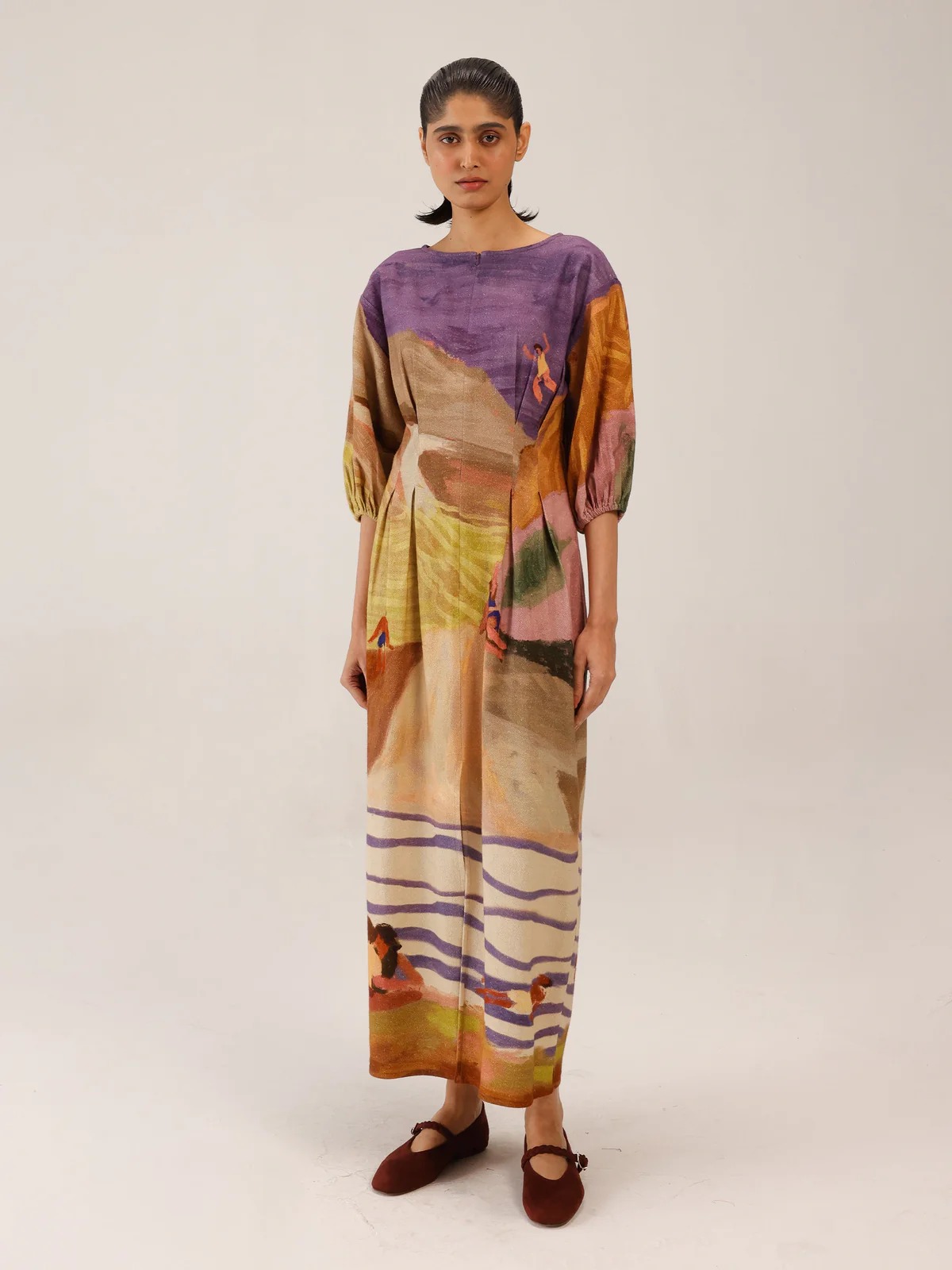
Some of the most thoughtfully constructed travel outfit woman options use exactly these linen-blend fabrics — designed to look polished in a tropical setting while keeping you genuinely comfortable throughout the day.
The Case for Cotton
Cotton is the reliable, versatile workhorse of the tropical wardrobe. Lightweight cotton — chambray, voile, poplin, lawn — breathes beautifully, softens with each washing, and works across an enormous range of occasions from the beach to a rooftop restaurant.
The key is choosing the right weight. Heavy canvas or thick denim are obviously wrong for tropical travel. But a light cotton poplin blouse or a gauzy cotton sundress? Nearly perfect for the environment.
Cotton is also the most skin-friendly option for people who find synthetic fabrics irritating in heat. If you run warm or have sensitive skin, cotton should form the backbone of your tropical wardrobe.
What About Rayon and Viscose?
Rayon and viscose are semi-synthetic fibers derived from cellulose. They breathe reasonably well, drape beautifully, and are widely used in resort wear. They are an acceptable option for tropical travel, particularly in flowing silhouettes like maxi dresses and wide-leg trousers.
The main downsides: they wrinkle more easily than linen or cotton and can feel less durable after repeated washings. If you are choosing between rayon and a natural fiber, go natural — but rayon is not a disaster as a secondary choice.
The Fabrics to Leave at Home
• Polyester: traps heat, does not breathe, can develop odor in humidity
• Nylon: same problems as polyester in warm-weather contexts
• Acrylic: genuinely uncomfortable in sustained heat
• Heavy denim: too hot, too heavy, takes forever to dry
• Velvet, thick wool, or corduroy: clearly wrong for tropical climates
Practical Packing Tips for Cotton and Linen
• Choose lighter colors, which reflect heat more effectively than dark tones
• Opt for looser silhouettes since airflow is the mechanism keeping you cool
• Pack a wrinkle-releasing spray if you are particular about linen creases
• Hang linen overnight and most wrinkles fall out on their own
• Linen-cotton blends pack more efficiently than 100 percent linen
When shopping for a tropical trip, focus on collections of vacation clothes that specifically highlight linen and cotton construction — the fabric information tells you as much about a piece's suitability for tropical travel as the cut and style do.
The Bottom Line
Your comfort in a tropical destination is largely determined before you leave home, through the fabrics you choose to pack. Cotton and linen are not just traditional choices — they are sound ones backed by the way these materials actually function in heat and humidity. Pack them generously, leave the synthetics for different climates, and you will feel and look genuinely good every single day of your trip.