Affordable Calgary Landscaping: Smart Budget Strategies for Beautiful Yards
-

- March 06th, 2026
- 189 views

Get a free topical map and start building content authority today.
Creating an attractive yard in a prairie climate is achievable without overspending. This guide focuses on affordable landscaping Calgary homeowners can implement, from plant selection and layout to phased installation and maintenance strategies that reduce long-term costs. The advice balances curb appeal, drought tolerance, and municipal rules so projects stay attractive and compliant.
- Primary focus: affordable landscaping Calgary with durable, low-cost solutions.
- Includes the C.L.E.A.R. Landscaping Framework, a budget checklist, and a real-world example.
- Detected intent: Informational
affordable landscaping Calgary: A practical approach
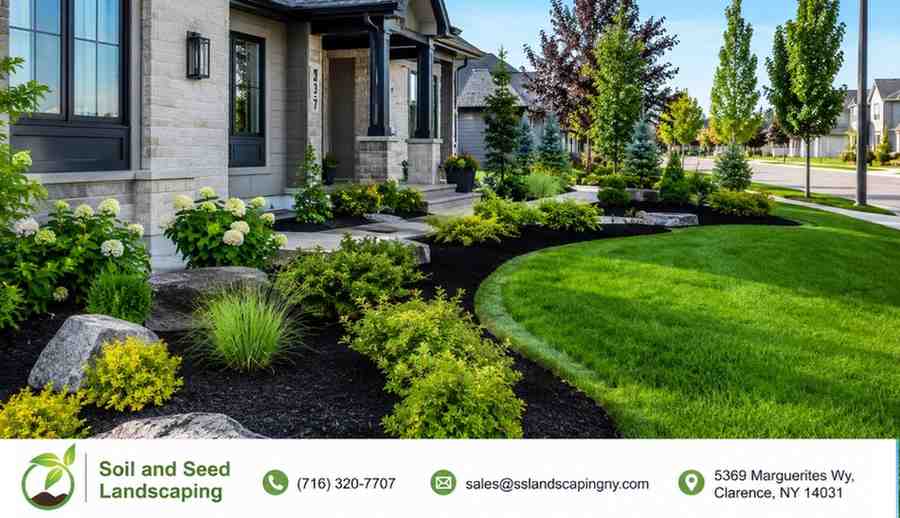
Start with goals and constraints: desired look, usable areas, sun exposure, soil type, and a realistic budget. Prioritize improvements that have the highest visual impact per dollar—pathways, mulch beds, and a few well-placed plants—rather than trying to replace the entire yard at once.
C.L.E.A.R. Landscaping Framework (Checklist for low-cost success)
Use this named framework to plan decisions and keep spending focused.
- C — Choose right plants: Favor hardy native and drought-tolerant plants suited to Calgary’s cold winters and short growing season.
- L — Layout smartly: Group plants by water needs, create simple beds, and use hardscape to define spaces efficiently.
- E — Economize materials: Source recycled pavers, buy mulch in bulk, and do foundational labor in phases.
- A — Add focal points: Use one or two anchors (a tree, a bench, or a small rock garden) to create a finished look with minimal cost.
- R — Regular maintenance: Budget for seasonal pruning, mulching, and weeding; good maintenance reduces replacement costs.
Assess site conditions and costs
Measure the space, note slopes and drainage, and test soil where possible. Common cost buckets: plants and soil amendments, hardscape (pavers, edging), mulch and groundcover, irrigation or simple hoses, and labor. A phased budget keeps initial outlay low while allowing improvements over time.
Permits and local rules
Check municipal guidelines for tree protection, driveway changes, or front-yard structures before starting—noncompliance can add unexpected costs. For local regulations and resources, consult the City of Calgary website https://www.calgary.ca.
Plant selection and design for Calgary
Choose plants that handle cold winters, wind, and periodic drought. Examples include native grasses, hardy shrubs, and early- to mid-season perennials. Using a mix of evergreen and deciduous elements adds year-round interest with fewer plants.
Low-maintenance yard Calgary strategies
- Group plants by water needs to reduce watering time and waste.
- Use mulch to suppress weeds and retain moisture—one of the highest ROI soil improvements.
- Favor container gardens and raised beds for small budgets or poor soil.
Drought-tolerant plants Calgary examples
Consider species known for drought resilience in prairie climates: native grasses (e.g., blue oat grass), sedums, dwarf shrubs, and select ornamental grasses. These reduce irrigation needs and long-term maintenance.
Phased budget plan and a short real-world example
Phasing work spreads costs and lets the yard mature. Example scenario: a 500 sq ft front yard with a $3,000 total budget.
- Phase 1 — Core structure ($900): Soil amendment in bed areas ($150), mulch bulk ($200), edging ($150), two focal shrubs ($200), and DIY labor ($200).
- Phase 2 — Fill and texture ($1,100): Add ornamental grasses and perennials in groupings, small tree sapling, and a simple gravel path.
- Phase 3 — Finishing touches ($1,000): Bench or focal rock, container plants, and seasonal planting for color.
This staged approach allows for immediate visual improvement while keeping future upgrades optional.
Practical tips to save money and boost durability
- Buy young plants or plugs: Lower cost than mature specimens and establish faster with proper watering.
- Use mulch and groundcovers to reduce both weeds and watering needs—mulch is inexpensive and has outsized benefits.
- DIY where safe: Install mulch, plant perennials, and lay simple gravel paths without specialized equipment.
- Shop community exchanges: Local plant swaps, municipality giveaways, and native-plant societies reduce plant costs and increase survival rates.
Trade-offs and common mistakes
Trade-offs
Choosing lower-cost materials or smaller plants reduces initial spend but may increase time to a mature look. Conversely, spending more on hardscape brings immediate curb appeal but can use up a budget that would have supported more planting diversity.
Common mistakes
- Skipping soil improvement—poor soil limits plant survival and increases replacement costs.
- Planting species unsuited to local climate—results in extra watering and replacement.
- Buying too many focal elements—dilutes impact and drives up cost without adding clarity to the design.
Maintenance plan for long-term savings
Schedule seasonal tasks: spring cleanup and mulching, summer watering checks, fall pruning and protection, and winter assessment. Small, regular investments in maintenance extend plant life and reduce replacement costs.
Core cluster questions
- How much does basic front-yard landscaping cost in Calgary?
- What are the best drought-tolerant native plants for Calgary yards?
- How to design a low-maintenance yard for prairie climates?
- What permits are needed for landscaping changes in Calgary?
- How to phase a landscaping project to spread costs?
Practical checklist before starting
- Measure and map the area; note sun, shade, and drainage.
- Set a realistic phased budget and prioritize high-impact items.
- Choose plants suited to soil and climate; buy smaller specimens to save cost.
- Plan simple hardscape lines to frame beds and paths.
- Create a seasonal maintenance schedule.
Final considerations
Affordable landscaping in Calgary depends on making resilient, climate-appropriate choices and spreading work across phases. The C.L.E.A.R. framework and the budget example above provide a practical path: prioritize soil and mulch, pick drought-tolerant plants, and use simple hardscaping to make a small budget look intentional and complete.
FAQ: What is affordable landscaping Calgary and how to start?
Affordable landscaping Calgary means creating a durable, attractive yard that suits the local climate while minimizing upfront and ongoing costs. Start by mapping the site, improving soil, adding mulch, choosing hardy plants, and phasing work to match the budget.
FAQ: Which drought-tolerant plants work best in Calgary?
Plants that handle cold and dry spells—ornamental grasses, sedums, certain native perennials, and dwarf shrubs—are reliable choices. Group by water needs and use mulch to enhance drought resilience.
FAQ: How can a homeowner reduce landscaping costs without sacrificing appearance?
Prioritize high-visibility elements (paths, beds, a focal plant), use mulch and groundcover liberally, buy younger plants, and do labor-intensive tasks like mulching and planting to save on contractor costs.
FAQ: Do landscaping projects in Calgary require permits?
Some changes—large tree removals, major grading, or modifications that affect public right-of-way—may require municipal permits. Consult local resources before major work.
FAQ: How long before a budget landscape looks finished?
With young plants and focused hardscape, a pleasing look can appear within the first season. Full maturity depends on plant selection—grasses and perennials fill in faster; trees and large shrubs take several seasons.