Creative Exhibition Stands: 25 Ideas for Unforgettable Trade Show Booths
-

- Published Updated
- 1,607 views
Introduction
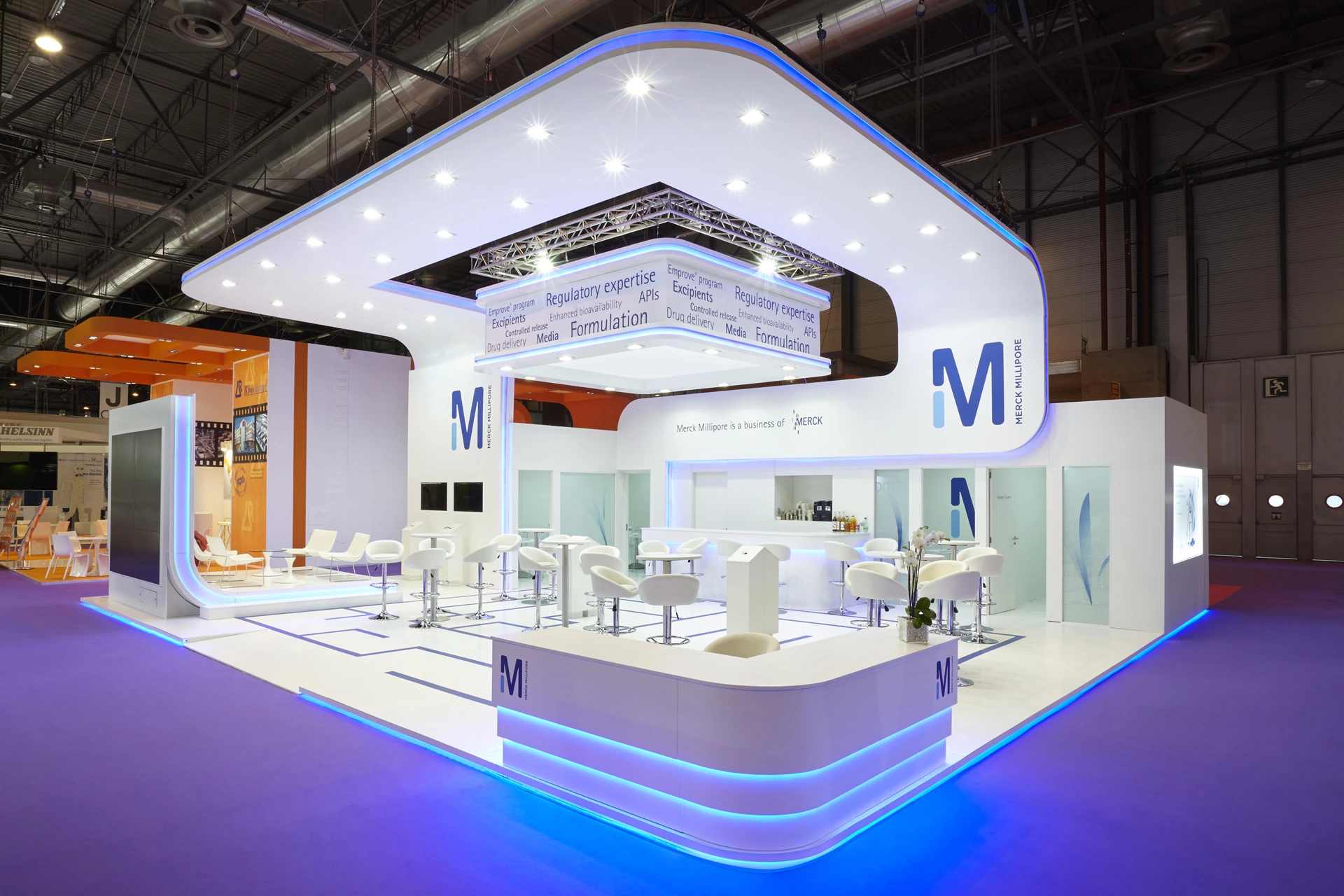
Designing memorable exhibition stands is essential for brands that want to attract attention at trade shows and events. A thoughtfully conceived stand combines visual appeal, clear messaging, and interactive elements to turn casual visitors into engaged prospects. This guide outlines creative ideas, practical considerations, and measurable tactics to build an unforgettable presence on the show floor.
- Prioritize clarity of message, visitor flow, and sensory impact.
- Use technology, modular design, and storytelling to boost engagement.
- Plan logistics, safety, and sustainability early; consult industry bodies.
- Measure success with both on-stand metrics and post-event follow-up.
Design principles for exhibition stands
Clarity and brand hierarchy
Clear visual hierarchy helps attendees understand the offer in seconds. Prioritize a concise tagline, readable typography, and one striking visual anchor. Avoid wall-to-wall messaging; choose one primary call-to-action such as product demo, sign-up, or scheduled presentation.
Visitor flow and spatial planning
Plan circulation to prevent bottlenecks. Use open sightlines to welcome passersby, and create defined zones for demonstration, discussion, and takeaway materials. Consider sightlines from neighboring aisles and the event’s traffic patterns when placing key elements.
Lighting, materials, and tactile cues
Lighting can direct attention and set mood—use accent lights to highlight products and softer illumination for meeting areas. Select durable materials suited to repeated assembly, and include tactile surfaces or samples to encourage hands-on interaction.
Accessibility and safety
Design for accessibility by providing step-free access, clear signage, and sufficient aisle width. Follow local fire codes and workplace safety guidance from regulators such as OSHA, and coordinate with event organizers on load-in/load-out procedures.
Creative exhibition stands ideas
Immersive storytelling environments
Build a short narrative that unfolds as visitors move through the stand: introductory graphics at the entry, an interactive centerpiece for demonstration, and a calm meeting space for conversion. Use soundscapes or projection mapping sparingly to enhance storytelling without overwhelming visitors.
Modular and multi-functional booths
Modular systems allow customization for different event sizes while reducing storage and transport costs. Consider collapsible walls, interchangeable graphics, and modular counters that convert between demo stations and seating.
Live demonstrations and maker spaces
Live demos attract crowds and provide proof of concept. Schedule short, frequent demonstrations with clear start times to manage audience expectations. Maker tables or live-build showcases let visitors see products in action and increase dwell time.
Augmented reality and interactive screens
AR apps and touchscreens let visitors explore complex products or configurations without physical inventory. Combine hands-on hardware where possible, and ensure content is intuitive with simple prompts and staff support.
Green design and sustainability
Use recyclable graphics, LED lighting, and reusable modular components to reduce waste. Communicate sustainability choices on a display panel to reinforce brand values and meet growing attendee expectations for environmental responsibility.
Practical considerations: logistics, regulations, and budgeting
Early planning and vendor coordination
Lock in the venue specifications, freight schedules, and electrical needs well in advance. Work with experienced fabricators and local contractors for installation to minimize on-site delays.
Compliance and permits
Confirm dimensional limits, rigging rules, and fire-safety requirements with event organizers. Consult authoritative industry guidance such as the International Association of Exhibitions and Events (IAEE) for best practices and resources.
Cost control and return on investment
Balance standout features with reusable elements to spread cost across events. Track leads, meeting conversions, and on-stand engagement metrics to calculate cost per qualified contact rather than focusing solely on build cost.
Measuring success and follow-up
On-stand metrics
Collect metrics such as visitor counts, demo sign-ups, badge scans, and dwell time. Use simple QR codes or badge-scanning tools to capture opt-in contact details for follow-up.
Post-event nurture
Segment contacts captured by interest area and follow up with targeted content within a week. Combine personalized emails, product videos, and scheduled calls to convert leads while the event impression is still fresh.
Conclusion
Memorable exhibition stands merge strong visual design, clear messaging, and interactive elements with careful logistical planning and measurable outcomes. Prioritizing visitor experience, safety, and sustainability yields better engagement and a stronger return from trade show participation.
Frequently asked questions
What are exhibition stands and why do they matter?
Exhibition stands are dedicated spaces at trade shows or events where organizations present products, services, and brand messages. They matter because a well-designed stand attracts attendees, communicates value quickly, and creates opportunities for meaningful conversations and lead generation.
How much do exhibition stands typically cost?
Costs vary widely depending on size, construction, technology, and whether components are custom or modular. Budget for space rental, build and fabrication, transport, staffing, and marketing collateral. Reusable modular systems often lower per-event costs over time.
How can sustainability be incorporated into booth design?
Choose reusable materials, recyclable graphics, energy-efficient lighting, and local fabrication to reduce transport. Clearly communicate sustainability choices on-stand to inform attendees and align with corporate responsibility goals.
What safety and compliance checks are important before an event?
Verify structural integrity, electrical installations, fire-safety compliance, and accessibility. Coordinate permits and approvals with event organizers and follow local regulations and industry guidance to avoid fines or on-site shutdowns.