The Ultimate Guide to Choosing High-Performance Cricket Practice Nets
-

- Published Updated
- 1,678 views
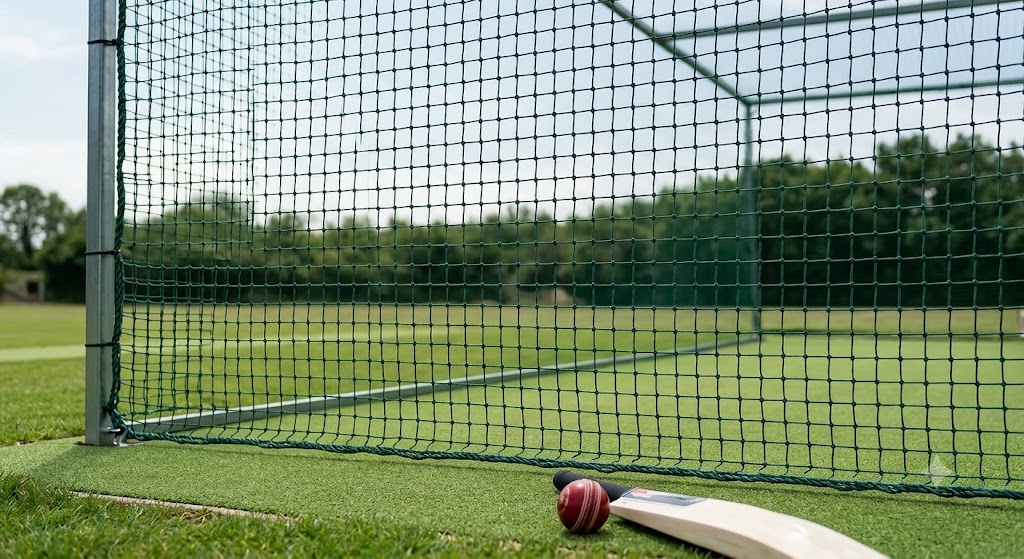
Cricket is a sport driven by precision, repetition, and technical perfection. Whether you are an aspiring professional working on your cover drive, a fast bowler fine-tuning your seam position, or a club owner setting up state-of-the-art training facilities, continuous practice is the foundation of success. However, practicing efficiently requires a safe, controlled, and well-designed environment. This is where high-quality cricket practice nets become an indispensable tool for players, coaches, and sports academies alike.
Setting up a dedicated cricket cage or practice pitch eliminates the continuous hassle of retrieving balls, speeds up training sessions, and protects surrounding properties from stray hits. Platforms like Netskart specialize in providing heavy-duty, weather-resistant netting solutions tailored for outdoor and indoor setups. In this comprehensive guide, we will explore everything you need to know about selecting, installing, and maintaining cricket practice nets.
Key Benefits of Installing Quality Cricket Practice Nets
Cricket balls—especially hard leather balls weighing around 156 grams—travel at tremendous speeds. A poorly constructed net made from substandard materials will fray quickly, sag under pressure, or tear completely after a few power-hitting sessions. Investing in high-grade practice nets offers several distinct advantages:
Maximum Ball Containment: High-density nets absorb the impact of high-velocity leather and tennis balls without stretching out of shape or tearing.
Enhanced Safety: Enclosed practice cages ensure that players, spectators, nearby windows, and vehicles remain completely safe during intense practice sessions.
All-Weather Durability: Outdoor cricket nets are exposed to harsh sunlight, monsoon rain, and shifting temperatures. Quality nets feature UV stabilization to prevent dry rot and material degradation.
Increased Training Efficiency: Bowlers can run through their overs rapidly without waiting for fielders to retrieve the ball, maximizing every minute of practice time.
Essential Specifications to Consider Before Buying
When choosing the ideal net for your home, school, or sports club, understanding the technical specifications will help you make an informed decision.
1. Material & Polymer Quality
Most high-performance cricket nets are crafted from High-Density Polyethylene (HDPE) or Nylon. High-grade HDPE virgin polymer is widely preferred for outdoor setups because of its low moisture absorption, resistance to chemical weathering, and built-in UV protection.
2. Twine Construction Types
The way the netting twine is structured dictates its overall strength and longevity:
Twisted Nets: Ideal for light recreational practice, backyard cages, and tennis-ball cricket. They offer a lightweight, cost-effective entry point.
Braided Nets: Feature multiple interwoven strands that offer superior tensile strength. Braided options are highly recommended for hard leather balls and daily club training.
Knotless Nets: Engineered using advanced manufacturing techniques to remove bulky knots. They distribute ball impact evenly across the mesh, offering maximum durability and a sleek visual finish.
3. Mesh Size and Thickness
Standard cricket nets utilize a 50 MM (2-inch) mesh size, which prevents both leather cricket balls and standard tennis balls from passing through. Twine thickness generally ranges from 1.5 MM to 3.0 MM. Heavier gauges (2.5 MM – 3.0 MM) are recommended for commercial academies and high-impact bowling drills.
Selecting the Right Net for Your Setup
| Practice Type | Recommended Net Type | Recommended Thickness | Primary Advantage |
| Backyard & Home Cages | ProNet Twisted / Light Braided | 1.5 MM – 2.0 MM | Easy DIY installation, highly budget-friendly |
| Schools & Local Clubs | ProNet Heavy Braided | 2.0 MM – 2.5 MM | High impact resistance for daily multi-player use |
| Professional Academies | Garware Braided / Knotless | 2.5 MM – 3.0 MM | Extreme tensile strength, 5 to 7+ years lifespan |
Step-by-Step Installation Tips
To ensure your cricket net delivers maximum performance and lasts for years, follow these basic installation guidelines:
Measure Your Space Accurately: Standard practice pitches are usually 10 feet wide, 10 to 12 feet high, and anywhere from 30 to 70 feet long. Measure your available ground space carefully before ordering.
Erect Rigid Support Poles: Galvanized iron (GI) or heavy steel poles embedded in concrete footings provide the sturdiest framework for outdoor cages.
Use Reinforced Border Ropes: Always secure the net along thick perimeter border ropes using durable cable ties or tension wires to prevent sagging.
Maintain Ground Clearance: Allow the netting to drape slightly near the ground line to absorb low shots without bouncing back aggressively toward the batter.
Conclusion
A high-performance cricket practice net is one of the most valuable investments you can make for athletic development. By selecting UV-stabilized HDPE materials, choosing the appropriate twine thickness for your ball type, and ensuring proper tension during installation, you create a professional-grade environment for years of reliable practice. Explore tailored dimensions, custom sizes, and industrial-grade netting solutions to elevate your training facility today.