Beginner's Guide to Riding an Electric Bike
-

- Published Updated
- 3,633 views
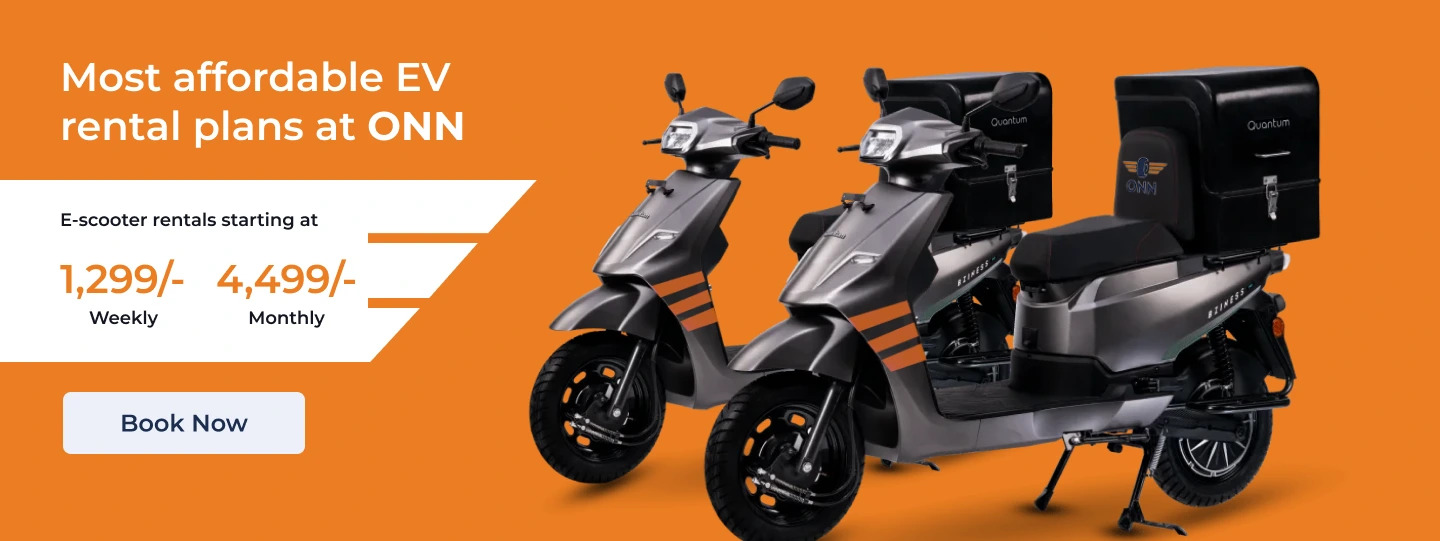
It takes about ten minutes to really notice you are on an electric scooter, and after that is just...normal. What does actually change when you switch out your petrol bike for an e bike for rent?
It's also a good time to try one. The central government's PM E-DRIVE demand subsidy for electric two-wheelers (worth a full Rs.5,000 a bike) expired July 31, 2026, so that specific purchase benefit is gone now. But it drove a wave of new electric scooters into showrooms and rental fleets over the past year, so today's rental models are newer and generally better performing than even 12 months ago.
No clutch, no gears and all the power, right now
Most rental e-scooters are twist-and-go, like petrol ones, but the power delivery is instant rather than building through a rev range. Go easy on the throttle for your first few minutes to ease into it. That initial surge feels sharper on most e-bikes than on a comparable petrol model.
What makes an optimal daily commute electric scooter?
- A range of 60-100km in real-world use to cover your commute; the Ola S1 Pro Gen 2 claims around 195km, while the Ather 450X claims 161km in its newer versions.
- A charging routine that suits your schedule, usually an overnight plug-in of 4-6 hours.
- Enough under-seat storage for your bag or a change of clothes; family models like the TVS iQube and Ather Rizta prioritize deeper storage for this.
- A weight and seat height that feel manageable in stop-start city traffic.
Charging basics for the new rider
Most e-bikes charge fully from a standard 13A home socket in 4-6 hours; some higher-capacity ones take closer to 8. Keep it plugged in overnight and wake up to a full charge. No special socket is required, and no separate billing either, on a standard connection.
What to look for over your first few rides
Range drops faster at higher speed and with aggressive throttle input, the same way fuel economy takes a hit on petrol bikes. Watch the range in real time during your first week, as you learn what your riding style costs you in charge. Most rental-tier electric scooters also cap top speed between 65-85 kmph specifically to preserve range, so don't expect petrol-bike top speeds even on the higher-performance models.
What does apply legally in terms of licenses?
This trips up a lot of new e-bike riders. Only electric scooters under 25 km/h and below 250W are exempt from needing a license, registration, and road tax in India. Any electric scooter you rent with ONNBikes, or elsewhere, exceeds that threshold by a wide margin. Legally, it's treated exactly like its petrol equivalent: you'll need a valid two-wheeler license and to be over 18.
How it feels compared to your petrol bike experience
The difference isn't in riding skill, it's in your driving habits. A petrol rider learns to judge distance by what's left in the tank. Give yourself a similar 1-2 weeks to trust the range display on an electric bike instead. The stated percentage and expected mileage aren't always perfectly linear, especially at higher speeds or with a heavier rider-and-pillion combination.
Basic upkeep even on a rental
You're not responsible for maintaining or servicing the vehicle on a rental. But it's worth checking a few things yourself: tire pressure on any long trip, that the charging port cover is closed and intact to keep moisture out, and that the display shows a realistic charge level rather than just last night's reading.
Common myths worth dispelling
- Electric scooters are too slow": Modern ones typically top out around 60-85 kmph, fast enough for city usage and even riding along major roads.
- "Batteries don't last": Since they're on rental bikes, this isn't your problem. Fleet turnover is much faster than on a petrol vehicle, so batteries rarely get pushed until seriously degraded.
- "You can't ride in the rain": Most electric scooters handle normal monsoon conditions fine. Just avoid deep waterlogging, same as you would on a petrol bike.
- "They're hard to charge": They plug into the same socket as any home appliance, no special setup needed.
Your first week checklist
Spend your first couple of rides getting comfortable with throttle response in a quieter area, before heading into real traffic. Learn your actual range for your riding style, since official figures run about 15-20% higher than real-world use. And get into the habit of plugging in your e-bike every night; it's not just convenience, it keeps you from being caught short on a day you unexpectedly need a long ride.
Try electric yourself with ONNBikes! Get e bike for rent from Rs.400/day, with weekly and monthly plans available - no deposit.
Frequently Asked Questions
Q1: Do I need a license to ride a rental electric scooter?
A: Generally, models with power higher than 25km/h and above 250W must have a valid two-wheeler license, just like their petrol counterparts. Models with extremely low specs (under 25kmph and under 250W) don't require a license but rental electric scooters typically don't fall under that category. Check the specific bike you are reserving.
Q2: How long does an electric bike take to charge?
A: The most common models typically take anywhere between four to six hours on a standard 13A home socket; more powerful, bigger battery units can take closer to eight. It means overnight charging should be standard practice for daily commuters.
Q3: What happens if I run out of battery while riding?
A: ONNBikes offers roadside assistance in this unlikely event. However, keeping it plugged in each night and tracking your daily distance makes it quite rare.