CT Scan Centre in Mumbai | Expert Radiologists & Advanced Care
-

- Published Updated
- 1,646 views
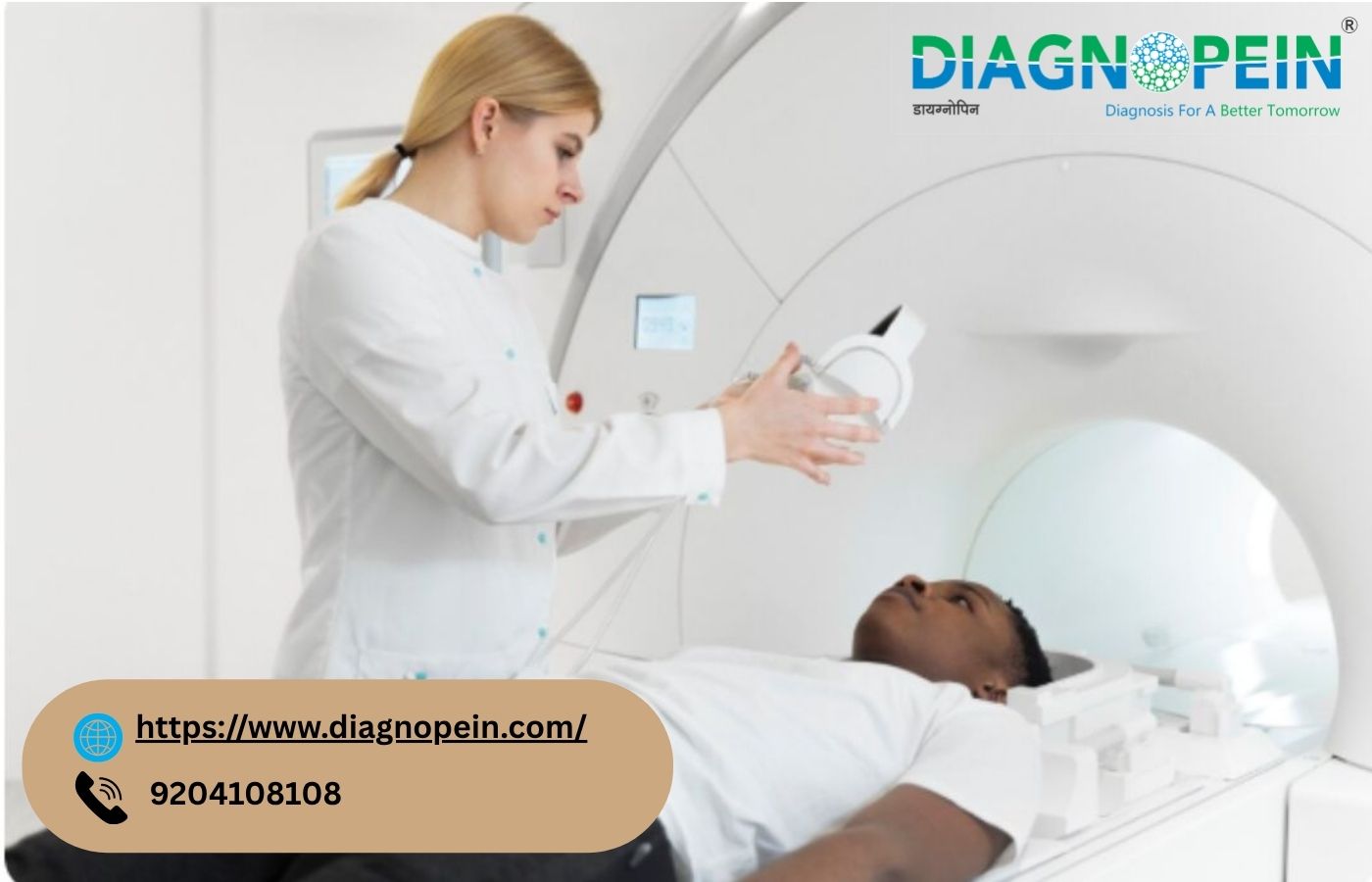
When your doctor recommends a CT scan, you may have questions about where to get it done, how the procedure works, how long it takes, and what you should expect. Choosing a reliable CT Scan Centre in Mumbai can make the diagnostic process more comfortable and convenient while helping ensure that the scan is performed according to your doctor's prescription.
A CT scan, or Computed Tomography scan, is an imaging test that uses X-rays and computer processing to create detailed cross-sectional images of the inside of the body. It can provide information about bones, organs, blood vessels, and other tissues that may not be visible clearly with a standard X-ray.
https://www.diagnopein.com/ct-scan/Mumbai
What Is a CT Scan?
A CT scan combines X-ray images taken from different angles to create detailed images of specific areas of the body. These images can be viewed as individual sections or combined to provide a more complete picture of the area being examined.
Depending on the reason for the scan, a doctor may recommend CT imaging of areas such as:
- Head and brain
- Chest and lungs
- Abdomen and pelvis
- Bones and joints
- Spine
- Sinuses
- Blood vessels, when a specialised CT examination is prescribed
The type of CT scan you need depends on your symptoms, medical history, and your doctor's recommendation.
Why Is a CT Scan Performed?
Doctors may recommend a CT scan when they need more detailed information about a particular part of the body. It can help doctors evaluate injuries, investigate certain symptoms, or monitor known medical conditions.
Common reasons for a CT scan may include:
- Evaluating injuries after an accident
- Examining persistent or unexplained symptoms
- Assessing bones and internal organs
- Investigating certain chest or abdominal problems
- Supporting treatment planning
- Monitoring certain conditions when follow-up imaging is required
A CT scan should be performed based on appropriate medical advice rather than simply because it is available.
How Does a CT Scan Work?
A CT scan is generally a straightforward imaging procedure.
Step-by-Step Process
- Registration and instructions: The diagnostic centre confirms your examination and provides any necessary preparation instructions.
- Preparation: You may need to remove metal objects such as jewellery depending on the area being scanned.
- Positioning: You will lie on a movable examination table.
- Scanning: The table moves through the CT scanner while X-ray images are captured.
- Image processing: A computer processes the images to create detailed cross-sectional views.
- Radiologist review: The images are interpreted by a qualified radiologist, with findings provided in the scan report.
It is important to remain still during the scan because movement can affect image quality.
What Can Patients Expect During a CT Scan?
For many examinations, the actual scanning process is relatively quick. However, the total time at the centre can vary depending on the type of scan, preparation requirements, and whether contrast material is required.
Some CT examinations may be performed without contrast, while others may require a contrast agent to help certain tissues or blood vessels appear more clearly.
If contrast is planned, the healthcare team may ask about relevant medical history, allergies, medications, or other factors before the examination.
Your diagnostic centre will explain any specific instructions that apply to your scan.
How Should You Prepare for a CT Scan?
Preparation depends on the type of CT examination.
You may be asked to:
- Follow fasting instructions if required
- Drink water according to the centre's instructions
- Avoid certain food or drinks before particular examinations
- Inform the medical team about medicines you take
- Tell the healthcare team if you are pregnant or may be pregnant
- Inform them about previous reactions to contrast material
- Follow any additional instructions provided for your specific scan
Always follow the preparation instructions given by your doctor or diagnostic centre.
CT Scan with Contrast: What Does It Mean?
In some examinations, a contrast agent may be used to make certain structures easier to see on the images. Contrast can be given in different ways depending on the examination.
If contrast is recommended, the healthcare team will assess whether it is appropriate for you and provide relevant instructions.
If you have concerns about contrast, allergies, kidney-related issues, pregnancy, or any previous reaction, discuss them with your doctor or the radiology team before the scan.
Factors That Affect CT Scan Cost in Mumbai
The cost of a CT scan can vary between centres and examinations. There is no single price applicable to every CT scan.
Factors that may affect the cost include:
- The body part being examined
- Type of CT examination
- Whether contrast is required
- Number of areas being scanned
- Reporting requirements
- Additional services or facilities provided by the centre
Before booking a CT Scan Centre in Mumbai, patients can ask the centre for the examination-specific cost and confirm whether any preparation or additional charges apply.
Why Choose Diagnopein?
Choosing a diagnostic centre involves more than location. Patients may also consider the quality of imaging services, reporting expertise, convenience, and patient support.
At Diagnopein, diagnostic services are provided with a focus on patient-centric care, modern diagnostic technology, and reliable reporting. The centre's diagnostic approach brings together imaging services and experienced healthcare professionals to support doctors and patients during the diagnostic process.
Before your appointment, confirm the availability of the specific CT scan you have been prescribed and ask about preparation requirements.
When Should You Consult a Doctor?
A CT scan is an important diagnostic tool, but it is not appropriate for every symptom. Your doctor can determine whether CT imaging is suitable and whether another investigation may be more appropriate.
You should discuss your symptoms with a qualified healthcare professional if they are persistent, worsening, unusual, or causing significant concern. Seek urgent medical attention for serious or sudden symptoms rather than waiting to arrange a routine diagnostic scan.