Rhinoplasty in Dubai: Cultural Considerations, Patient Expectations, and Practical Checklist
-

- Published Updated
- 348 views
Rhinoplasty Dubai cultural considerations affect surgical planning, patient communication, and outcome expectations for both local Emirati patients and the city's large expatriate population. This guide explains how cultural norms, aesthetic ideals, and regulatory frameworks in Dubai change the practical approach to nasal reshaping while maintaining safety and ethical care.
Detected intent: Informational
This article outlines cultural factors that influence rhinoplasty in Dubai, a named framework (DUBAI-CHECK), a practical checklist, a real-world scenario, 3–5 actionable tips, trade-offs/common mistakes, and five core cluster questions for further reading.
Core cluster questions (for internal linking or topic hubs):
- How do ethnic differences affect rhinoplasty technique?
- What are patient expectation management strategies in multicultural clinics?
- How does Dubai Health Authority regulation influence cosmetic surgery safety?
- What are common surgical modifications for Middle Eastern nasal anatomy?
- How should surgeons assess cultural identity and religious considerations before rhinoplasty?
rhinoplasty Dubai cultural considerations
Local aesthetic ideals, religious and social norms, and the mix of Emirati and multinational patients make rhinoplasty in Dubai culturally distinct from other markets. Understanding these dynamics reduces misunderstandings, helps set realistic expectations, and supports outcomes that respect a patient's identity and social context.
Why culture matters: anatomy, aesthetics, and social context
Ethnic rhinoplasty Dubai practices often must reconcile anatomical features common to Middle Eastern patients—such as thicker skin, low radix, and stronger dorsal humps—with cultural aesthetic preferences like maintaining ethnic identity rather than creating a fully Westernized appearance. Terms and concepts relevant to this topic include nasal dorsum, tip projection, radix height, cartilage grafting, and ethnic rhinoplasty.
Practical framework: the DUBAI-CHECK model
Use the DUBAI-CHECK model as a practical preoperative framework. This named checklist helps multidisciplinary teams capture cultural and clinical variables before surgery.
- Demographics & background: nationality, family expectations, language needs.
- Understanding patient goals: photos, descriptive language (avoid ambiguous terms), and visual examples showing subtle versus dramatic changes.
- Balance form and function: prioritize breathing and structural support, especially in revision cases.
- Accreditation & regulations: verify surgeon credentials and clinic licensing under Dubai Health Authority (DHA).
- Identity & ethnicity: plan for preservation of ethnic markers to avoid unwanted homogenization.
- Communication: use interpreters if needed and document consent clearly.
- History & comorbidities: prior trauma, septal deviation, skin thickness.
- Expectations management: use objective measurements and recovery timelines.
- Costs & timing: discuss medical tourism logistics and follow-up plans.
- Know-how & contingency planning: revision approach and emergency pathways.
Patient assessment and shared decision-making
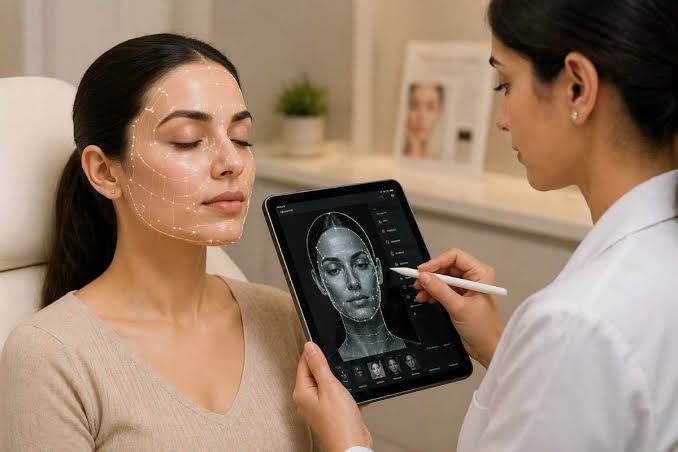
Effective assessment combines clinical examination with culturally sensitive interviewing. Use visual tools (standardized photos, morphing software) sparingly and always contextualize changes relative to the patient's cultural identity. Address religious considerations (modesty, family involvement) and legal issues such as consent age and medical tourism follow-up requirements in the UAE.
Checklist: preoperative items for clinics in Dubai
- Confirm DHA licensing and surgeon board credentials in the patient's file.
- Complete functional nasal assessment (rhinomanometry, septal exam if indicated).
- Document clear photographic goals with annotated reference images.
- Record language preferences and interpreter arrangements.
- Set realistic timelines for swelling resolution in thick-skinned noses.
Real-world scenario
A 32-year-old Emirati woman seeks nasal reshaping to soften a dorsal hump while preserving her cultural facial identity. A surgeon following DUBAI-CHECK documents nasal function, uses intraoperative conservative dorsal lowering with cartilage reshaping, and plans spreader grafts to preserve airflow. Preoperative counseling included family presence by request and visual examples emphasizing subtle refinement. The result met the patient's aesthetic goal without erasing ethnic features.
Safety, standards, and the regulatory environment
Dubai's regulatory framework prioritizes accredited facilities and qualified clinicians; confirming credentials and facility accreditation is essential for patient safety. For general best-practice surgical safety guidance, professional societies publish standards on patient selection and perioperative care. See the American Society of Plastic Surgeons for procedural safety recommendations: plasticsurgery.org/rhinoplasty.
Practical tips for clinicians and patients
- Use culturally appropriate visual references—match examples by ethnicity when possible to avoid unrealistic expectations.
- Document an explicit plan for tip definition and radix changes; swelling behaves differently in thicker skin types.
- Address family involvement early—family approval can be a significant factor in decision-making in Dubai.
- Plan follow-up in writing for medical tourists: schedule virtual postoperative visits and specify who will manage complications locally.
Common mistakes and trade-offs
Common errors include over-correcting to a Western ideal, underestimating postoperative swelling in thick-skinned noses, and poor communication about realistic outcomes. Trade-offs often involve balancing aesthetic refinement against functional preservation—the more anatomic alteration, the higher the risk to nasal support and breathing. Overemphasis on symmetry can also produce an unnatural look that conflicts with cultural preferences for softer modification.
Communication strategies and consent
Consent should explicitly cover cultural preferences, photographic use, family involvement, and expectations for downtime. Use clear, translated consent forms when necessary and document interpreter presence. Shared decision-making is particularly important when patients request changes that could alter cultural identity.
When to refer or defer
Refer to a multidisciplinary team (ENT, psychology) if there is significant functional obstruction, body dysmorphic disorder suspicion, or if the requested change conflicts with established medical safety. Defer elective cosmetic procedures in uncontrolled comorbid conditions or when informed consent is incomplete.
FAQs
How do rhinoplasty Dubai cultural considerations change surgical planning?
They change planning by prioritizing preservation of ethnic features, involving family when appropriate, using ethnicity-matched visual references, and anticipating anatomical differences (skin thickness, cartilage strength) that alter technique selection and postoperative expectations.
What is ethnic rhinoplasty and how does it apply in Dubai?
Ethnic rhinoplasty adapts techniques to preserve or enhance characteristic nasal features while addressing patient goals. In Dubai, clinics commonly encounter Middle Eastern, South Asian, and African nasal types, each requiring tailored approaches such as conservative dorsal modification, tip support grafting, and careful soft-tissue handling.
How should patient expectations rhinoplasty UAE be managed?
Manage expectations with clear visual examples, documented timelines for swelling resolution, and explicit discussion about what features will be changed vs preserved. Consider cultural and family dynamics in consent and decision pathways.
How does Dubai regulation affect safety for rhinoplasty patients?
Dubai's emphasis on accredited clinics and licensed surgeons improves procedural safety by enforcing facility standards, credential checks, and postoperative care requirements. Patients should verify DHA registration and surgeon qualifications before consent.
What should a patient bring to the consultation to ensure cultural needs are respected?
Bring clear examples of desired outcomes (photographs), information about family wishes if relevant, a list of medical history and prior nasal injuries, and an interpreter if language barriers exist. Request documentation of the surgeon's credentials and facility licensing upfront.