Creative Custom Cone Sleeves: Transform Plain Cones into Branded, Sustainable Wraps
-

- Published Updated
- 1,755 views
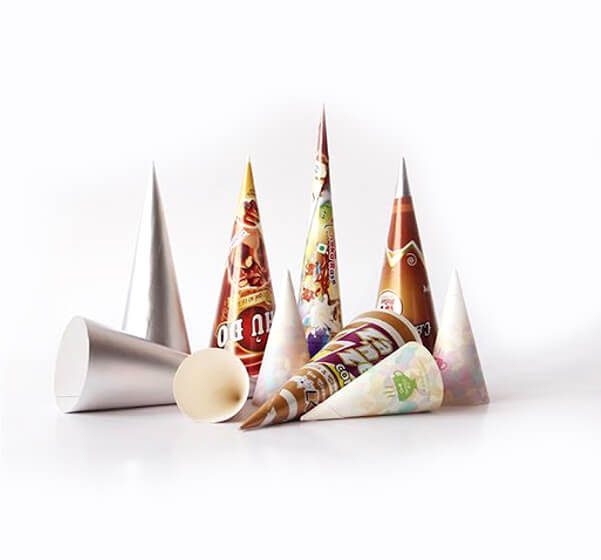
Custom Cone Sleeves are a practical, low-cost way to turn plain cones into branded, protective, or eco-friendly wrappers for ice cream, baked goods, and other handheld food items. They combine visual appeal with functional benefits such as grease resistance, insulation, and improved hygiene while supporting small-batch and large-scale production needs.
- Custom cone sleeves add branding, insulation, and a sanitary barrier to disposable cones.
- Common materials include grease-resistant paper, recycled board, compostable fibers, and thin corrugated wraps.
- Consider print method, turnaround time, minimum order quantity, and food-contact safety when choosing a supplier.
Custom Cone Sleeves: Benefits and common uses
Custom cone sleeves offer multiple advantages for ice cream shops, catering services, event planners, and packaged-food producers. Beyond visual branding and seasonal or promotional messaging, sleeves can improve user comfort by reducing direct heat transfer from hands to cold cones and by providing a hygienic layer between the consumer and the food container. For businesses, sleeves serve as low-cost marketing collateral and can reinforce product positioning—premium, artisanal, family-friendly, or ecological—through material and graphic choices.
Functional benefits
Sleeves can be manufactured with grease-resistant coatings or barrier papers to prevent sogginess. Insulating or double-layered sleeves reduce hand chill and slow melting at the rim. Printed nutritional messaging, allergens, or recyclable icons add consumer information without changing the primary cone wrapper.
Branding and promotions
Sleeves create a visible, portable advertising surface for logos, flavors, limited-time offers, and social handles. They work well for seasonal runs, collaborations, and event-specific designs because the sleeve is often easier and cheaper to change than the cone itself.
Materials, printing methods, and sustainability options
Materials
Typical materials include single- or multi-ply kraft paper, grease-resistant SBS or coated board, uncoated recycled paper, paperboard with thin corrugation for insulation, and compostable fiber blends. Food-contact safety and local waste-stream compatibility (recycling or composting) are important when choosing a substrate.
Printing and finishing
Digital printing is cost-effective for short runs and variable data (dates, batch numbers, or personalized messages). Offset printing provides high color fidelity and lower unit cost for larger volumes. Finishes such as matte or gloss aqueous coatings, UV varnish, and spot lamination influence durability and perceived quality. Embossing, foil stamping, or die-cut edges can add tactile distinction for premium products.
Sustainability considerations
Sourcing recycled fiber and using water-based inks reduces environmental impact. Compostable sleeves should be certified to recognized standards and compatible with local industrial or municipal composting systems. Food-packaging guidance from health regulators can inform material selection—see the U.S. Food and Drug Administration's food-contact packaging resources for relevant criteria and guidance: FDA guidance on food contact substances.
Design and production logistics
Artwork and dielines
Design files should be prepared to supplier dielines with bleed and safe-area margins. Consider how the sleeve wraps and where seams fall so that logos and copy are visible when the sleeve is fitted to a cone. High-contrast text and legible fonts are especially important on small surfaces.
Minimum order quantities and lead times
Small-batch digital runs are available with low minimums but higher per-unit costs. Offset and flexographic production require larger minimums but reduce unit cost for recurring orders. Plan lead times for seasonal promotions, and confirm proofs and material samples before committing to large runs.
Practical sizing tips
Measure cone circumference at the top rim and the height where the sleeve will sit. Offer a slightly tapered dieline to account for cone shape and fit. Suppliers often provide templates for standard cone sizes; custom molds are possible for specialty cone shapes.
Food safety, labeling, and regulatory notes
Food-contact safety
Sleeves that touch edible surfaces should meet local food-safety requirements. This includes using materials and inks approved for incidental food contact where applicable. Consult local food safety authorities, industry standards, or an accredited lab for migration testing if needed. Regulatory agencies such as local health departments and national food safety authorities provide specific requirements for food service packaging.
Allergens and labeling
If sleeves include printed product descriptions or ingredient callouts, ensure accuracy and compliance with local labeling rules. Avoid claiming allergen-free status on sleeves unless validated by production controls and testing.
Choosing a supplier and cost factors
Supplier evaluation
Compare suppliers on their ability to provide material certifications, print proofs, sample turnaround, and flexibility for short runs or seasonal spikes. Ask for references from food-service clients and confirm whether the supplier performs post-print finishing in-house or through partners.
Cost drivers
Costs vary with material choice, print complexity, quantity, and finishing. Recycling content, compostability certifications, and specialty embellishments (foil, embossing) increase unit price but can enhance branding and perceived value.
Storage and inventory
Keep sleeves dry and away from strong odors. Stock levels should balance promotional cadence with shelf life—paper-based sleeves are stable but can absorb moisture in humid environments.
FAQs
What are Custom Cone Sleeves and why use them?
Custom Cone Sleeves are removable wraps made from paper or board that fit over disposable cones. They add branding, insulation, and a hygienic barrier while enabling short-run promotions and material choices like recycled or compostable fibers.
Can cone sleeves be compostable or recyclable?
Yes. Compostable sleeves made from certified compostable fiber blends are available, and recycled-content paper can be recyclable depending on coatings and local recycling rules. Verify certifications and confirm acceptance with local waste management programs.
How should artwork be prepared for a cone sleeve order?
Provide print-ready files following the supplier's dieline, with correct bleed and safe-area margins. Use CMYK color profiles for print, embed fonts or convert text to outlines, and supply a high-resolution PDF proof. Request a physical sample or proof before full production.
Are there food-safety standards for sleeve materials?
Materials intended for food contact should comply with applicable food-safety regulations and guidance from national authorities. For specific criteria and testing guidance, consult recognized food-safety regulators and standards organizations.