Dating Ad Platform Strategies for Successful Dating Ad Campaigns
-

- February 23rd, 2026
- 1,151 views
Dating marketing covers the planning and execution of ads to promote dating apps and services. A reliable Dating Ad Platform helps advertisers manage targeting, creative delivery, bidding, and measurement across channels. This article outlines how to choose a platform, build an effective dating ad campaign, and keep campaigns compliant with privacy rules.
- Identify campaign goals (acquisition, retention, brand awareness).
- Choose a platform that supports the required targeting, creative formats, and attribution.
- Design creatives and tests for dating audiences while respecting privacy laws (GDPR, CCPA).
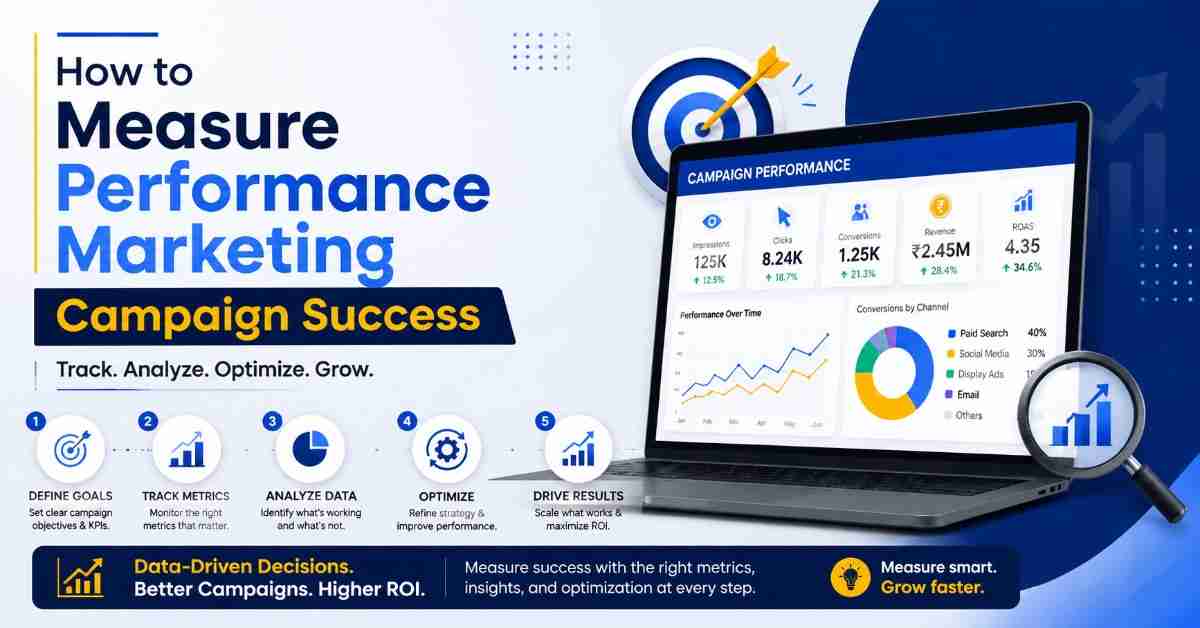
- Measure using clear KPIs (CPI, CPA, CTR) and use A/B testing and conversion tracking.
What is dating marketing and why it matters
Dating marketing refers to advertising and promotion specifically aimed at people seeking romantic or social connections. Success metrics often include installs, registrations, subscription conversions, and user engagement. Understanding audience segments, lifecycle value, and creative messaging is essential because dating products depend on both network effects and user trust.
Choosing a Dating Ad Platform
Selecting a Dating Ad Platform involves evaluating technical capabilities, inventory access, targeting, creative support, and measurement. Platforms vary: some are demand-side platforms (DSPs) or ad networks optimized for performance, while others provide specialized audiences and placements for dating services.
Key platform capabilities to assess
- Audience targeting: demographic, interest, behavioral, lookalike modeling, and device targeting.
- Inventory and placements: in-app, mobile web, native, video, and social integrations.
- Bidding and pricing models: CPI (cost per install), CPA (cost per acquisition), CPM (cost per mille), or hybrid approaches.
- Attribution and analytics: support for MMPs (mobile measurement partners), server-to-server postbacks, and unique IDs for reliable conversion tracking.
- Creative formats and testing: dynamic ads, A/B testing, rich media, and localization features.
- Fraud protection and verification: viewability checks, click-fraud detection, and brand safety controls.
Setting up a dating ad campaign
Define goals and KPIs
Start with clear objectives: installs, registration rate, paid subscriptions, or engagement. Assign KPIs such as CPI, CPA, LTV (lifetime value) ratio, retention at day 7 or 30, and CTR. These metrics guide bidding and creative optimization.
Audience segmentation and targeting
Segment audiences by age, location, interests, device, and behavioral signals. Consider lookalike audiences based on high-value users. Use exclusion lists to avoid overlapping campaigns and reduce wasted spend.
Creative strategy and messaging
Testing multiple creatives improves performance: headlines, images, short videos, and calls to action should be adapted to platform norms and local cultural expectations. Emphasize trust and safety features and ensure visuals are respectful and representative of the target audience.
Privacy, compliance, and measurement
Privacy frameworks and legal considerations
Dating advertisers must comply with data protection and consumer privacy laws like GDPR in the EU and CCPA in California. Platforms and campaigns should implement consent management, minimize personally identifiable information, and follow advertiser disclosure rules. Regulatory guidance from national authorities and industry groups such as the Interactive Advertising Bureau (IAB) is relevant when setting up tracking and consent flows. For general advertising and consumer protection guidance, consult the FTC's resources on advertising and marketing practices: FTC.
Measurement and attribution
Adopt reliable attribution methods and use an MMP or server-side measurement to reconcile installs and in-app events. Determine how to handle view-through conversions, cross-device attribution, and the implications of identifier changes (IDFA, GAID) or privacy-driven restrictions. Establish a reporting cadence to analyze CPI, retention, and ROI against campaign spend.
Optimization and ongoing management
Testing and scaling
Iterate with A/B tests on creative, audience, and bid strategies. Start with small tests to identify high-performing segments, then scale budgets where KPIs meet targets. Monitor frequency and creative fatigue to maintain engagement and control cost per action.
Fraud prevention and quality control
Include fraud detection and manual reviews where possible. Use viewability metrics, install-to-signup ratios, and anomaly detection to spot bot activity. Coordinate with platform support and measurement partners to address suspicious traffic quickly.
Reporting and lifecycle economics
Track both short-term acquisition metrics and longer-term value measures like subscription conversion and churn. Cohort analysis helps understand how different acquisition channels and creatives influence retention and monetization over time.
Frequently asked questions
What is a Dating Ad Platform and how does it work?
A Dating Ad Platform is a system that enables advertisers to buy, target, deliver, and measure ads specifically for dating products or audiences. It connects to inventory, manages bidding, supports creative formats, and reports on installs, registrations, and other conversions.
Which KPIs matter most for dating ad campaigns?
Common KPIs include CPI (cost per install), CPA (cost per acquisition), registration rate, retention (day 7/30), LTV, and CTR. The priority depends on whether the focus is growth, monetization, or engagement.
How should privacy rules affect campaign setup?
Privacy laws require explicit consent for personal data processing in many regions and may restrict certain targeting and tracking methods. Implement consent management and favor aggregated, privacy-safe signals over persistent identifiers when possible.
How can ad fraud be minimized?
Use verified partners, fraud detection tools, MMPs, and manual audits. Monitor unusual spikes in installs, low registration rates, and inconsistent user behavior to detect fraud quickly.
How often should campaigns be reviewed and optimized?
Review performance daily during initial learning phases and at least weekly once campaigns scale. Use data-driven rules and automated bidding where available to react to changes in performance.