Technical Overview of GE’s DC Bus Regenerative Technology
-
- Published Updated
- 9,114 views
Introduction
In modern turbine control systems, efficiency, reliability, and energy optimization are critical performance factors. Industrial gas and steam turbines rely heavily on advanced electrical drive systems to operate auxiliary equipment such as pumps, fans, and compressors. One of the key technologies enabling improved energy utilization in these systems is DC bus regenerative technology. General Electric (GE) has incorporated this approach into its turbine control platforms to enhance performance and reduce energy waste.
What Is DC Bus Regenerative Technology?
DC bus regenerative technology is a method of recovering excess electrical energy generated during deceleration or load reduction in motor-driven systems. Instead of dissipating this energy as heat through braking resistors, the system captures it and feeds it back into the DC bus.
This recovered energy can then be reused by other connected drives or redistributed within the system. In turbine environments, where large motors frequently speed up and slow down, this capability significantly improves overall energy efficiency.
How It Works in Turbine Systems
In a typical turbine setup, multiple variable frequency drives (VFDs) are connected to a shared DC bus. During normal operation, these drives draw power from the bus to run motors. However, when a motor slows down or operates under reduced load, it acts as a generator and produces excess energy.
Regenerative technology enables this energy to flow back into the DC bus instead of being wasted. Dedicated control hardware within the system manages this process by monitoring voltage levels, regulating current, and ensuring safe energy redistribution.
Role of Regenerative Boards
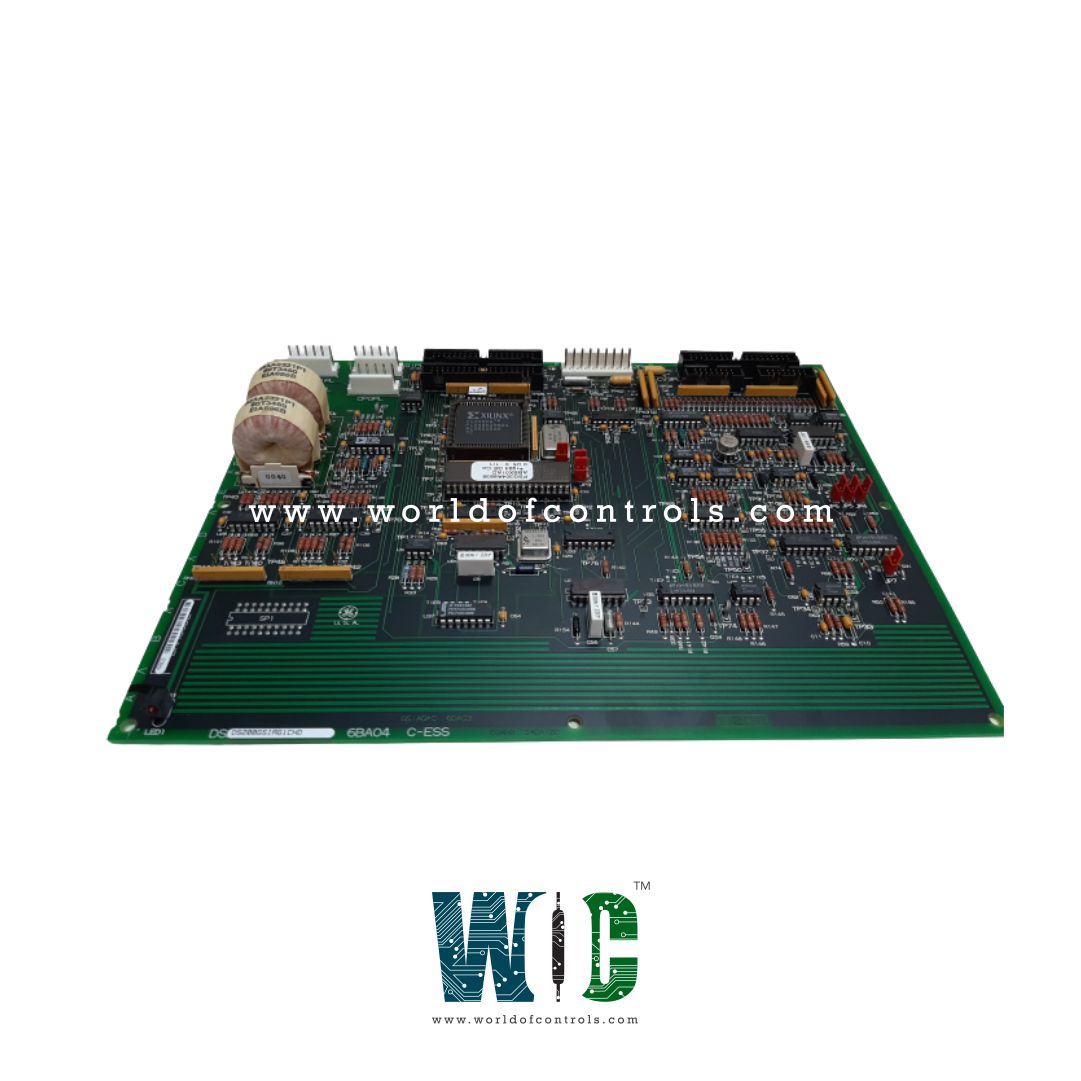
At the core of this technology are regenerative boards, which serve as control interfaces within the turbine’s drive system. These boards are responsible for:
Monitoring DC bus voltage levels
Controlling the flow of regenerated energy
Preventing overvoltage conditions
Coordinating energy sharing between multiple drives
In GE turbine control systems, particularly those based on the Mark V platform, these boards are essential for maintaining stable and efficient operation. They enable a common DC bus architecture, allowing multiple drives to interact dynamically and share energy resources.
Key Benefits in the Turbine Industry
Improved Energy Efficiency
By capturing and reusing energy that would otherwise be lost, regenerative systems significantly reduce overall power consumption.
Reduced Thermal Stress
Traditional braking methods convert excess energy into heat, which can damage components over time. Regenerative technology minimizes heat generation, extending equipment lifespan.
Lower Operating Costs
Energy savings, combined with reduced cooling and maintenance requirements, contribute to lower operational expenses for turbine operators.
Enhanced System Stability
Regenerative boards help maintain consistent voltage across the DC bus, ensuring smooth and reliable performance of connected drives.
Applications in GE Turbine Systems
DC bus regenerative technology is widely used in turbine auxiliary systems, including lubrication pumps, cooling fans, and air compressors. These components often operate under variable load conditions, making them ideal for energy recovery.
By implementing a common DC bus system, GE enables efficient energy sharing between these subsystems. For example, energy generated during the deceleration of one motor can be immediately used by another motor that requires additional power. This dynamic energy exchange improves system responsiveness and efficiency.
World of Controls specializes in GE Speedtronic turbine control systems, offering comprehensive solutions for gas turbines, steam turbines, and drive controls. Our services include providing new and remanufactured parts, as well as testing, repair, and certification. We maintain a vast inventory of unused and rebuilt components to meet a wide range of operational needs.
World Of Controls provides both rebuilt and unused parts, ensuring genuine OEM products for all customers. A key strength of WOC is its advanced test and repair facility, operated by highly experienced engineers. Beyond supplying turbine control system parts, WOC also offers a range of services, including part testing and repair, control system/DCS troubleshooting, and specialized training.
World of Controls is dedicated to supporting your organization with all power plant-related needs. We offer reliable supply from our extensive inventory at competitive prices, backed by a warranty and a commitment to uncompromised quality.
Request a quote or contact our team for more details today.
Conclusion
DC bus regenerative technology is a vital innovation in modern turbine control systems. By enabling energy recovery and reducing waste, it enhances both operational efficiency and system reliability. GE’s implementation of this technology within its turbine platforms demonstrates a commitment to sustainable and cost-effective industrial solutions. As energy demands continue to grow, regenerative systems will play an increasingly important role in optimizing turbine performance and reducing environmental impact.