How Decentralized Finance (DeFi) Is Reshaping Global Finance: Trends, Mechanisms, and Risks
-

- February 23rd, 2026
- 3,509 views
Decentralized Finance (DeFi) refers to an emerging set of financial applications built on distributed ledger technology that aim to recreate and improve traditional financial services such as lending, trading, payments, and insurance. The term appears here to frame the history, core mechanisms, economic effects, and regulatory responses that define DeFi's evolving role in the global financial landscape.
- DeFi uses blockchain-based protocols, smart contracts, and tokenization to deliver financial services without centralized intermediaries.
- Key primitives include decentralized exchanges, automated market makers, lending protocols, stablecoins, oracles, and governance tokens.
- Potential benefits include greater access, composability, transparency, and programmability; risks include smart contract bugs, liquidity fragility, and regulatory uncertainty.
- Policymakers and international organizations are studying DeFi's systemic implications while exploring proportionate regulation and oversight.
Decentralized Finance (DeFi): evolution and core mechanisms
Origins and development
DeFi traces its roots to public blockchains and the introduction of programmable smart contracts that enable conditional execution of code on a distributed ledger. Over time, developers combined primitives such as token standards, multisignature wallets, and decentralized oracles to build composable financial applications. Activity grew from basic token transfers to more sophisticated instruments: automated market makers (AMMs) for on-chain trading, lending pools that use algorithmic collateralization, and tokenized derivatives.
Core building blocks
- Smart contracts: Self-executing code that automates financial rules and settlement.
- Automated market makers (AMMs): Liquidity pools that facilitate trading without traditional order books.
- Lending and borrowing protocols: Systems that allow overcollateralized loans and interest rate mechanics.
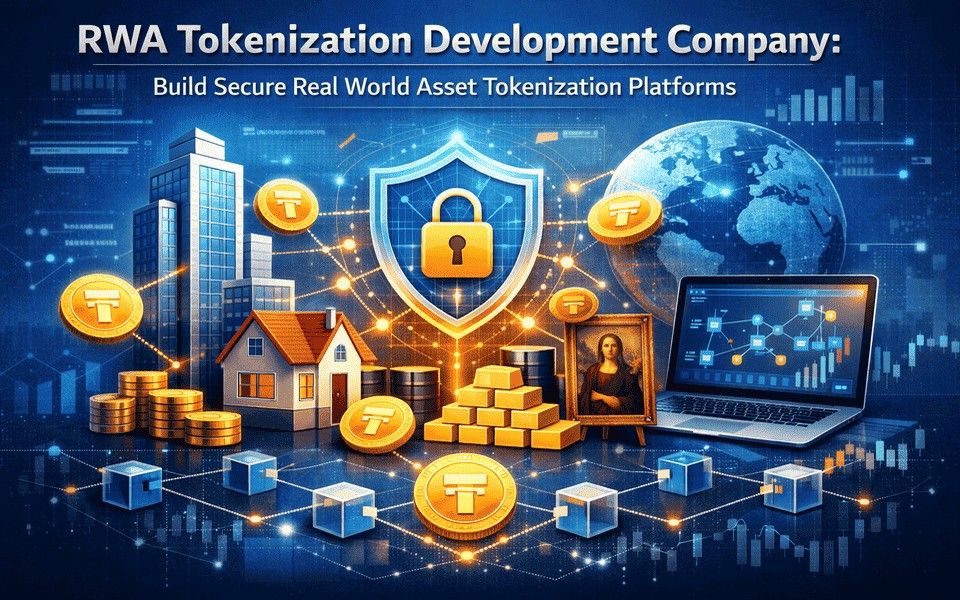
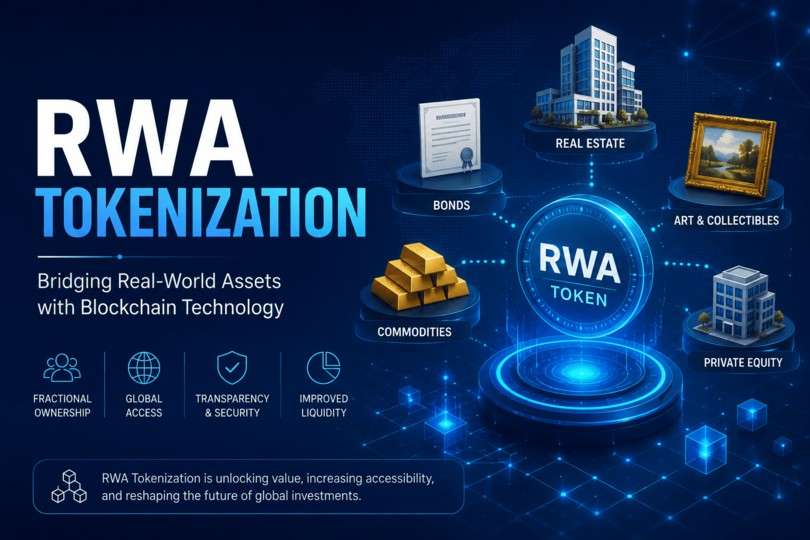
- Stablecoins and tokenization: On-chain assets pegged to fiat value and tokenized representations of real-world assets.
- Oracles: Data feeds that bridge off-chain information (price feeds, interest rates) to on-chain contracts.
- Governance tokens: Mechanisms for protocol stakeholders to vote on upgrades and parameter changes.
How DeFi changes financial intermediation and markets
Access and composability
DeFi can lower entry barriers by allowing anyone with an internet connection and a digital wallet to access financial services. Composability — the ability to combine protocols like building blocks — enables rapid innovation and new financial primitives that can interact without centralized permission.
Transparency and settlement
On-chain execution increases transaction transparency, enabling public auditability of flows and reserves. Settlement can be near-instant and atomic across protocols, reducing counterparty and settlement risk for certain transactions, though this depends on the security and finality properties of the underlying blockchain.
Market structure effects
DeFi introduces alternative liquidity provision models, such as pooled liquidity with algorithmic pricing, which can change fee structures and market depth. Tokenized positions and yield-bearing instruments create new channels for capital allocation and short-term yield strategies like liquidity mining and yield farming.
Economic and systemic risks
Technical vulnerabilities
Smart contract bugs, flawed protocol design, and insecure oracles have been sources of loss in DeFi. Code vulnerabilities can lead to exploits that drain liquidity pools or disrupt protocol governance.
Financial risks
High leverage, collateral value volatility, and concentrated liquidity can cause cascading liquidations and rapid loss of value. Many DeFi lending protocols rely on overcollateralization, which can amplify market stress in periods of rapid price movement.
Operational and legal challenges
Governance ambiguity, cross-jurisdictional enforcement issues, and dependency on centralized infrastructure components (such as off-chain oracles or developer teams) create supervisory and compliance challenges for regulators and market participants.
Policy responses and regulatory considerations
International monitoring and standards
International organizations and financial regulators monitor DeFi's systemic implications, seeking to balance innovation, consumer protection, and financial stability. Bodies such as the Financial Stability Board (FSB), the International Monetary Fund (IMF), and national regulators examine whether existing frameworks are adequate or require updates to address decentralized protocols.
Toward proportionate oversight
Regulatory approaches under consideration include clarifying the legal status of digital assets, applying anti-money-laundering (AML) and know-your-customer (KYC) requirements where appropriate, and establishing operational resilience expectations. Policymakers also study the role of central bank digital currencies (CBDCs) and how they might interact with DeFi ecosystems.
For in-depth technical and policy analysis, consult research published by established financial authorities such as the Bank for International Settlements (BIS): Bank for International Settlements.
Future trajectories and interoperability
Scaling and user experience
Improvements in scalability, cross-chain interoperability, and abstraction of wallet and security complexities are likely to influence mainstream adoption. Better user interfaces, integrated custody options, and standardized risk disclosures may expand nontechnical participation.
Integration with traditional finance
Potential integration paths include tokenization of financial assets, on-chain settlement rails for back-office processes, and hybrid models where regulated entities provide custodial or compliance services while leveraging protocol efficiencies. The pace and shape of integration will depend on regulatory clarity, technological maturity, and market trust.
Research and monitoring
Ongoing academic and regulatory research aims to quantify systemic risk, measure contagion channels, and propose design safeguards such as formal verification for critical contracts and improved oracle decentralization.
Frequently asked questions
What is Decentralized Finance (DeFi) and how does it differ from traditional finance?
Decentralized Finance (DeFi) uses blockchain-based smart contracts to automate financial services without centralized intermediaries. Unlike traditional finance, which relies on banks, exchanges, and custodians, DeFi emphasizes permissionless access, composability, and on-chain settlement, though it also faces distinct technical and regulatory risks.
Is DeFi regulated?
Regulation of DeFi is evolving. Some jurisdictions apply existing financial regulations to certain activities or intermediaries, while international bodies are assessing whether new rules are needed to address decentralized protocols, consumer protection, and systemic risk.
Can DeFi improve financial inclusion?
DeFi has potential to expand access by reducing intermediaries and lowering entry barriers, but real-world constraints such as internet access, digital identity, and user education must be addressed to realize inclusive benefits.
What are common safety practices for users interacting with DeFi?
Common precautions include understanding smart contract risks, using audited protocols, diversifying exposure, maintaining secure key management, and staying informed about protocol governance and underlying collateral mechanics. This information is educational and not financial advice.